


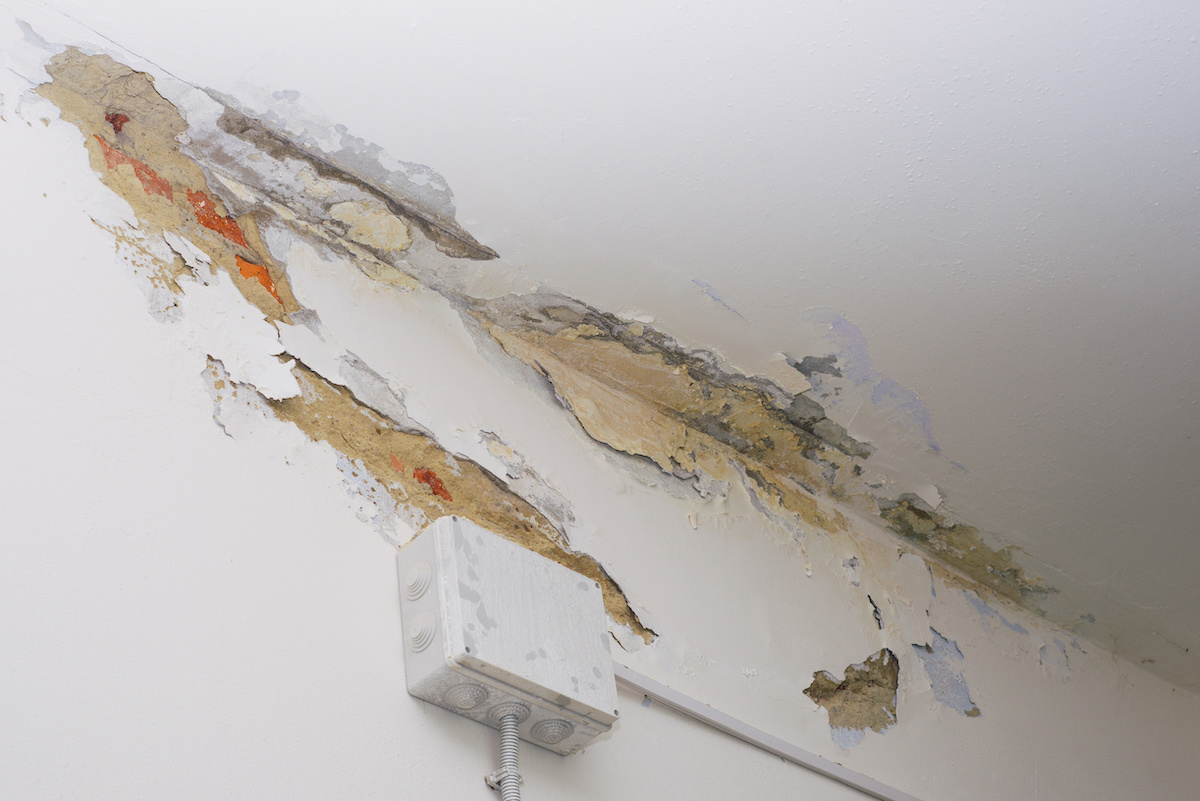
Water damage restoration is one of the most common and destructive issues a homeowner can face. Whether caused by natural disasters, plumbing failures, or accidents, water damage requires immediate attention to prevent long-term problems. This comprehensive guide outlines the crucial steps in water damage restoration and why relying on professionals is essential.
Types of Water Damage
Water damage can be classified into three categories:
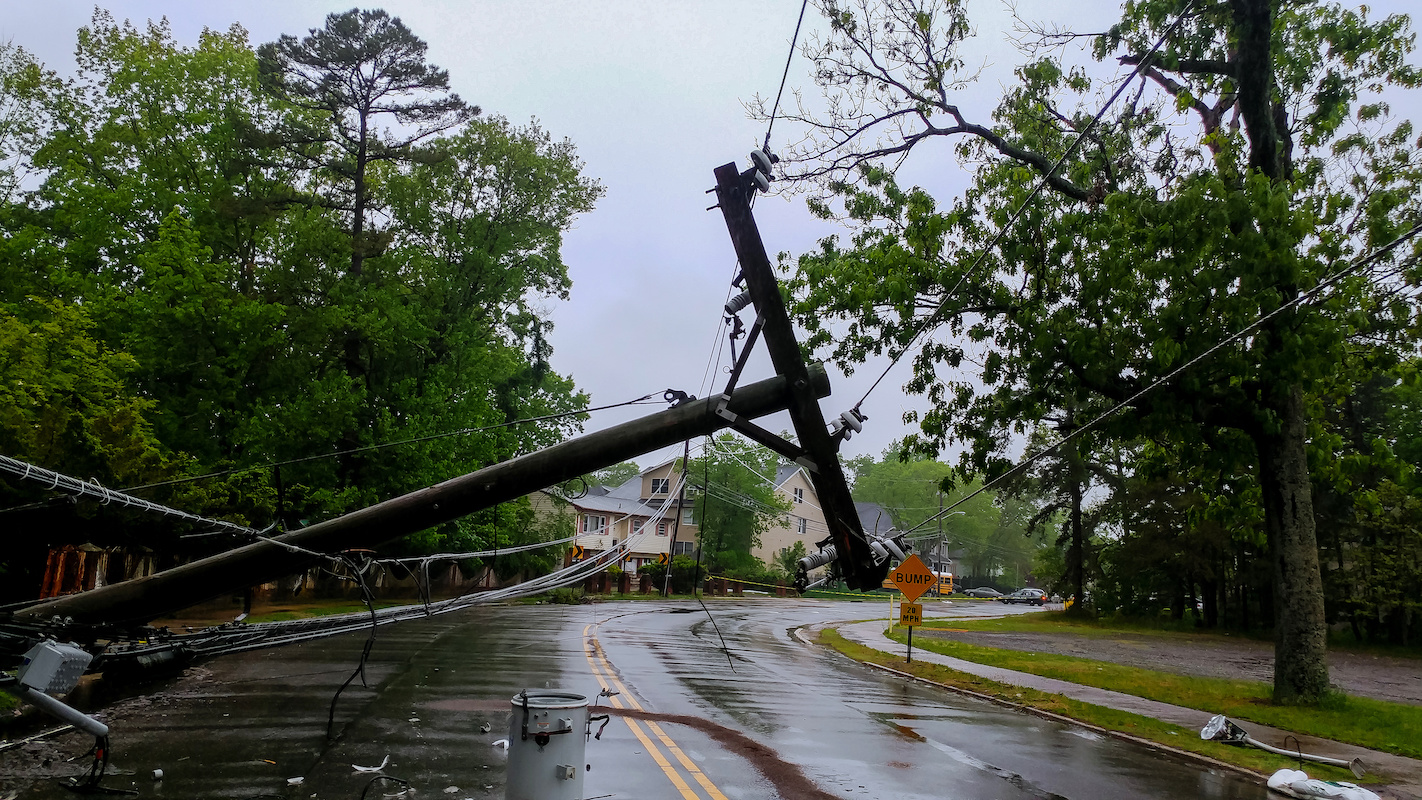
- Clean Water Damage: Caused by broken pipes, overflowing sinks, or rainwater. It poses no immediate health risk.
- Grey Water Damage: Comes from appliances like dishwashers and washing machines, containing some contaminants.
- Black Water Damage: Highly contaminated water from sources like sewage backups or floods. It poses severe health risks.
Immediate Steps to Take
- Ensure Safety: Turn off the electricity and gas supply to avoid accidents.
- Stop the Water Source: Identify and stop the source of water, if possible during water damage restoration.
- Protect Valuables: Move valuables to a safe, dry place.
- Document the Damage: Take photos and videos for insurance purposes.
The Water Damage Restoration Process
Professional water damage restoration involves several critical steps:
- Inspection and Assessment:
- Using moisture detectors, hygrometers, and infrared cameras to assess the extent of damage.
- Water Removal:
- Employing pumps and vacuums to remove standing water. This step is crucial to prevent further damage and mold growth.
- Drying and Dehumidification:
- Using industrial-grade dehumidifiers and air movers to dry the affected areas. Proper drying prevents mold growth and structural damage.
- Cleaning and Sanitizing:
- Cleaning and disinfecting surfaces to remove contaminants and prevent microbial growth. Specialized treatments may be used for carpets and furniture.
- Restoration:
- Repairing or replacing damaged structures and materials. This may include drywall, insulation, flooring, and other components of the property.
Why Professional Help is Crucial

- Expertise: Professionals Water Damage Restoration have the knowledge and experience to handle various water damage scenarios effectively.
- Advanced Equipment: Industrial-grade equipment ensures efficient water removal and drying.
- Preventing Mold: Timely intervention by experts prevents mold growth, which can cause health issues and further damage.
- Insurance Assistance: Professionals can help navigate the insurance claims process, ensuring you receive adequate compensation.
Preventing Future Water Damage
- Regular Maintenance: Inspect plumbing, roof, and appliances regularly to catch issues early.
- Proper Drainage: Ensure proper drainage around your home to prevent water from seeping into the foundation.
- Install Sump Pumps: A reliable sump pump can prevent basement flooding.
Preventing Water Damage in the Future - While it’s impossible to prevent all water-related disasters, there are steps you can take to minimize the risk:
- Regularly Inspect Your Home: Check your home regularly for signs of leaks, especially in areas prone to water damage, such as basements, attics, and around appliances.
- Maintain Your Roof: Ensure your roof is in good condition and address any issues, such as missing shingles or clogged gutters, promptly to prevent leaks.
- Install a Sump Pump: A sump pump can help prevent flooding in your basement by automatically pumping out excess water.
- Seal Cracks and Gaps: Seal any cracks or gaps in your home’s foundation, walls, and windows to prevent water from seeping in during heavy rainfall.
- Monitor Humidity Levels: Use a dehumidifier to keep indoor humidity levels below 60%, especially in areas prone to moisture, such as basements and bathrooms.
The Consequences of Untreated Water Damage
Water damage is not just a cosmetic issue. If left untreated, it can lead to serious and costly problems, including:
Decreased Property Value: Extensive water damage can significantly decrease the value of your home, making it less attractive to potential buyers.
Water damage restoration is a complex process that requires professional expertise to ensure thorough and effective recovery. By understanding the steps involved and the importance of timely intervention, homeowners can better prepare for and respond to water damage incidents. For expert water damage restoration, trust PuroClean Certified Restoration Specialists in Westerville, Ohio, to restore your home to its pre-damage condition swiftly and efficiently.
Mold Growth: Mold can begin to grow within 24-48 hours of water exposure. Once it starts, it spreads rapidly and can cause health problems such as respiratory issues, allergies, and asthma.
Structural Damage: Water can weaken the structural components of your home, including the foundation, walls, and floors. Over time, this can lead to sagging ceilings, warped floors, and even collapse.
Electrical Hazards: Water and electricity are a dangerous combination. If water comes into contact with electrical systems, it can cause short circuits, electrical fires, and electrocution.