Extreme weather can lead to unexpected property damage. Homeowners are often left overwhelmed by the aftermath of severe weather, whether it’s heavy rains, flash flooding, or intense coastal thunderstorms. Another weather event that can threaten your structure—and one that many property owners overlook—is hail.
Hail is a form of solid precipitation that varies in size, density, and fall velocity. Essentially high-velocity ice spheres, hailstones can strike residential and commercial buildings forcefully during severe weather events across the tri-state area. Hail damage often results in costly structural issues, particularly roof system degradation, if not addressed immediately by property restoration professionals.
If your property has recently been affected by hail, delaying repairs can turn minor surface impacts into major structural leaks. To help protect your investment, this guide outlines the specific effects of hail on various roof systems and details the hidden damage left behind after a storm.
Hail Sizes and Roof Vulnerabilities
Hailstones vary significantly in diameter and can cause varying degrees of destruction depending on structural design, wind speed, and building materials.
While asphalt shingle systems possess a degree of flexibility, metal roofing systems often withstand direct structural impacts better without puncturing. However, even metal surfaces can sustain functional seam damage or cosmetic denting under severe impact. Property owners can consult the National Weather Service size guide to estimate the severity of hailstones impacting their structures.
The Effect of Hail Damage on Roof Systems
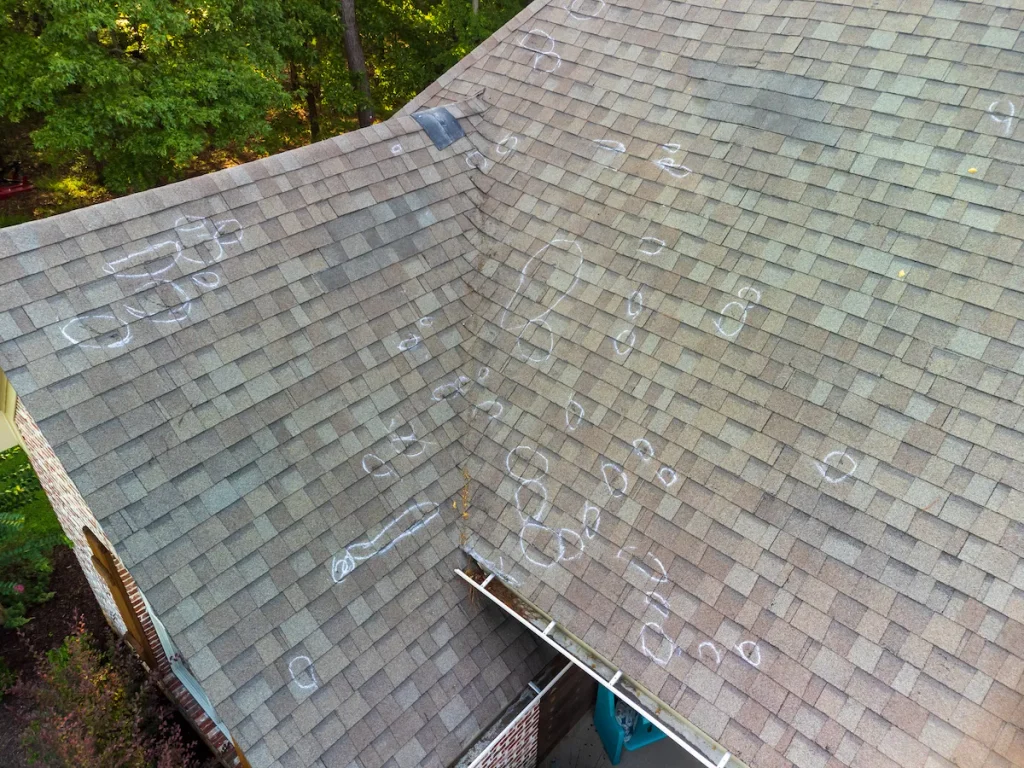
The extent of hail damage depends on several intersecting environmental and structural factors: hailstone diameter, wind speed, wind direction, roof pitch, material age, and existing system integrity. Roof damage caused by hail can quickly compromise a building’s weather-tight envelope, leading to interior water intrusion.
Whether the damage appears minor or widespread, impacts generally fall into distinct categories:
- Granule Loss: Granules form the protective outer layer of asphalt shingles, shielding the underlying petroleum-based asphalt coating from ultraviolet exposure and weathering. When a hailstone strikes a shingle, it displaces these granules, leaving exposed asphalt bare spots that accelerate shingle deterioration. Check gutters, leaders, and downspouts after a storm for accumulated sediment. If heavy granule loss is present, schedule a professional roof inspection immediately to prevent structural water ingress.
- Shingle Fractures and Cracks: High-impact hail creates micro-fractures and thermal shock cracks across shingle surfaces. These fissures allow moisture to penetrate beneath the primary roofing barrier, reaching the decking and interior framing. Fractured shingles are also highly susceptible to wind uplift during subsequent storms.
- Exposed Fiberglass Matting: Severe hail impacts can completely shatter the protective surface of a shingle, causing the asphalt layer to break away from the internal fiberglass mat underneath. Exposed fiberglass substrate is extremely vulnerable to water saturation, fast-tracking catastrophic roof leaks.
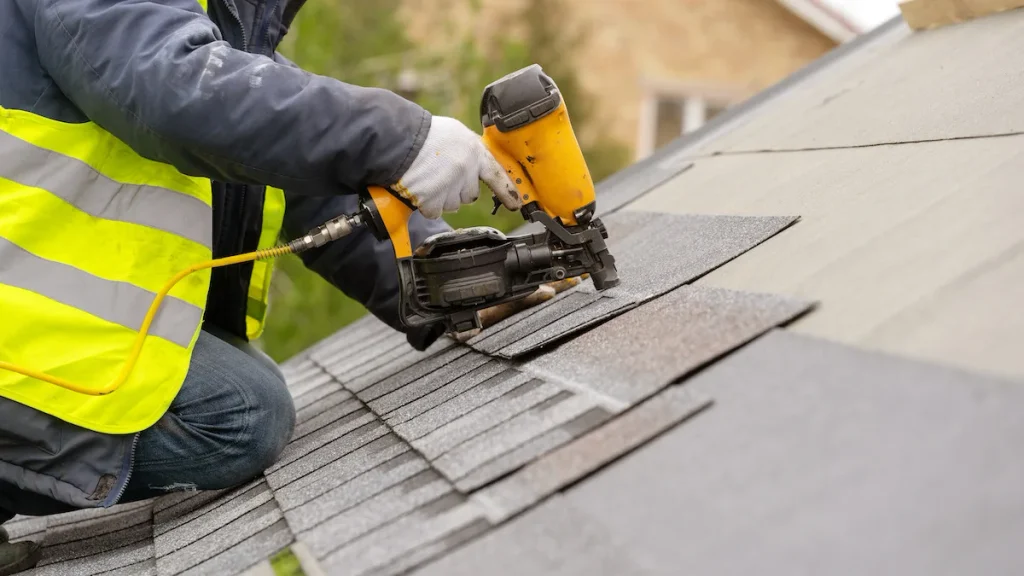
Risks of Neglecting Post-Storm Roof Maintenance
When left unaddressed, minor hail impacts quickly compound into severe structural damage. Unresolved roof breaches lead to secondary property issues, including:
- Subfloor and structural timber rot
- Saturated attic insulation and lost thermal efficiency
- Advanced mold remediation requirements within interstitial spaces
- Compromised electrical conduit and wiring hazards
- Structural ceiling compromise or eventual roof collapse
If immediate permanent repairs cannot be performed right away, prompt emergency tarping and temporary board-up services must be installed over compromised sections to seal the building envelope and protect the interior from secondary water damage.
Navigating Insurance Coverage for Storm Damage

Homeowners and commercial property policies generally cover storm and hail damage, but exact coverage parameters depend heavily on carrier specifications, geographic location, and specific policy endorsements. Certain insurers distinguish between functional damage (compromised water resistance) and cosmetic damage, while others require specific windstorm or hail endorsements.
Most commercial and residential insurance policies stipulate strict timeframes—often within 12 months of the loss event—for filing a claim. Prompt professional inspection and comprehensive photo documentation ensure your insurance claim is filed accurately and within required carrier timelines.
Premier Storm Restoration & Water Damage Cleanup
When severe weather impacts your property, immediate mitigation is essential to preserving structural integrity and preventing secondary mold growth.
PuroClean of Whitestone provides 24/7 emergency storm response, structural drying, water damage restoration, and property recovery services for residential and commercial properties throughout all five boroughs of New York City (Queens, Manhattan, Brooklyn, the Bronx, and Staten Island), Long Island, and neighboring New Jersey.
Our certified restoration technicians utilize advanced moisture detection, thermal imaging, and industrial-grade psychrometric drying equipment to restore your property to pre-loss condition efficiently and thoroughly.
For 24/7 emergency property restoration or post-storm assessment, contact PuroClean of Whitestone today at (718) 878-8008 or reach out through our online service portal.