


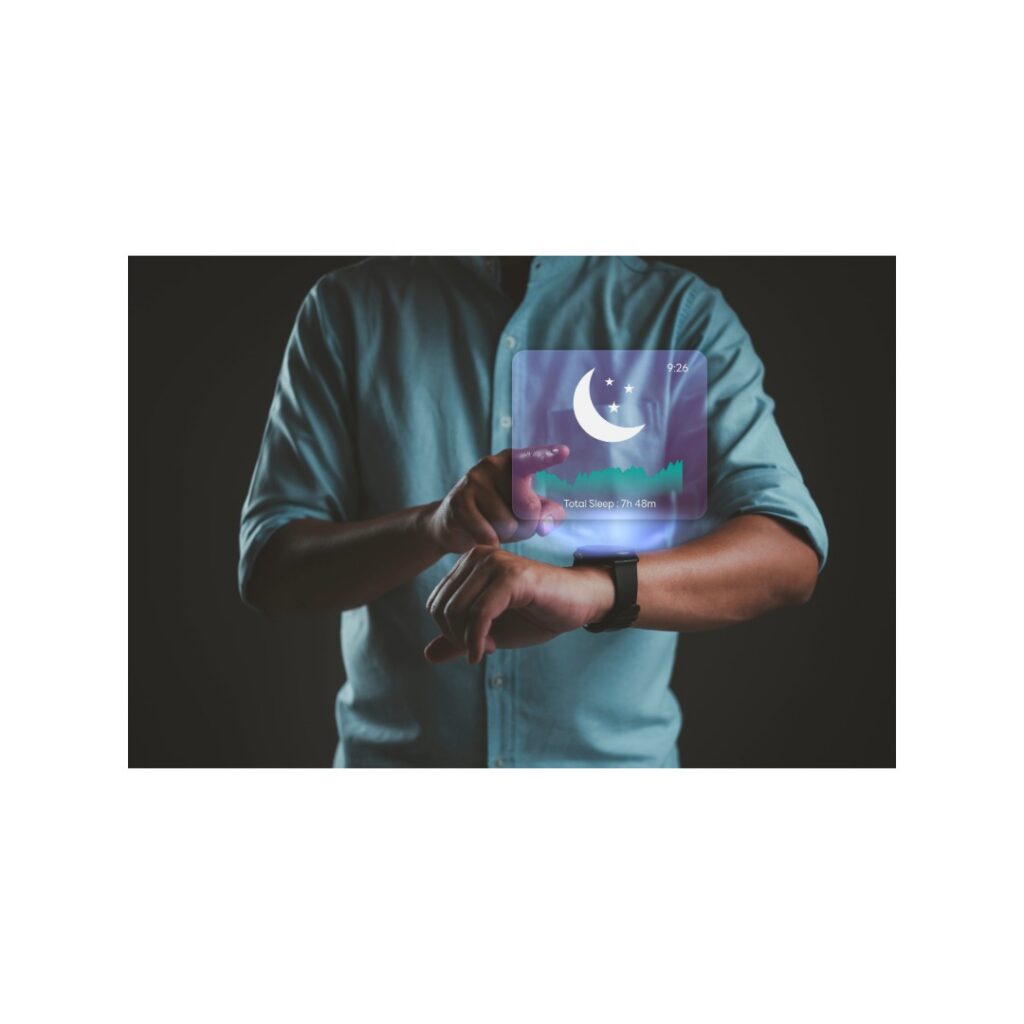
We invest heavily in our health—from custom mattresses and blackout shades to wearable health trackers monitoring our daily Heart Rate Variability (HRV) and deep sleep percentages. Yet, if your home harbors undetected moisture or unbalanced indoor humidity, your body remains in a subtle, perpetual state of physical stress long after you close your eyes.
For residential properties across Whitestone, Flushing, and coastal Queens, local humidity shifts and hidden structural dampness can turn a bedroom into an invisible barrier to recovery.
The Physiology of Sleep & Indoor Moisture
During deep stage-3 non-REM sleep, your body requires a drop in core temperature to initiate cellular repair and brain detoxification. Uncontrolled indoor humidity directly interferes with this biological process:
- Thermoregulatory Stress: High ambient moisture prevents effective evaporative cooling, causing subtle nighttime micro-arousals that kick you out of deep sleep.
- Respiratory Vigilance: Microscopic airborne irritants thriving in damp environments trigger low-grade airway inflammation, increasing mouth-breathing and nighttime restlessness.
- Elevated Baseline Cortisol: Continuous exposure to stagnant air and hidden microbial activity keeps the autonomic nervous system mildly elevated, preventing true parasympathetic (“rest and digest”) dominance.
4 Silent Moisture Hotspots Impacting Bedroom Air Quality
Even in pristine, well-maintained Queens residences, water intrusion often occurs quietly out of sight:
- En-Suite Bathroom Subfloors: Micro-gaps in shower tile grout or bathtub seals allow moisture to pool directly beneath master bedroom floorboards.
- Exterior Wall Cavities: Coastal winds drive moisture through hairline exterior masonry cracks, trapping dampness inside unvented wall voids.
- Overlooked Window Seals: Condensation runoff from double-pane glass seeps into drywall and window framing, creating localized damp spots near your bed.
- Basement & Crawl Space Vapor Drift: Unsealed foundation slabs release ground water vapor that migrates upward through utility cutouts and floor joints.
Creating a Restorative Living Environment
Transforming your home into a sanctuary for cellular recovery requires balancing structure, airflow, and relative humidity:
- Target 40%–50% Relative Humidity: Utilize continuous precision dehumidification to keep moisture in the sweet spot that starves biological growth while protecting respiratory membranes.
- Eliminate Stagnant Zones: Ensure adequate mechanical air circulation behind large furniture and along exterior-facing bedroom walls.
- Identify & Remediate Hidden Intrusion: Use non-invasive diagnostic tools—like infrared thermal cameras and moisture meters—to detect dampness before it affects indoor air quality.
Structural Restoration as the Ultimate Health Investment
True home wellness starts behind the drywall. When structural water damage or hidden dampness is properly dried, contained, and restored according to strict industry standards, your living space ceases to be a source of physical stress—allowing you to wake up truly refreshed.