 PuroClean Emergency Restoration Specialists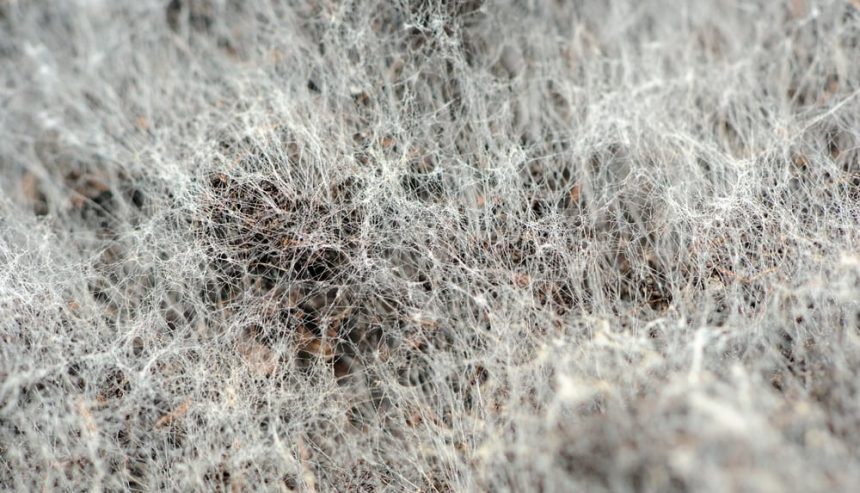
White mold refers to several species of mold that can grow indoors, often appearing in damp or poorly ventilated areas. While it may look harmless at first, white mold can damage your property and pose serious health risks if left untreated. Read on to learn what white mold is, how to identify it, and the potential effects it can have on your health.
What is White Mold?
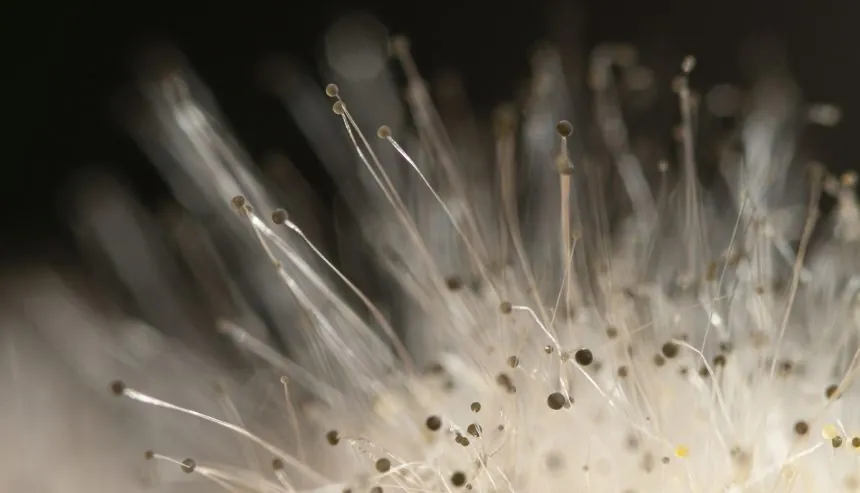
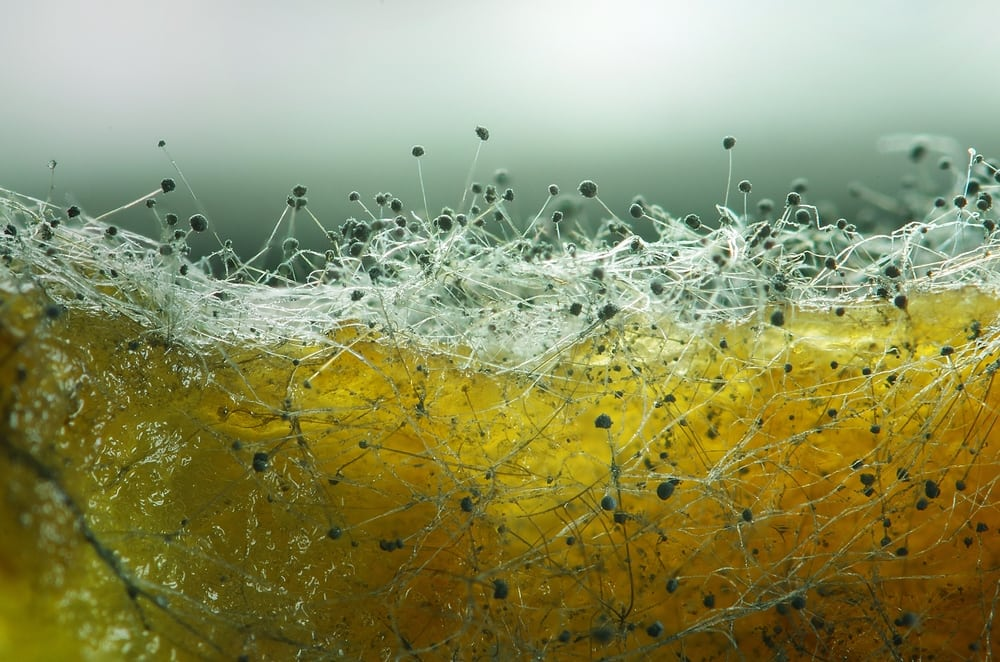
White mold isn’t a single type of mold, it’s a general term for various types of mold that appear white in color. Common species found in homes include Aspergillus, Cladosporium, and Penicillium. These molds don’t always stay white; they can also show up in shades of gray, green, black, or even blue. Like all mold, they thrive in damp environments with organic materials to feed on, such as wood, drywall, or fabric.
In most cases, identifying the exact type of mold growing in your home isn’t necessary, all molds can pose similar risks to your health and property.
Some molds may appear white during their early stages but change color as they mature and begin producing pigmented spores. Others remain white throughout their life cycle, especially if the surface they grow on lacks nutrients that influence pigmentation.
White mold often has a powdery texture and can easily blend in with the material it’s growing on, making it difficult to recognize at first glance. This subtle appearance can cause homeowners to mistake it for dust, efflorescence, or mildew.
White Mold vs. Mildew and Efflorescence
People often confuse white mold with mildew, due to their similar appearances.
While mildew can appear white and powdery, it typically grows only on plant surfaces and does not damage building materials. In contrast, white mold can penetrate porous materials like wood, drywall, or insulation, causing long-term structural damage if left untreated.
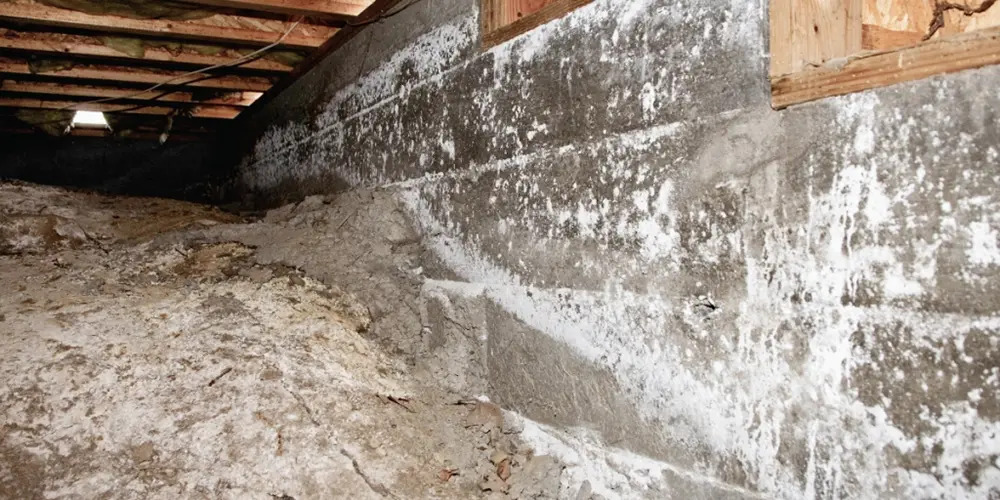
Another common lookalike is efflorescence—a white, powdery, crystalline deposit left behind when water containing salt seeps through concrete, brick, or stone and then evaporates. Although it resembles mold, efflorescence does not grow, spread, or pose any health risks.
To tell the difference between white mold and efflorescence:
- Check the surface: If the substance is on masonry (like concrete or brick), it’s likely efflorescence.
- Test with water: Place a small amount into a drop of water. If it dissolves, it’s salt—not mold.
- Touch test: Rub some between your fingers. Efflorescence will break into a fine powder, while mold tends to feel softer or fuzzy.
If you’re still unsure, it’s best to consult a professional to assess the issue and determine whether mold remediation is necessary.
Is White Mold Dangerous?
All types of mold, including white mold, can cause health problems. It should be removed promptly to prevent both structural damage and health risks. Even less toxic or “milder” molds can still negatively affect your well-being over time.
One of the dangers of white mold is that it’s often mistaken for harmless substances like dust or salt residue, which can lead to prolonged exposure without proper treatment. This extended exposure may trigger a range of health symptoms, including:
- Allergic reactions (sneezing, skin rashes, or runny nose)
- Respiratory issues such as wheezing or persistent coughing
- Eye irritation
- Headaches, dizziness, and nausea
- In some cases, mood-related symptoms like fatigue or depression
If you or a family member begin experiencing any of these symptoms and suspect mold may be the cause, it’s important to consult a healthcare provider. At the same time, arrange for a professional mold inspection and removal to eliminate the source and prevent further exposure.
How to Remove White Mold
Cleaning white mold requires care and attention to avoid spreading spores and causing further contamination. Whether you’re tackling a small patch or addressing a larger infestation, following the right steps is essential for safe and effective remediation. Here’s a detailed guide to help you clean white mold properly:
1. Wear Protective Gear
Before you begin, protect yourself with the proper personal protective equipment (PPE):
- N95 mask or respirator
- Goggles or eye protection
- Rubber gloves
- Disposable coveralls or washable clothing
This gear helps minimize your exposure to airborne spores and mold-related irritants.
2. Isolate the Affected Area
Prevent mold spores from spreading to other parts of your home:
- Close off the area using plastic sheeting or tarps
- Seal doorways, vents, and windows
- Use fans or negative air pressure to direct airflow out of the contaminated space
This step is especially important if you’re dealing with mold in a high-traffic or shared area.
3. Remove and Discard Porous Materials
Mold penetrates porous items like:
- Carpeting
- Upholstery
- Drywall
- Insulation
If these materials are heavily infested, they should be removed and disposed of properly. Always seal contaminated items in heavy-duty plastic bags before disposal. When in doubt, consult a mold remediation professional.
4. Dampen Moldy Surfaces First
Lightly mist the moldy surfaces with water before scrubbing. This helps prevent mold spores from becoming airborne during the cleaning process.
5. Clean Non-Porous Surfaces
For hard, non-porous materials (like tile, glass, metal, and plastic):
- Use a mild detergent mixed with water
- Scrub thoroughly with a stiff brush or sponge
- Rinse with clean water and dry completely
Make sure no moisture is left behind, as damp surfaces can trigger mold regrowth.
6. Use Mold-Specific Cleaners for Porous Surfaces
Porous materials like wood, drywall, or concrete may require a specialized mold cleaner or a DIY solution (like vinegar and water).
- Apply the cleaner following the manufacturer’s instructions
- Scrub thoroughly to remove all visible mold
- Rinse the area and dry it completely using fans or dehumidifiers
Avoid using bleach on porous surfaces, as it may not penetrate deeply enough to kill mold roots.
7. Dispose of Cleaning Materials Safely
After cleaning:
- Discard any used brushes, sponges, rags, or disposable gear
- Place contaminated items in sealed plastic bags
- Dispose of them according to local waste management guidelines
Never reuse cleaning materials that came into contact with mold.
8. Prevent Future Mold Growth
Cleaning is only part of the solution. To prevent white mold from returning, take the following steps:
- Fix leaks and address any moisture problems
- Improve ventilation in damp areas (especially basements, attics, and bathrooms)
- Use a dehumidifier to keep indoor humidity below 50%
- Monitor problem areas regularly and clean up any condensation or dampness immediately
A note of caution: These steps provide general guidelines, and DIY mold removal may not always be a good idea. Based on the severity of the mold infestation and the type of affected surfaces, you may need professional assistance. Consult a mold remediation specialist who can evaluate the problem and offer pertinent advice if the mold is persistent or covers an area larger than three square feet.
For Mold Removal, Call the PuroClean Disaster Remediation Experts!
Are you dealing with a mold problem in your home or property? Don’t let it compromise your health and safety any longer. Take action and trust the experts at PuroClean for effective mold removal and remediation.
Each of our teams across the US and Canada are highly trained and experienced professionals who specialize in handling mold-related issues. They understand the importance of thorough and safe mold removal to restore your property to a clean and healthy environment. Call your local PuroClean today!

 PuroClean Emergency Restoration Specialists