


Returning home after a summer trip should feel calm and familiar. But if a leak, storm, humidity issue, appliance problem, or sump pump failure occurred while no one was home, moisture may have had time to sit unnoticed. In some cases, that can create the right conditions for mold growth.
For Wilton homeowners, this can be especially important during August. Late-summer humidity, heavy rain, wooded properties, finished basements, and closed-up rooms can all make hidden moisture harder to notice right away.
Mold growth is not always obvious at first. It may begin behind walls, under flooring, inside cabinets, around basement materials, or in areas with limited airflow. Knowing the warning signs can help homeowners respond quickly if something feels different after time away.

1. A Musty Odor That Was Not There Before
One of the most common signs of mold growth is a musty or damp smell.
This odor may be strongest in basements, bathrooms, laundry rooms, closets, under sinks, or rooms that were closed while the family was away. Even if there is no visible mold, a musty smell can suggest that moisture is present somewhere nearby.
Homeowners may notice the smell when first opening the door, walking into a lower level, or entering a room that has been closed for several days.
A new musty odor should not be ignored, especially after summer storms, high humidity, or time away from home.
2. New Stains on Walls, Ceilings, or Floors
Mold growth often begins where moisture has affected building materials.
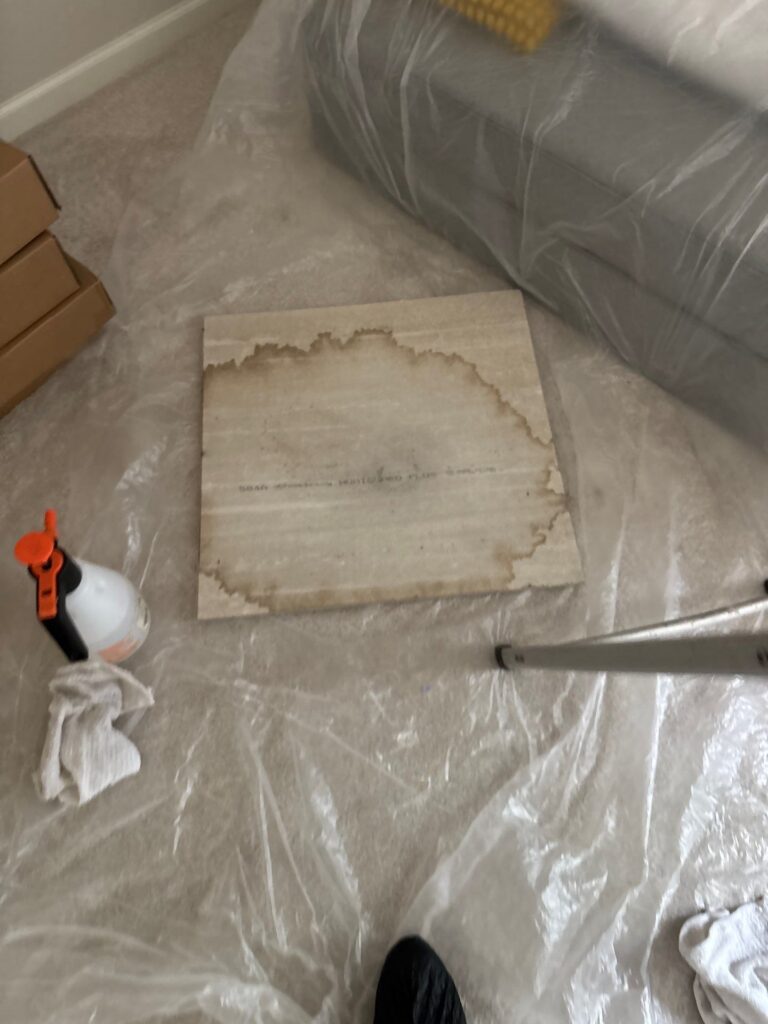
If water entered the home while no one was there, stains may appear on ceilings, walls, baseboards, flooring, or cabinets. These stains may look yellow, brown, gray, green, or dark depending on the material and how long moisture has been present.
Common places to check include:
- Ceiling corners
- Basement walls
- Around windows
- Under sinks
- Behind toilets
- Laundry rooms
- Areas near appliances
- Floors around water heaters
- Finished lower-level spaces
Stains do not always mean mold is present, but they can be a sign that moisture needs to be investigated.
3. Warped, Soft, or Bubbling Materials
Moisture can change the way materials look and feel.
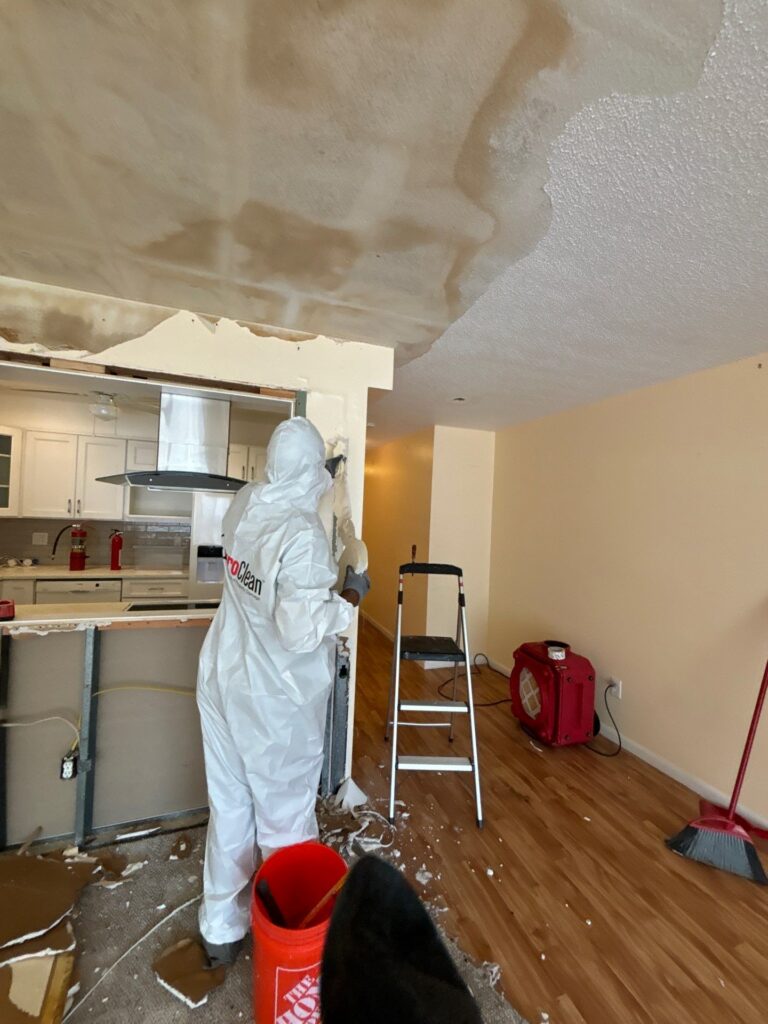
After a home sits empty, homeowners may return to find warped flooring, soft drywall, bubbling paint, peeling wallpaper, swollen trim, or cabinet materials that feel damp or distorted.
These changes may suggest that water was absorbed into the surface. If moisture remains trapped, mold growth may develop in areas that are not immediately visible.
The U.S. Environmental Protection Agency, the federal agency that works to protect human health and the environment, explains that moisture control is the key to mold control. The agency also recommends drying water-damaged areas and items within 24 to 48 hours to help prevent mold growth.
4. Increased Indoor Humidity
Sometimes mold growth begins because the home has been humid, not because there was a major leak.
During August, closed windows, limited airflow, air conditioning issues, and high outdoor humidity can all affect indoor conditions. If the home feels unusually damp, sticky, or heavy when you return, it may be worth checking for hidden moisture.
Signs of high humidity may include:
- Condensation on windows
- Damp-feeling rooms
- Musty odors
- Clammy surfaces
- Moisture in closets
- A heavier feeling in the air
- Basement areas that feel unusually damp
Humidity alone does not confirm mold growth, but it can create conditions where mold is more likely to develop if moisture is present.
5. Visible Spots or Growth on Surfaces
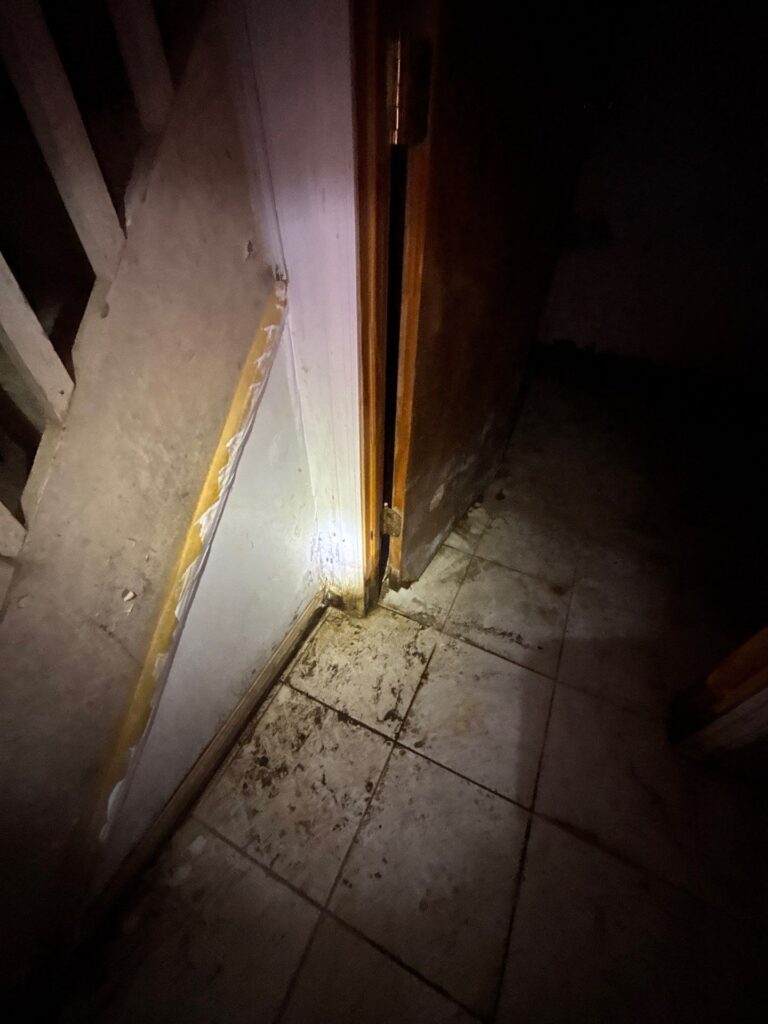
Visible mold may appear as spots, patches, or fuzzy-looking growth.
It can show up on walls, ceilings, wood, fabric, cardboard, furniture, stored belongings, or areas near moisture. However, visible mold is often only part of the issue. If mold appears on the surface, there may also be hidden moisture behind or beneath the affected material.
Homeowners should avoid disturbing suspected mold without understanding the extent of the problem. Scrubbing or moving affected materials may spread particles to other areas of the home.
The Centers for Disease Control and Prevention, a federal public health agency, explains that mold can grow where moisture is present, including around leaks in roofs, windows, pipes, or areas affected by flooding.
Why Mold Growth Can Start While a Home Is Empty
When a home is occupied, people are more likely to notice small problems quickly.
A dripping pipe, appliance leak, stormwater intrusion, sump pump issue, or musty smell might be caught the same day. But when a home is empty, those problems can continue unnoticed. Even a small amount of water can spread into flooring, cabinets, walls, or insulation.
In some cases, mold growth may be connected to a plumbing issue that occurred while the homeowner was away. If a leak, appliance line, water heater, or sump pump issue caused the moisture, Valerio Emergency Plumbing, can help homeowners address the plumbing source before restoration work begins.
What Wilton Homeowners Can Check After Returning Home
After time away, homeowners may want to take a few minutes to inspect areas where moisture problems often begin.
Helpful areas to check include:
- Under sinks
- Around toilets
- Behind washing machines
- Around water heaters
- Basement corners
- Finished lower levels
- Window areas
- Closets
- Ceilings below bathrooms
- Rooms that smell musty
- Areas near HVAC vents
- Storage spaces with cardboard boxes or fabric items
The sooner moisture is found, the easier it may be to prevent additional damage.
Why Acting Quickly Matters
Mold growth is usually connected to moisture, and moisture problems can spread if they are not addressed.
Water may travel behind walls, under floors, inside cabinets, or into insulation before it becomes visible. If the home was empty for several days, homeowners may not know exactly when the problem started.
That timeline matters because materials may have been wet longer than expected. A professional assessment can help determine where moisture traveled, what materials were affected, and whether mold remediation or water damage restoration may be needed.
When to Call PuroClean
If you return home and notice musty odors, visible growth, stains, warped materials, or signs of hidden moisture, it may be best to have the area evaluated.
PuroClean helps Wilton-area homeowners address mold growth, water damage, hidden moisture, and related concerns after leaks, storms, appliance failures, sump pump issues, humidity problems, and other unexpected events. A professional assessment can help determine what areas were affected and what steps may be needed next.
If you suspect mold growth in your home after time away, contact PuroClean of Wilton | Ridgefield. Look us up on linkedin, facebook, instagram, call us on 475.277.2400, or email us at [email protected].