


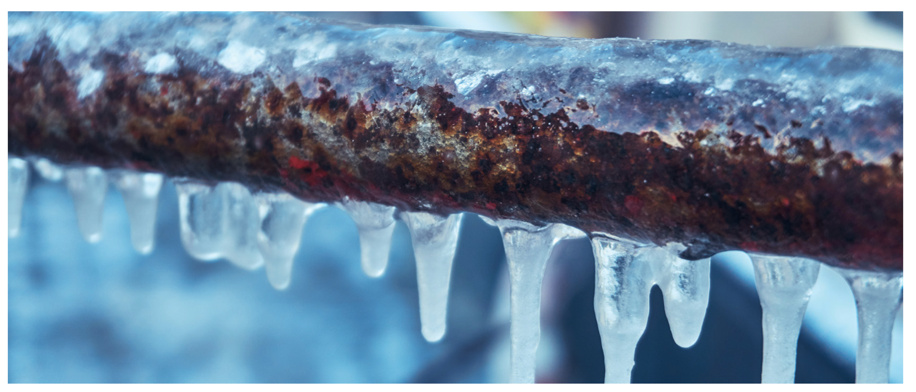
Water bursting through frozen pipes is a common sight in homes during harsh winters in Connecticut. These freezing temperatures often leads to massive damage. You’d be surprised how many calls we get to restore properties affected by water damage from frozen pipes throughout Fairfield County, CT and Westchester County, NY. Check out how pipes freeze and how to prevent pipes from freezing to avoid water damage this season.
Which water pipes can freeze?
The water lines that freeze include outdoor hose bibs, swimming pool supply lines, and water sprinkler lines. Pipes in unheated interior areas, such as basements, crawl spaces, attics, garages, and kitchen cabinets, and those that run against exterior walls with little or no insulation, are also susceptible to freezing. Check your homes or ask an expert to help if you are unable to access these areas easily.
What contributes to frozen pipes?
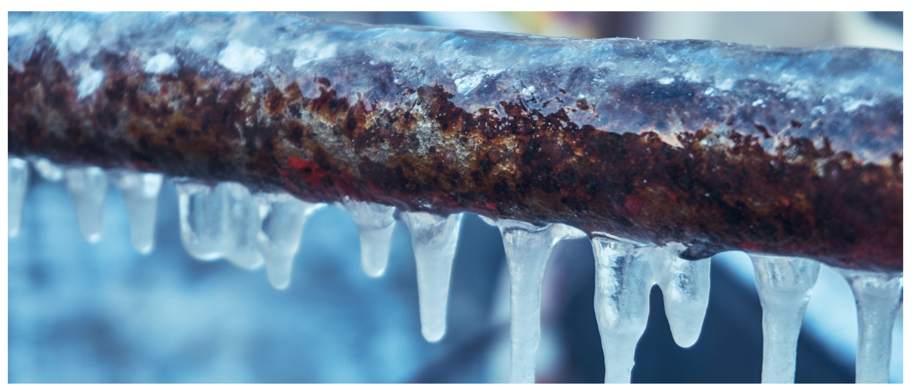
The building construction — Buildings that have a poor design and do not withstand severe weather sufficiently can contribute to their own damage. The type and age of the plumbing system is also a factor. Rust or corrosion weakens pipes, making leaks more likely to occur. When freeze-expansion occurs, corroded pipes will often split open. When thawing begins or when the water is turned back on, damage can occur.
The quality and quantity of insulation—During the renovation of older homes, blown-in or foam insulation is sometimes added to wall cavities between interior and exterior wall surfaces and between studs. This process may actually insulate heat away from pipes next to the exterior wall surfaces, making them more prone to freezing.
The decline in temperature—Pipes can freeze when temperatures drop below freezing, especially in areas of the home that are not properly insulated. Homes in Wilton, Ridgefield, Danbury, and nearby Westchester communities can be vulnerable when pipes run through attics, crawl spaces, exterior walls, garages, or other under-insulated spaces. If the temperature stays below freezing, even for a short period of time, these pipes may freeze, burst, and cause significant water damage.
Power outages — Winter wind, snow, and ice storms frequently damage electric power lines and equipment, resulting in interruptions of electric power. Most heating systems depend on electricity, and when the power goes off, so does the heat. In severe cold weather, this can cause extensive freeze damage before power is restored. While the trees in Bedford, NY and Ridgefield, CT are beautiful they are known locally for causing significant damage in winter storms. This was evident as winter storms Gerri and Heather came through town!
Damage generally occurs when the water supply is turned back on. Since most modern plumbing lines are inside walls, homeowners usually notice a leak only after water has damaged floors, carpet, walls, or ceilings. Occasionally, an occupant hears the sound of spraying water, but by then it may be too late. The leak has already caused some degree of damage.
Frozen water pipes can cause significant water damage, and the repair costs can add up quickly. The following tips can help homeowners in Wilton, Ridgefield, Danbury, and nearby Westchester communities reduce the risk of frozen pipes and water damage during the winter season.
How to Prevent Pipes from Freezing
Empty the water in your swimming pool and water sprinkler supply lines. Refrain from putting antifreeze in these lines whenever possible. Remember that antifreeze is detrimental to the environment, and is hazardous to humans, pets, wildlife, and landscaping.
Empty the water in your plumbing system thoroughly. If water lines droop or bend, there may be low areas that are challenging to empty completely. To be most effective, use compressed air to blow out the lines. If this is not properly done, some amount of water will remain in the low points of the lines that can freeze.
Disconnect, empty, and store outdoor hoses for the season. Shut off the inside valves supplying outdoor hose bibs. Open the outside hose bibs to allow water to drain. Remember to keep the outside valve open so that any water remaining in the pipe can expand without causing the pipe to break.
Check for water supply lines in the unheated areas of your home. Those include the basement, crawl space, attic, garage, and under kitchen and bathroom cabinets. Insulate both hot and cold water pipes in these areas to help prevent freezing. Use specific products for insulating water pipes like a “pipe sleeve” or installing UL-listed heat tape, heat cable, or similar materials on exposed water pipes.
What can you do if a pipe bursts?
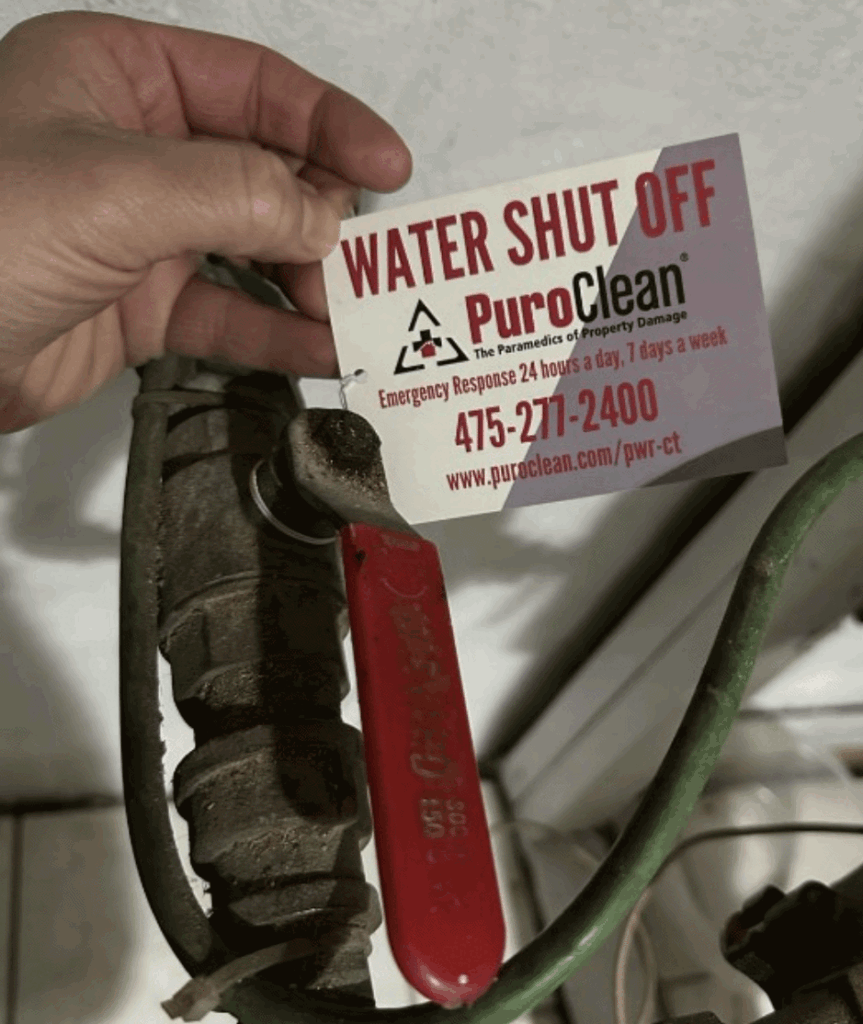
If a pipe bursts, immediately shut off the water at the main valve. Call a plumber and then call PuroClean of Wilton | Ridgefield on emergency line at (475) 277 2400 to evaluate and remediate any water damage that occurred. Our technicians stand ready to provide water damage restoration services to your property 24/7. We serve homeowners throughout the Greater Ridgefield, CT area into Westchester, NY. To read more information check out additional information on Frozen Pipes.