


Allergy triggers can have a serious impact. The Environmental Protection Agency (EPA) estimates that Americans spend approximately 90% of their time indoors, making indoor air quality (IAQ) a critical factor in overall health and well-being. Poor IAQ can lead to various health issues, especially for individuals with asthma or allergies, as many common allergens and asthma triggers are found within homes. To enhance the air quality in your home, consider addressing the following eight factors:
Cockroaches
Cockroaches are more than just a nuisance; they harbor a protein known to trigger allergies and asthma attacks. Their droppings, saliva, and shed body parts can become airborne allergens. To mitigate this issue:
Eliminate Moisture: Cockroaches thrive in moist environments. Repair leaky faucets and pipes, and ensure areas like basements and bathrooms are well-ventilated.
Maintain Cleanliness: Avoid leaving dirty dishes overnight, clean kitchen surfaces regularly, and store food in sealed containers.
Proper Waste Management: Use trash cans with tight-fitting lids and dispose of garbage regularly.eatingwell.com
Pest Control: If infestations persist, consider using roach traps or consulting professional exterminators.
Dust
Household dust often contains dust mites, microscopic creatures that can trigger asthma and allergy symptoms. To reduce dust accumulation:
- Regular Cleaning: Dust surfaces with damp cloths and vacuum carpets and rugs using a vacuum equipped with a HEPA filter.
- Declutter: Minimize items that collect dust, such as knick-knacks and magazines.
- Bedroom Precautions: Remove stuffed animals and unnecessary decor from sleeping areas. Wash bedding, including sheets and pillowcases, in hot water weekly.
Carpeting
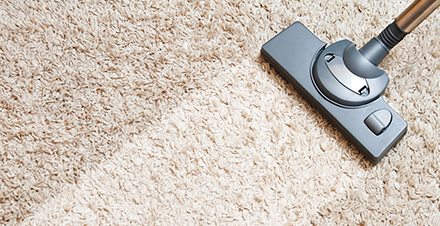
Carpets can trap dust, pet dander, and other allergens, impacting IAQ. To address this:
- Regular Maintenance: Vacuum carpets frequently and consider professional deep cleaning periodically.
- Alternative Flooring: Opt for hard surface flooring like tile or hardwood, which are easier to clean and less likely to harbor allergens.
Furniture
Upholstered furniture can be a reservoir for allergens. To mitigate this:
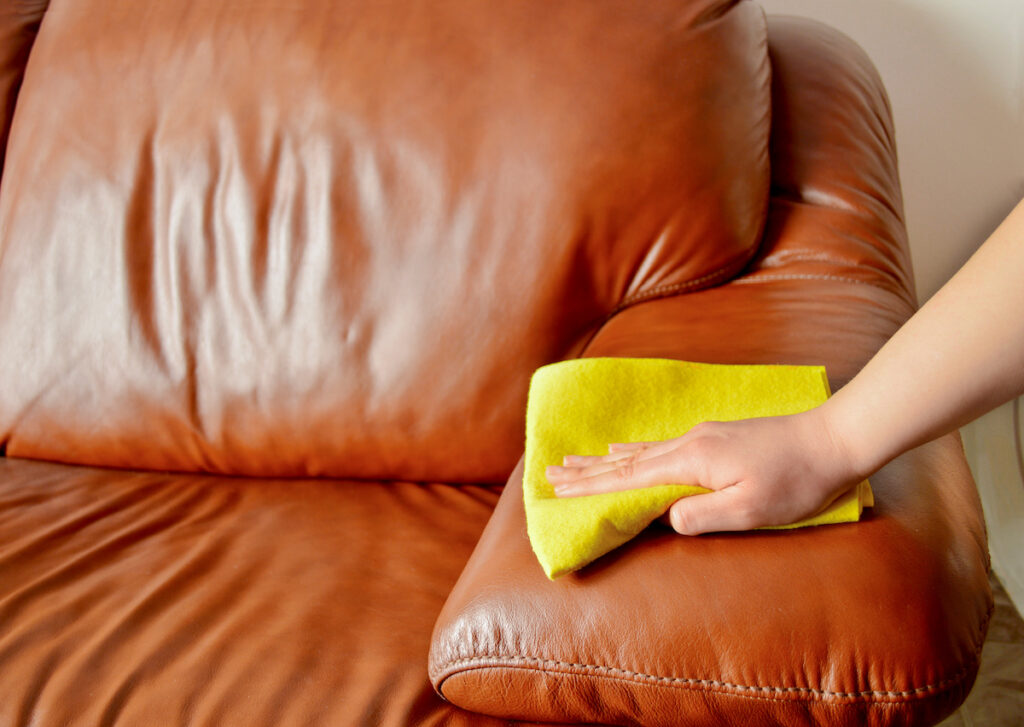
- Choose Wisely: Select furniture made from materials like leather or vinyl that are less likely to collect allergens and are easy to wipe down.
- Regular Cleaning: Vacuum upholstered furniture regularly and consider using washable slipcovers.
Mattresses and Pillows
Bedding can accumulate dust mites and allergens over time. To protect against this:
- Protective Covers: Use allergen-proof covers on mattresses and pillows to create a barrier against dust mites.
- Cleaning Routine: Wash bedding in hot water weekly and replace pillows every few years.
Pets


Pet dander is a common allergen that can exacerbate asthma symptoms. To manage this:
- Pet Hygiene: Bathe and groom pets regularly to reduce dander.
- Restricted Areas: Keep pets out of bedrooms and off upholstered furniture.
- Cleaning: Vacuum frequently and consider using air purifiers with HEPA filters to capture airborne dander.
7. Mold
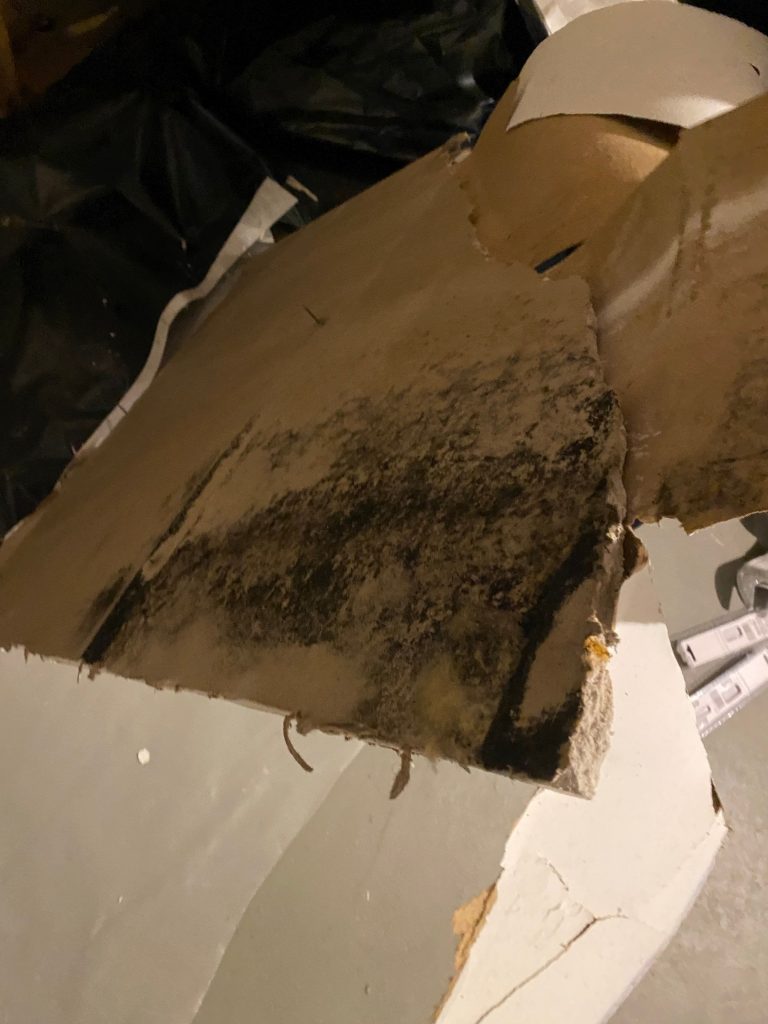
Mold thrives in damp environments and can release spores that negatively impact IAQ. To prevent mold growth:
- Control Humidity: Use dehumidifiers to maintain indoor humidity levels below 50%.
- Address Moisture Issues: Repair leaks promptly and ensure areas like bathrooms and kitchens are well-ventilated.
- Immediate Drying: Dry wet areas within 24-48 hours to prevent mold growth.
However, if mold does appear, PuroClean of Wilton, CT offers professional mold remediation, following industry best practices to thoroughly remove it, address the source, and help prevent future growth, restoring a healthy environment to your property.
Cigarette Smoke
Secondhand smoke contains numerous harmful chemicals that can trigger asthma and other respiratory issues. To maintain a smoke-free environment:
- No Smoking Indoors: Establish a strict no-smoking policy inside the home.
- Designated Areas: If smoking is necessary, designate outdoor areas away from windows and doors.
By proactively addressing these factors, you can significantly improve the indoor air quality of your home, creating a healthier environment for you and your loved ones.
By proactively addressing these factors, you can significantly improve the indoor air quality of your home, creating a healthier environment for you and your loved ones.