


Many Connecticut homes rely on basements for storage, living space, or utilities. During the spring months, those below-ground areas become especially vulnerable to moisture problems.
As snow melts and seasonal storms move through the region, foundation water damage can happen as it absorbs soil in large amounts. When the ground becomes saturated, pressure builds against the basement walls, and water may begin pushing its way inside.
The challenge is that foundation moisture doesn’t always start as a dramatic flood. It often begins with small seepage, higher humidity, or dampness that comes and goes depending on the weather.
Here are six common ways heavy spring rain can trigger foundation-related moisture problems, along with what homeowners can watch for.
Why foundation water damage shows up in spring
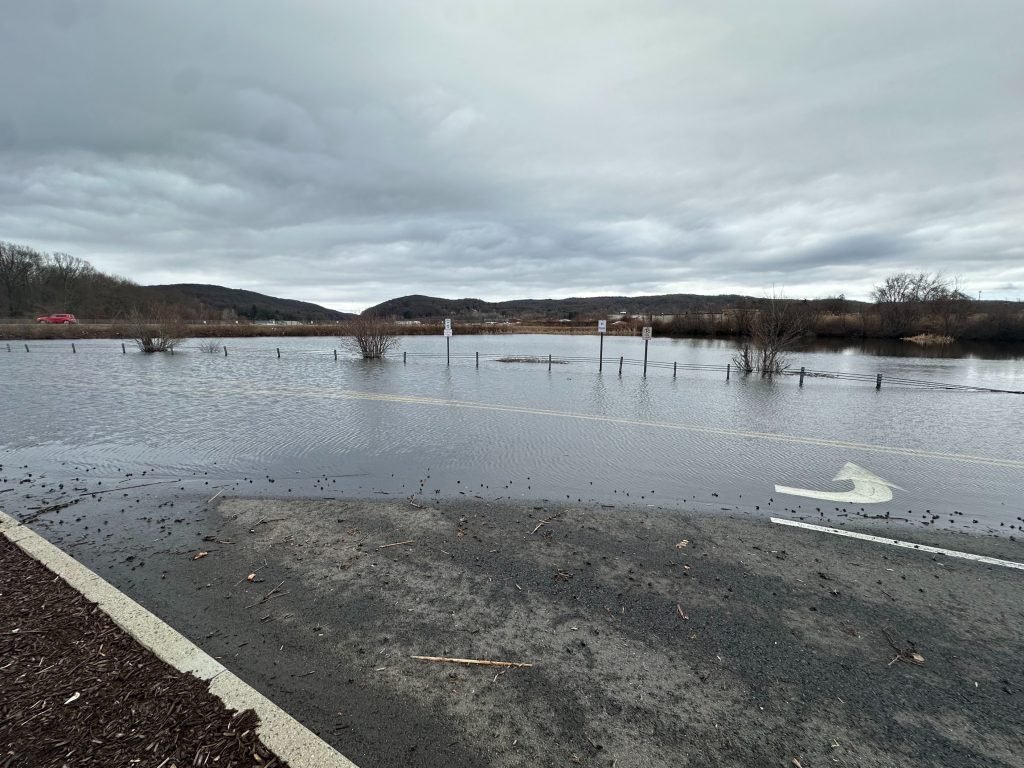
Spring rain hits when the ground is already holding a lot of water. When soil around your home becomes oversaturated, pressure builds against foundation walls. Water will always look for the easiest path—through cracks, gaps, and porous surfaces.
This is why basement moisture often appears after several days of rain, not necessarily the first storm.
1. Hydrostatic pressure and foundation water damage
Hydrostatic pressure is a fancy term for a simple idea: wet ground pushes water against your foundation. When the soil is saturated, it can force moisture through tiny openings.
This kind of foundation water damage often shows up as damp patches near the floor line, small puddles near corners, or walls that feel cool and moist after storms.
2. Gutters overflowing and downspouts dumping water too close
When gutters clog or overflow, roof water lands right next to the foundation—exactly where you don’t want it. Downspouts that empty too close to the house can create the same problem.
A quick homeowner check:
- are gutters clear and flowing?
- do downspouts extend several feet away?
- is water pooling along the foundation after rain?
These small drainage issues are a frequent starter for seasonal basement moisture.
3. Yard grading that slopes toward the home
Water follows gravity. If landscaping slopes toward the house—even slightly—rainwater will collect along the foundation instead of moving away.
This can lead to foundation water damage that looks like recurring dampness in the same area after every heavy rain. Regrading or improving drainage can make a big difference.
4. Window wells and bulkhead areas that fill with water
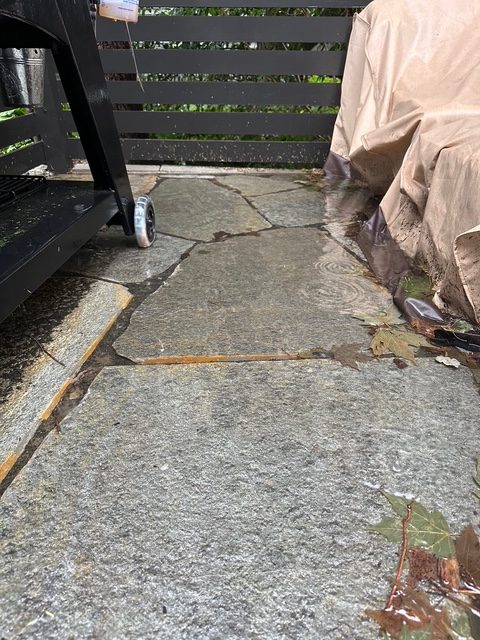
Basement window wells can act like buckets in a storm. If they don’t drain properly, water can rise and seep through window frames or surrounding materials.
Bulkhead doors (common in many Connecticut homes) can also allow water in if seals are worn or the surrounding area pools.
If you notice moisture near basement windows or bulkheads after rain, check outside first—sometimes the fix starts at the exterior.
5. Sump pump or drainage systems that aren’t keeping up
Sump pumps don’t fail often—until the day they’re needed most. Heavy rain plus saturated ground can overwhelm a sump system, especially if the pump hasn’t been tested recently or the discharge line is blocked.
If your basement has a sump pump, it’s worth testing it before storm season ramps up.
6. Small cracks and porous concrete that let moisture seep through
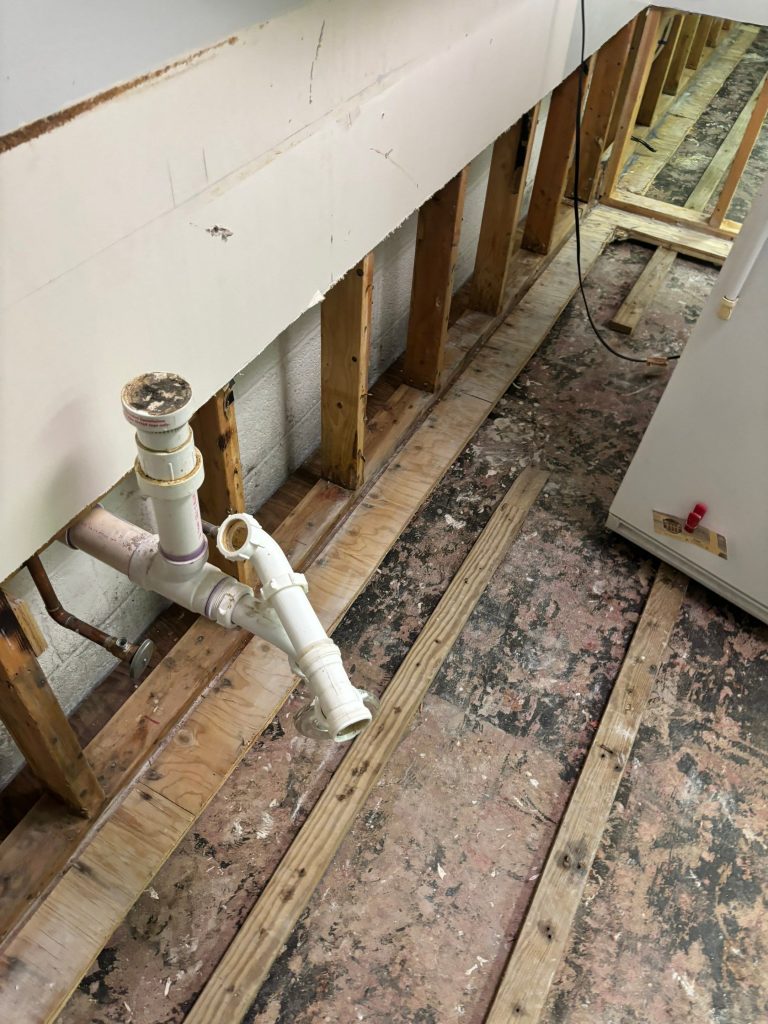
Even “normal” settling can create small cracks. And concrete, while strong, isn’t completely waterproof. Over time, moisture can seep through walls that look solid.
This type of foundation water damage is often subtle at first: a damp smell, a small wet spot, or humidity that rises after rain. It can become more noticeable when storms repeat week after week.
What to do if you spot foundation water damage
If you notice basement moisture after heavy rain, here are practical next steps:
- Document the damp areas (photos + note the date/weather).
- Check gutters, downspouts, and outdoor drainage first.
- Look for repeated patterns (same wall, same corner, same conditions).
- Avoid covering the issue with rugs, boxes, or storage.
- If moisture keeps returning, schedule a professional inspection.
At PuroClean, we help homeowners identify where moisture is entering and how far it has spread—so the solution is based on evidence, not guessing.
Foundation water damage is one of those problems that’s much easier to manage early. If your basement feels “different” after spring rain, it’s worth checking before it becomes a bigger restoration project.
Professional Foundation Water Damage Restoration Services
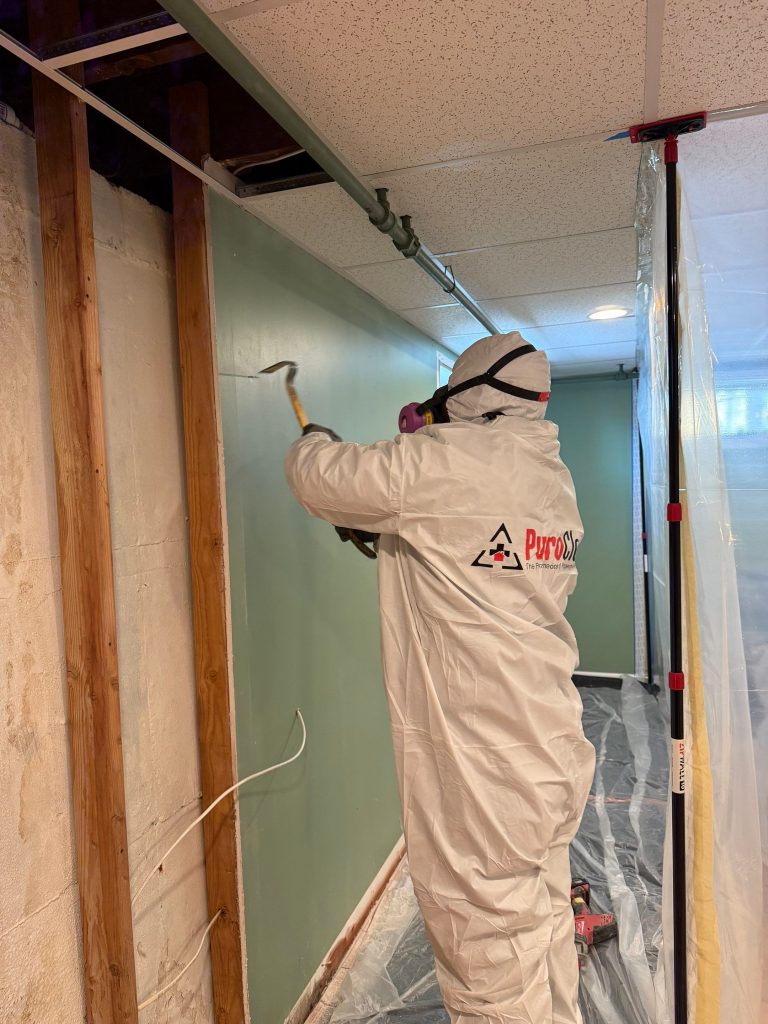
Foundation moisture problems can worsen quickly after heavy spring rain. What begins as minor seepage or damp basement walls can develop into larger structural concerns if water continues entering the home.
Professional restoration specialists can identify the source of foundation water intrusion, remove excess moisture, and help protect your basement and foundation from further damage.
If you’re dealing with foundation water damage or basement moisture in your home, contact PuroClean of Wilton | Ridgefield.
Look us up linkedin, facebook, instagram, call us on 475.277.2400 or email at [email protected].