


Winter in Fairfield County can be intense, especially during extended cold snaps that last for days at a time. In Wilton and Ridgefield, frozen pipes are one of the most common winter emergencies because plumbing often runs through basements, crawl spaces, exterior walls, garages, and under-sink cabinets that don’t stay as warm as the rest of the home.
Homes in this area are particularly vulnerable due to older construction, varied insulation levels, and heating systems that don’t always distribute warmth evenly. When temperatures remain below freezing overnight, plumbing in less-used or poorly insulated areas can be affected before homeowners realize there’s a problem.
If you suspect frozen pipes, quick, calm action can significantly reduce the risk of cracks, bursts, or hidden water damage that may only become visible later. The steps below are designed to help Wilton and Ridgefield homeowners respond safely and confidently, without guesswork.
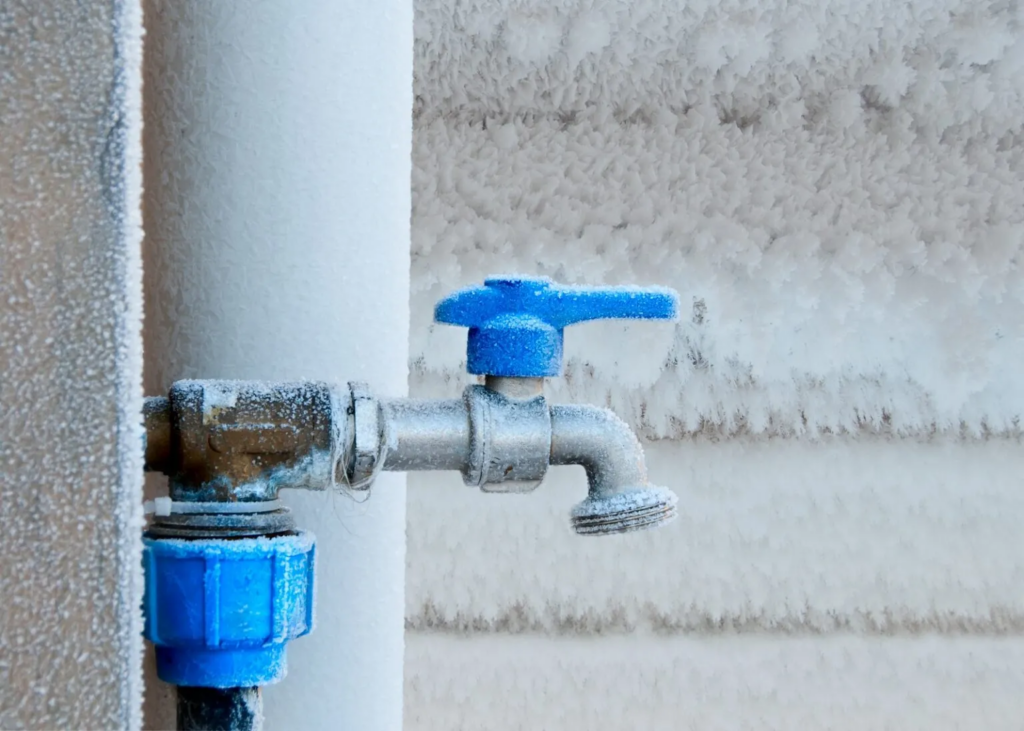
Step 1: Confirm whether frozen pipes are likely
One of the first clues homeowners notice is a sudden change in water flow. Begin by checking multiple fixtures throughout the home, starting on the lowest level and working upward. This helps determine whether the issue is localized or affecting a larger section of plumbing.
Common warning signs include:
- No water coming from one faucet
- Weak pressure isolated to one area
- A slow trickle that doesn’t improve after a minute
If several fixtures are affected at once, the issue may involve a main supply line or plumbing located in a colder section of the home. In Wilton and Ridgefield houses with finished basements or additions, these problem areas are often out of sight.
Step 2: Locate the main water shutoff before thawing
Before attempting to warm anything, take a moment to locate your home’s main water shutoff valve. With frozen pipes, leaks often appear during the thawing process rather than while the pipe is fully frozen. Being prepared to shut off water quickly can prevent a minor issue from becoming a major cleanup.
In many Wilton and Ridgefield homes, shutoff valves are located:
- Near where the water line enters the foundation
- In the basement or utility room
- Near the water heater
If you’re unsure where yours is, this is a good opportunity to identify it and make sure it’s accessible before winter conditions worsen.
Step 3: Leave the affected faucet slightly open
A simple but effective step is to leave the affected faucet slightly open where frozen pipes are suspected. As ice begins to melt inside the line, water needs a place to escape.
Allowing a small amount of flow helps relieve internal pressure, which reduces stress on the pipe walls. This can make a meaningful difference as temperatures fluctuate and thawing begins.
Step 4: Warm the area safely (not with open flame)
When homeowners search for ways to handle this situation, one of the biggest risks is using unsafe heat sources. The goal is to warm the air around the pipe gradually, not to apply intense heat directly.
Safe options include:
- A hair dryer directed toward the surrounding area
- Warm towels wrapped loosely around exposed sections
- A space heater placed at a safe distance to raise ambient temperature
Avoid torches, open flames, or high-heat devices. These can damage pipes and create serious fire hazards, especially in older homes. The American Red Cross provides clear, homeowner-friendly guidance on safe thawing methods.
Step 5: Watch closely for leaks as frozen pipes thaw
Many Wilton and Ridgefield homeowners don’t see damage until frozen pipes begin to thaw. Cracks may have formed while the pipe was frozen, but water often escapes only after flow is restored.
As thawing occurs, check carefully:
- Under kitchen and bathroom sinks
- Behind toilets and vanities
- Basement utility areas
- Ceilings below bathrooms or second-floor plumbing
If you notice dripping, pooling water, or damp materials, shut off the main water supply immediately. Once a compromised pipe opens up, damage can spread quickly through walls, insulation, and flooring.
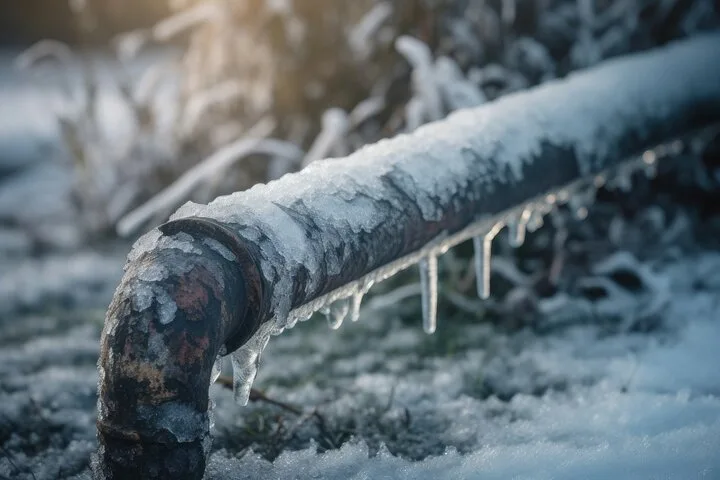
Step 6: If frozen pipes cause water damage, start limiting spread
If frozen pipes have leaked or burst, the priority becomes limiting how far water can travel through the home. Even small amounts of water can move rapidly into hidden spaces.
Practical early steps include:
- Moving rugs and belongings off wet floors if it’s safe
- Blotting or extracting visible surface water
- Opening doors and closets to improve airflow
- Running fans if electricity is not at risk
Step 7: Reduce the risk of frozen pipes happening again
After an incident, many homeowners focus on prevention. For Wilton and Ridgefield homes, the most effective improvements usually involve maintaining consistent temperatures and improving airflow around plumbing.
Helpful habits include:
- Keeping indoor temperatures steady overnight
- Opening cabinet doors under sinks during extreme cold
- Insulating exposed basement or crawl space piping
- Letting faucets drip during severe cold snaps
- Shutting off and draining water lines when traveling
FEMA also provides practical winterizing guidance for homeowners.
Local considerations for Wilton and Ridgefield homes
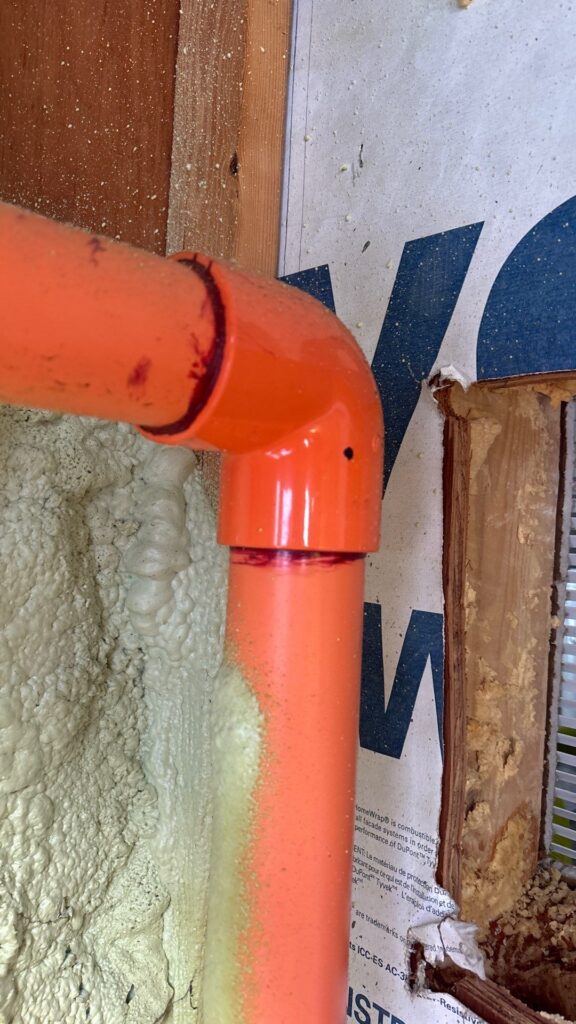
Wilton and Ridgefield homes often feature finished basements, older plumbing routes, and mixed heating setups such as zone heating or supplemental fireplaces. These characteristics can create uneven temperatures throughout the house, leaving certain plumbing areas more vulnerable during prolonged cold periods.
Homes that are partially unoccupied, lightly heated, or used seasonally may face higher risk, especially when cold snaps occur overnight.
Your Local Restoration Partner
When frozen pipes lead to leaks, bursts, or lingering moisture, local experience matters. PuroClean of Wilton | Ridgefield helps homeowners and property managers respond to winter-related water damage with a measured, practical restoration approach based on local housing conditions.
If you experience property damage, contact PuroClean of Wilton | Ridgefield.
Look us up linkedin, facebook, instagram, call us on 475.277.2400 or email at [email protected].