


Many homeowners associate mold with visible dark spots on walls or ceilings. However, mold problems often begin long before anything becomes visible. In many cases, the first warning signs appear through changes in indoor air.
Mold affecting indoor air quality can develop when moisture becomes trapped inside walls, insulation, or building materials. As mold begins to grow, microscopic spores may circulate through the air inside the home.
In communities like Wilton and Ridgefield, where homes often include finished basements, attics, and wooded surroundings, humidity and moisture can create conditions where mold may develop unnoticed.
Recognizing the early signs of mold affecting indoor air quality can help homeowners address potential problems before they spread further.
Here are six warning signs that may indicate mold is already influencing the air inside your home.
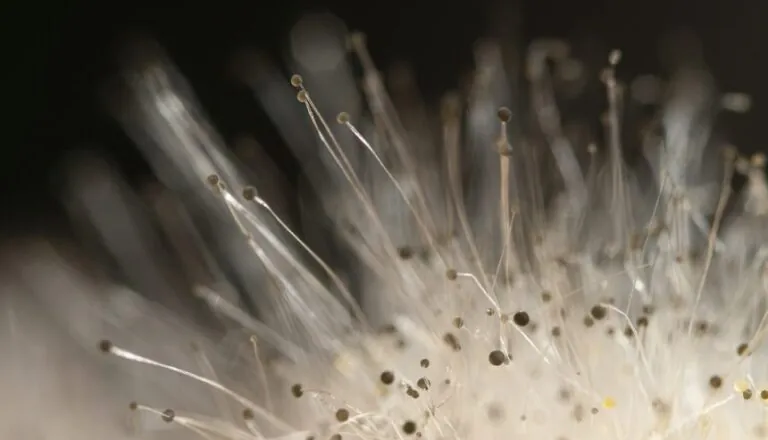
1. A persistent musty smell inside the home
One of the most common indicators of mold affecting indoor air quality is a musty or damp smell that doesn’t seem to go away.
This odor is often described as earthy or similar to the smell of damp leaves. It may appear in specific rooms such as basements, bathrooms, or laundry areas, or it may spread throughout the home through ventilation systems.
Even if mold is not visible, a persistent musty smell often signals that moisture has allowed mold to begin developing somewhere inside the structure.
The Environmental Protection Agency explains that musty odors are often an early sign of hidden mold growth in buildings.

2. Increased allergy symptoms indoors
Another sign of mold affecting indoor air quality may be increased allergy symptoms while inside the home.
Some individuals may experience symptoms such as:
- sneezing
- nasal congestion
- itchy eyes
- coughing
- throat irritation
These symptoms can sometimes worsen in specific rooms where mold growth is present.
While allergies can have many causes, recurring symptoms indoors may suggest that airborne particles, including mold spores, are affecting the indoor environment.
The Centers for Disease Control and Prevention notes that mold exposure may cause respiratory symptoms in some individuals.
3. Condensation appearing on windows or walls
Condensation inside the home often indicates high humidity levels. When moisture collects on windows, pipes, or cool wall surfaces, it may signal that indoor humidity is elevated.
High humidity creates favorable conditions for mold development. Over time, condensation can contribute to mold affecting indoor air quality by allowing spores to grow on surfaces such as drywall, window frames, and insulation.
Maintaining balanced humidity levels can help prevent these conditions from developing.
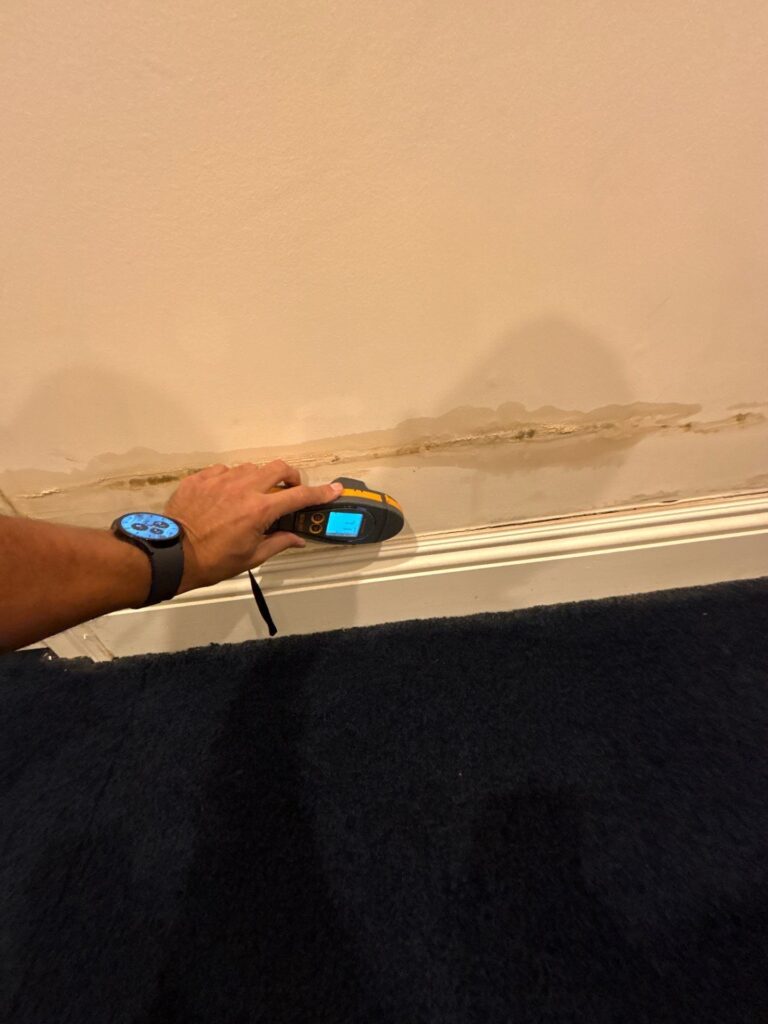
4. Small discoloration spots on walls or ceilings
Another early indicator of mold affecting indoor air quality is the appearance of small discoloration areas on painted surfaces.
These spots may appear gray, green, brown, or black and often begin very small. They may develop near ceiling corners, window frames, or areas where moisture collects.
While small spots may seem minor, they can signal that moisture is already present within the building materials.
Because mold spreads gradually, early detection can prevent larger areas from becoming affected.
5. Damp insulation in attics or basements
Insulation is designed to regulate temperature inside the home, but it can also trap moisture if ventilation is inadequate.
When insulation becomes damp, it creates an environment where mold may begin growing within hidden spaces. As mold develops, it may contribute to mold affecting indoor air quality as spores circulate through air movement inside the home.
Attics and basements are particularly vulnerable to this issue because they often experience temperature changes and limited airflow.

6. Humidity levels consistently above normal
Indoor humidity plays a major role in mold development. When humidity remains high for extended periods, moisture can accumulate inside walls, flooring systems, and ventilation ducts.
The Environmental Protection Agency recommends keeping indoor humidity below 60 percent to help reduce the risk of mold growth.
If humidity levels remain elevated, the likelihood of mold affecting indoor air quality increases, especially in areas where ventilation is limited.
Homeowners can monitor humidity levels using small digital humidity meters available for home use.
Why mold often develops in hidden areas
Mold does not require large amounts of standing water to grow. In many cases, small amounts of trapped moisture are enough to create suitable conditions.
Minor leaks, condensation, or humidity buildup inside walls can allow mold colonies to begin developing in areas homeowners rarely see.
Because mold affecting indoor air quality often begins in hidden spaces, homeowners may notice symptoms before they ever see visible mold growth.
This is why paying attention to changes in smell, humidity, and air quality is important.
Steps homeowners can take to reduce mold risk
Reducing moisture is the most effective way to prevent mold development inside the home.
Homeowners can help protect indoor air quality by:
- running bathroom exhaust fans during and after showers
- using dehumidifiers in basements or damp areas
- repairing plumbing leaks promptly
- improving ventilation in attics and crawl spaces
- monitoring indoor humidity levels
These steps can significantly reduce the conditions that allow mold to grow.
Professional Mold Remediation and Restoration Services
If you notice signs of mold or suspect that moisture may be affecting indoor air quality, addressing the problem early is important. Mold can spread through building materials and may affect both property conditions and indoor comfort.
PuroClean of Wilton | Ridgefield provides professional mold remediation and restoration services designed to safely identify moisture sources, remove mold contamination, and restore indoor environments.
If you experience property damage or suspect mold in your home, contact PuroClean of Wilton | Ridgefield.
Look us up linkedin, facebook, instagram, call us on 475.277.2400 or email at [email protected].