


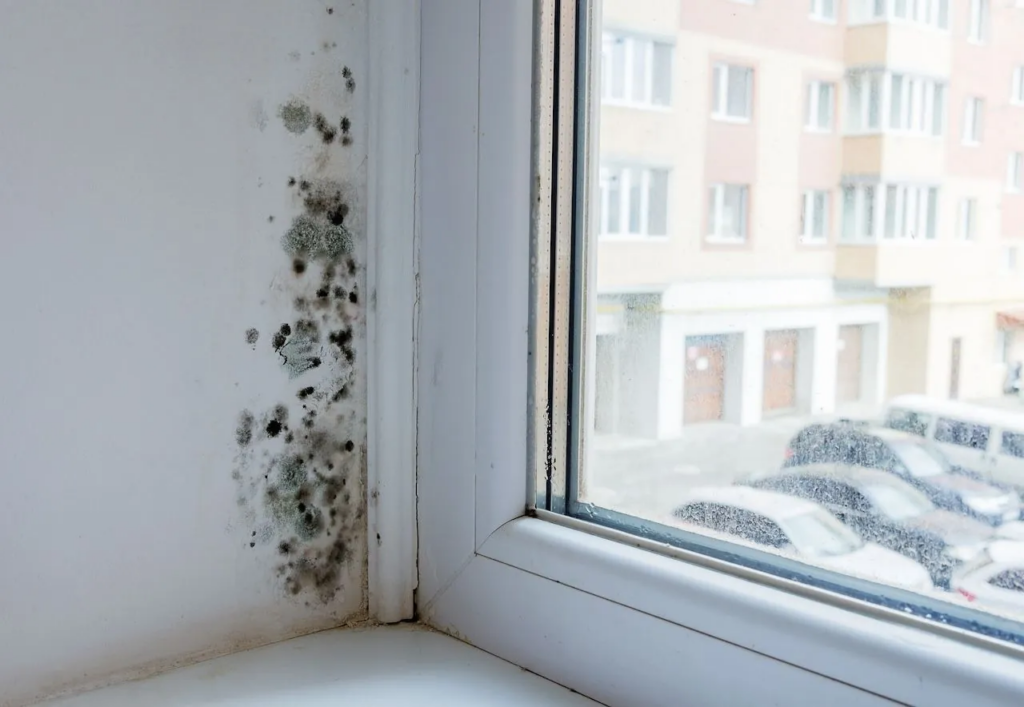
When homeowners think about mold, they usually imagine visible spots on walls, ceilings, or bathroom tiles. However, mold problems often begin long before anything can be seen. In many homes, the first changes happen in the air itself.
Mold spreading through indoor air can occur when microscopic mold spores circulate through ventilation systems, airflow patterns, or humidity changes inside the home. These spores are naturally present in the environment, but when moisture allows mold colonies to grow, they can release spores that move through the air and settle in other areas of the home.
In communities like Wilton and Ridgefield, where homes often include finished basements, attics, and wooded surroundings, moisture conditions can allow mold to develop in hidden places. Once mold begins growing, spores can travel through the home without being immediately visible.
Understanding how mold spreading through indoor air works can help homeowners recognize potential problems earlier.
Here are five ways mold spores can move through indoor air and affect different parts of the home.
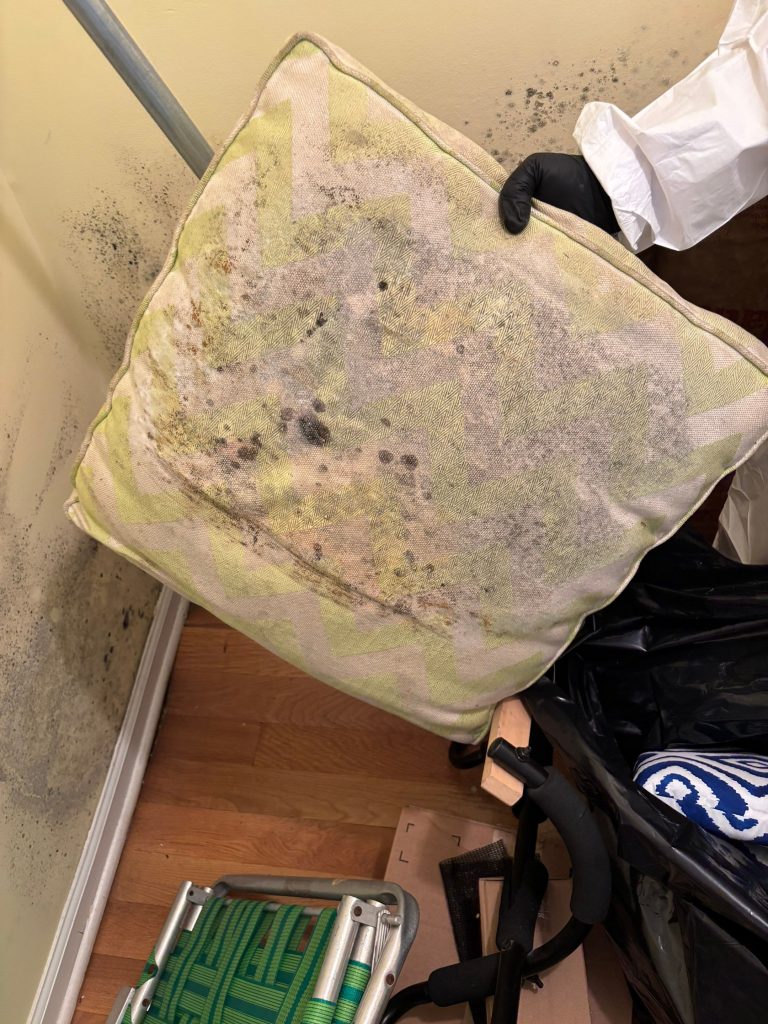
1. HVAC systems circulating mold spores
Heating and cooling systems move air throughout the home every day. While HVAC systems help maintain comfortable temperatures, they can also distribute airborne particles if mold is present in certain areas.
If mold develops inside ductwork, near vents, or within damp insulation near the HVAC system, spores may circulate each time the system runs. This is one of the most common ways mold spreading through indoor air affects multiple rooms at once.
Over time, spores may settle on surfaces throughout the home, particularly in areas where moisture or dust is present.
The Environmental Protection Agency explains that mold spores can travel through indoor air systems and settle in areas where conditions allow them to grow.
2. Air movement between basement and upper floors
Air inside a home constantly moves between different levels. In many houses, basements and lower levels naturally pull air downward while upper floors push air upward through natural pressure differences.
If mold develops in a damp basement or crawl space, mold spreading through indoor air may carry spores upward through stairwells, vents, or small openings in the structure.
This means mold that begins in one area of the home may eventually influence indoor air in other rooms without homeowners realizing where the problem started.
Finished basements and storage areas are particularly important to monitor for moisture.
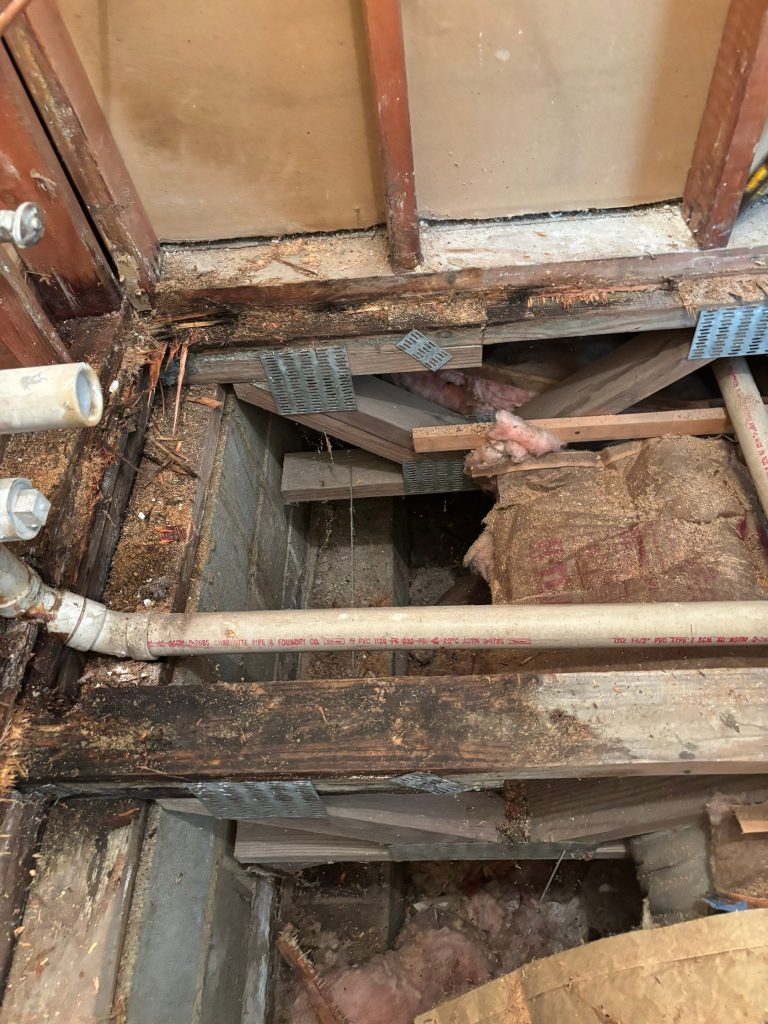
3. Humidity allowing spores to settle and grow
Humidity plays a major role in mold development. When indoor humidity remains high for extended periods, mold spores circulating through the air may settle onto surfaces and begin growing.
Common areas where this occurs include bathrooms, laundry rooms, kitchens, and basements.
Even if spores originate elsewhere in the home, humidity allows mold spreading through indoor air to eventually lead to new mold growth in other locations.
The Centers for Disease Control and Prevention notes that controlling moisture and humidity is one of the most effective ways to prevent mold from growing indoors.
4. Carpets, fabrics, and furniture trapping airborne spores
Soft materials inside the home can trap airborne particles, including mold spores.
Carpets, upholstery, curtains, and even bedding can collect spores as air circulates throughout the house. While this does not automatically lead to mold growth, moisture trapped in these materials may allow spores to begin developing.
When mold spreading through indoor air reaches damp fabrics or carpets, mold may start growing in those materials if humidity levels remain elevated.
Regular cleaning and maintaining proper indoor humidity can help reduce this risk.
5. Small air leaks moving spores between wall cavities
Homes contain many small openings where air moves behind walls and ceilings. Electrical outlets, attic openings, plumbing penetrations, and small construction gaps can allow air to travel through hidden structural spaces.
If mold develops inside wall cavities due to past leaks or moisture buildup, mold spreading through indoor air can move spores through these small air pathways.
Because these areas are rarely visible, homeowners may only notice changes in air quality or odors before discovering the actual source of the problem.

Why mold problems often begin in hidden areas
Mold typically develops in places where moisture and organic materials are present. This can include drywall, wood framing, insulation, and carpeting.
In many homes, these materials are hidden behind walls, beneath flooring, or inside ceilings. When moisture enters these areas through leaks or humidity buildup, mold may begin growing long before it becomes visible.
As mold colonies grow, spores may release into the air and move through the home. This is why mold spreading through indoor air can affect multiple rooms even when the source is hidden.
Professional Water Damage Restoration Services

If you suspect mold growth or notice changes in indoor air quality, addressing the issue early can help prevent further damage. Mold can spread through building materials and may affect both property conditions and indoor air.
PuroClean of Wilton | Ridgefield provides professional mold remediation and restoration services designed to identify moisture sources, remove mold contamination, and restore safe indoor environments.
If you experience property damage or suspect mold in your home, contact PuroClean of Wilton | Ridgefield.
Look us up linkedin, facebook, instagram, call us on 475.277.2400 or email at [email protected].