


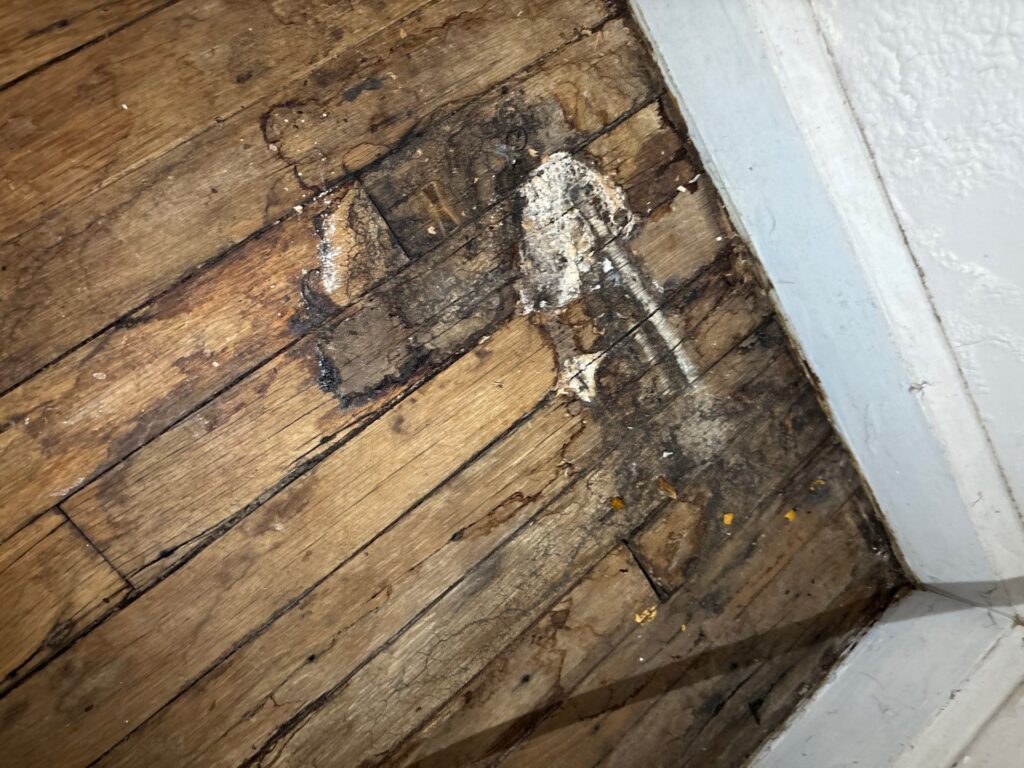
Spring storms often bring heavy rain, strong winds, and saturated ground conditions. While visible flooding is easy to recognize, water damage after spring storms can also develop in less obvious ways.
In many homes, moisture can enter through small openings, collect behind walls, or settle beneath flooring. These issues may not be immediately visible, but over time they can lead to more serious structural and indoor air quality concerns.
Understanding the early signs of water damage after spring storms can help homeowners take action before the problem spreads.
Musty Odors Appearing After Rain
One of the first signs of water damage is often a change in smell.
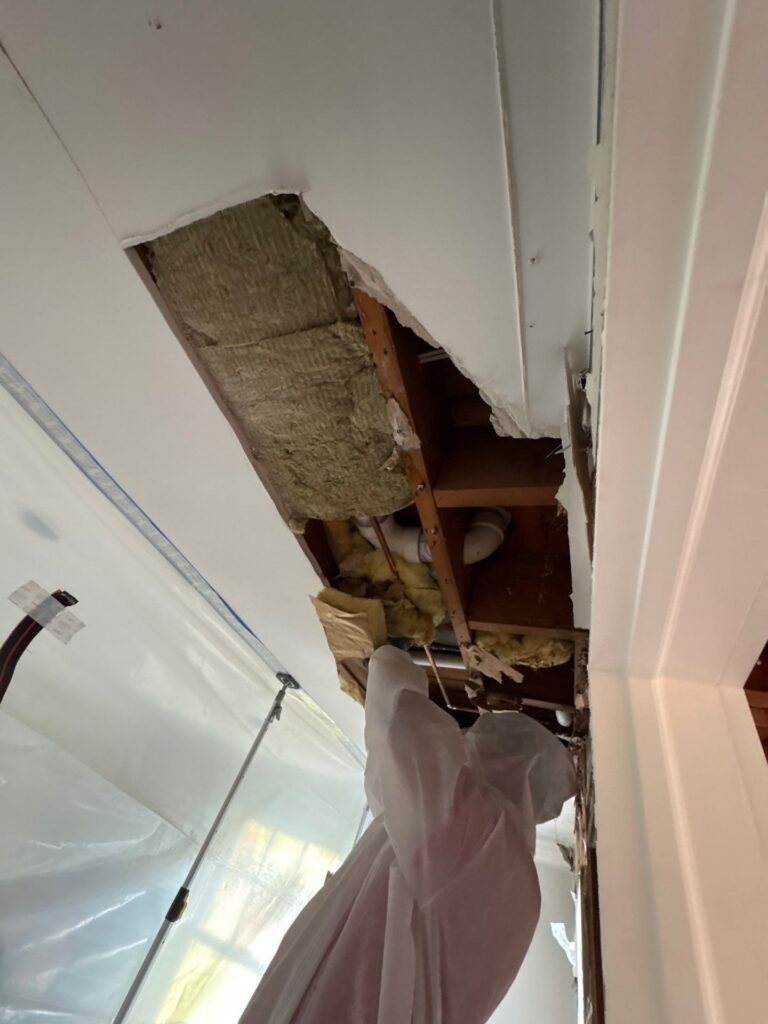
A musty or damp odor—especially in basements, closets, or lower levels of the home—can indicate that moisture is present even if no water is visible. This smell is often associated with damp materials or early mold growth.
If odors appear after storms and do not go away, it may suggest that water damage after spring storms has affected hidden areas of the home.
Stains or Discoloration on Walls and Ceilings
Water damage often leaves behind visible marks.
Yellow, brown, or dark stains on ceilings, walls, or corners can indicate that moisture has entered through the roof, windows, or foundation. These stains may appear days or even weeks after a storm.
Because water can travel along surfaces before settling, the source of the problem may not always be directly above the stain.
In some cases, these stains may also be related to hidden plumbing issues that become more noticeable after heavy rain. Understanding how plumbing systems can be affected during storms can help homeowners determine whether the source is internal or external.
Warped Flooring or Soft Spots
Flooring materials can react quickly to moisture.
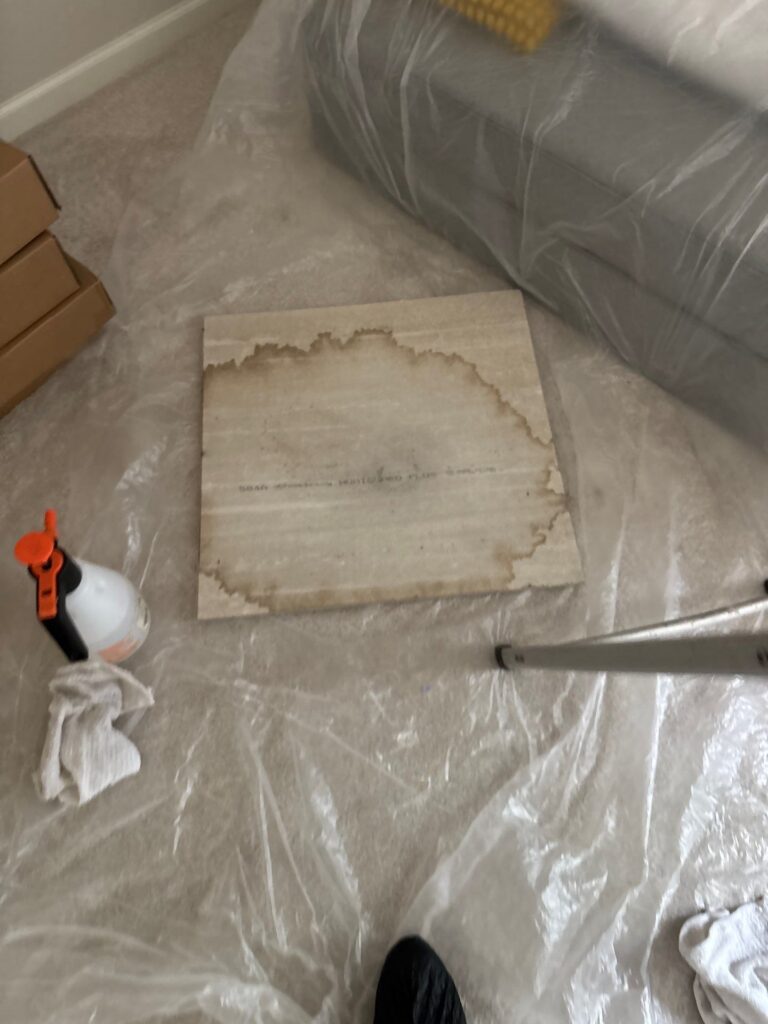
Wood floors may begin to warp or cup, while laminate and vinyl surfaces may lift or separate. Carpeting may feel damp or develop soft spots underneath.
These changes are often signs of water damage after spring storms, especially when water has seeped beneath the surface and become trapped.
Peeling Paint or Bubbling Drywall
Moisture trapped behind walls can cause visible changes over time.
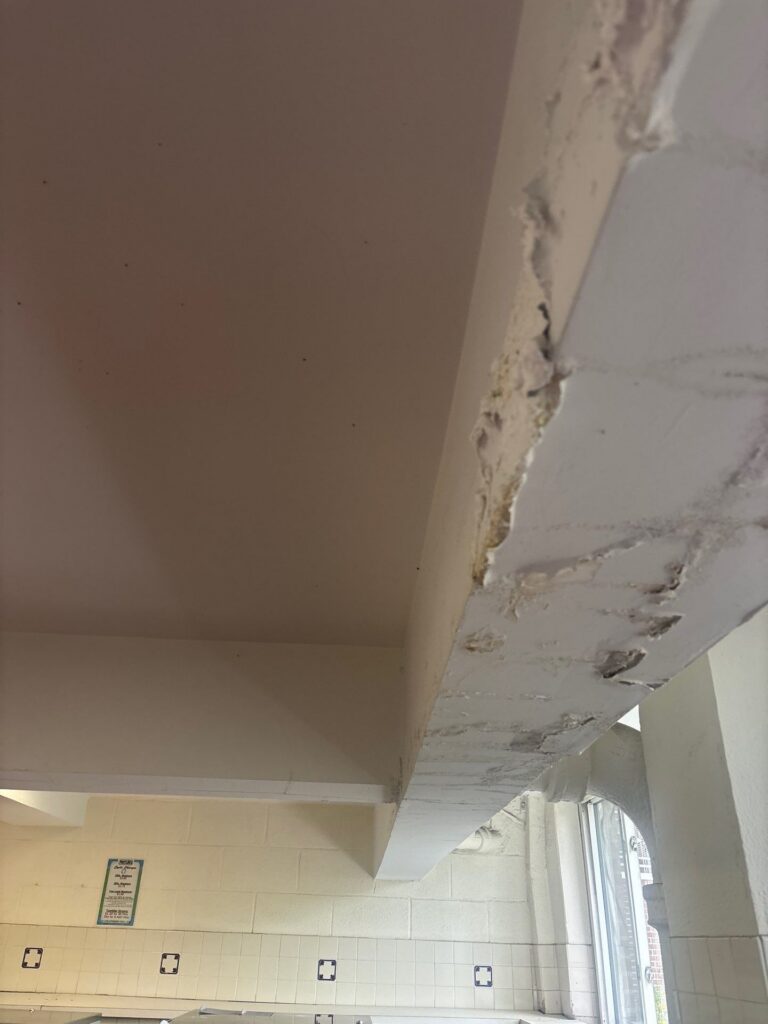
Paint may begin to peel, bubble, or crack. Drywall can swell or feel soft to the touch. These signs often indicate that water has been absorbed into building materials.
Even if the surface appears dry, underlying moisture may still be present and should be evaluated.
Increased Humidity or Condensation Indoors
After a storm, indoor air may feel heavier or more humid than usual.
Excess moisture inside the home can lead to condensation on windows, pipes, or walls. This may indicate that water has entered the structure and is affecting indoor air conditions.
Left unaddressed, this type of water damage after spring storms can contribute to mold growth and ongoing moisture problems.
Why Water Damage After Spring Storms Can Be Hard to Detect
Not all water damage is immediately visible.
In many cases, water enters through small openings and travels behind walls, under flooring, or into insulation. Because of this, damage may develop gradually before becoming noticeable.
By the time visible signs appear, moisture may have already spread to multiple areas of the home.
What Homeowners Can Check After a Storm
After heavy rain, it can be helpful to take a few minutes to check for early signs of water damage.
Look for:
- New or unusual odors
- Stains on ceilings or walls
- Damp or uneven flooring
- Peeling paint or bubbling surfaces
- Changes in indoor humidity
These small changes can often be the first indication of a larger issue.
When to Seek Professional Help
If you notice signs of water damage after spring storms, addressing the issue early can help prevent more extensive repairs.
PuroClean provides professional water damage restoration services, helping homeowners identify moisture sources, remove affected materials, and restore impacted areas safely. Contact PuroClean of Wilton | Ridgefield.
Look us up linkedin, facebook, instagram, call us on 475.277.2400 or email at [email protected].
If you suspect water damage in your home, contacting a restoration professional can help determine the extent of the issue and the next steps.