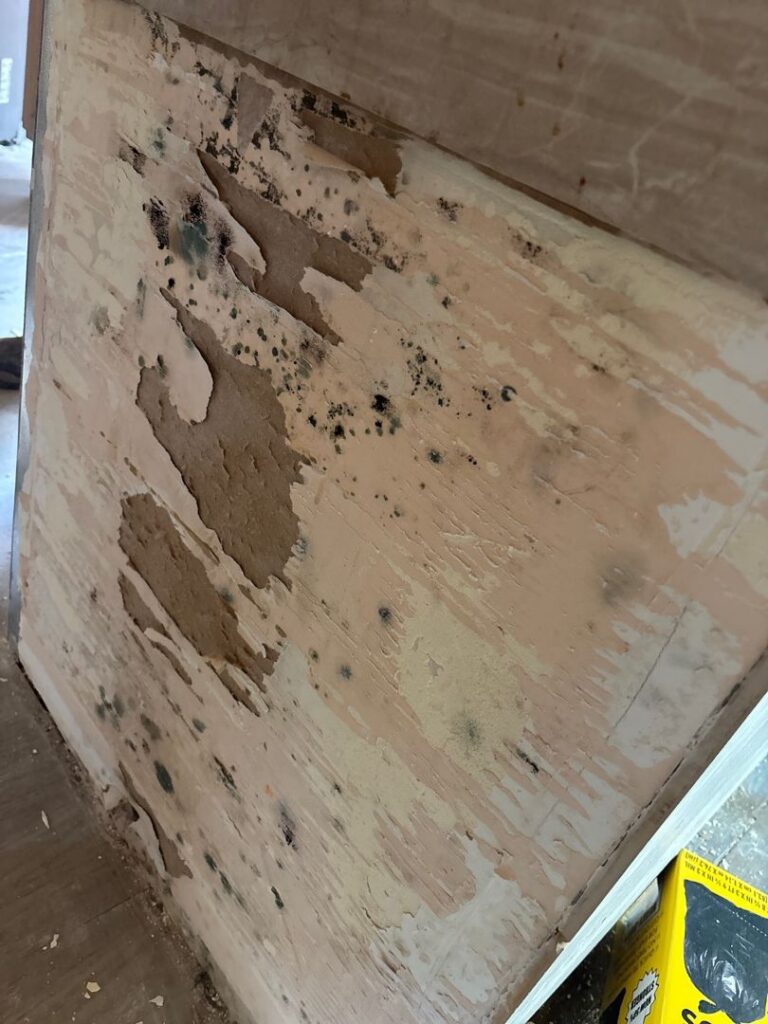
Mold is a silent, destructive hazard. Long before you see visible spots, hidden moisture lets toxic fungal spores colonize your walls, HVAC ducts, and flooring—damaging your property’s structure and compromising your indoor air quality.
Mold from leaks, high humidity, or water damage demands immediate expert restoration. Delaying action allows toxic mold to deeply penetrate structural materials. Timely intervention is critical to protecting your health and maintaining a safe property in Elk Grove Village/Schaumburg.
________________________________________________________________________________________________________________
1. What Makes Mold “Toxic”? Understanding the Real Risk
Not all mold species present identical hazards to structural materials or property interiors, but any uncontrolled indoor mold proliferation poses distinct risks to a building’s overall integrity and environmental quality. The phrase toxic mold danger specifically refers to fungal species—such as Stachybotrys chartarum, along with specific strains of Aspergillus and Penicillium—that produce microscopic chemical compounds known as mycotoxins.
| Mold Type / Classification | Primary Growth Locations | Structural & Environmental Impact |
| Stachybotrys chartarum (Toxic Black Mold) | Gypsum wallboard, cellulose ceiling tiles, paper-faced insulation, subflooring | Requires constant water saturation; produces toxic mycotoxins; breaks down wood and paper fibers. |
| Aspergillus | HVAC ductwork, carpet padding, wallpaper backing, wooden studs | Thrives in low-to-moderate humidity; rapidly degrades interior finish materials through toxic fungal spread. |
| Penicillium | Moist insulation, damp structural timber, padded furniture, textiles | Spreads aggressively through airborne spores; releases persistent musty odors and toxic particulates. |
| Cladosporium | Fiberglass duct boards, window frames, plywood sheathing, cold surfaces | Grows in both warm and cool environments; causes extensive discoloration, decay, and toxic air conditions. |
The Critical Environmental Triggers
Microscopic mold spores naturally circulate through both outdoor and indoor air at all times. However, indoor surfaces remain completely safe and inert until four environmental elements intersect:
- An Abundant Food Source: Cellulose-rich construction materials, including drywall paper, subflooring, wall studs, carpet backing, and fiberglass insulation face paper.
- Uncontrolled Moisture: Liquid water intrusion from broken plumbing, roof leaks, or elevated indoor relative humidity levels exceeding 60%.
- Favorable Temperature Ranges: Typical indoor climate-controlled environments resting between 68°F and 86°F.
- Time: Under optimal moisture and temperature conditions, microscopic spores germinate, anchor hyphal roots into porous materials, and establish visible toxic colonies within 24 to 48 hours.
________________________________________________________________________________________________________________
2. The Hidden Connection: How a House Fire Triggers Silent Mold Growth
Most property owners naturally focus on the immediate, visually dramatic destruction caused by active flames, intense heat, smoke infiltration, and corrosive soot deposition during a house fire. However, one of the most frequently overlooked long-term hazards following a house fire is secondary water damage and the rapid, silent onset of toxic mold contamination throughout the structure.
The Sequence of Post-Fire Moisture Intrusion
- High-Volume Water Application: Emergency responders suppress structural flames using thousands of gallons of high-pressure water. This water saturates multi-story framing, pools inside crawl spaces, penetrates floor systems, and fills interior wall voids.
- Accumulation of Organic Residues: Combustion leaves behind heavy soot deposits, ash, char, and acidic residues across saturated surfaces. These carbon-rich materials provide an immediate, densely concentrated nutrient supply for toxic fungal spores.
- Breached Building Envelope: Thermal structural damage, shattered windows, collapsed roof sections, and compromised exterior walls expose the saturated building interior to surrounding weather conditions and ambient humidity.
- Trapped Heat & Humidity: Residual thermal energy trapped within sealed or poorly ventilated building cavities creates a warm, humid, dark environment—the ideal incubator for toxic fungal germination.
Because extinguishing a house fire involves immense water volumes, structural drying must begin immediately alongside fire damage mitigation. If professional moisture extraction and industrial dehumidification are delayed during early fire recovery efforts, dormant mold spores awaken and colonize saturated wall assemblies within 24 to 48 hours. This rapid fungal growth exponentially compounds the overall destruction and cost associated with the initial property loss.
________________________________________________________________________________________________________________
3. Shocking Causes of Silent Indoor Growth in Elk Grove Village/Schaumburg
While severe events like a house fire or catastrophic municipal flooding create instant, high-volume water saturation, silent indoor mold growth routinely stems from hidden, slow-acting, continuous moisture sources operating completely out of view.
Concealed Plumbing Leaks Within Wall Assemblies
Pinhole pipe corrosion, weeping copper joints, loose drain connections, and slow supply line drips behind drywall or beneath vanity cabinetry release small, steady streams of water for weeks or months without detection. The interior paper backing of the drywall absorbs water continuously while the exterior painted surface conceals the damage. By the time discoloration or paint blistering appears on the outside wall surface, hundreds of square feet of structural framing inside the cavity are often heavily contaminated with toxic growth.
HVAC System & Air Handling Condensation
Central air conditioning systems remove moisture from indoor air during cooling cycles. If condensate drain pans become clogged with debris or condensate pump lines freeze, water overflows directly into the mechanical air handler or surrounding building cavities. Furthermore, uninsulated supply ductwork passing through unconditioned attics or crawl spaces develops excessive condensation. The HVAC blower then forces microscopic toxic fungal spores and moisture vapor directly into every room connected to the ventilation network.
Attic, Roof Sheathing, and Crawl Space Moisture Accumulation
Attics and subfloor crawl spaces are primary hot spots for silent, structural mold proliferation. Warm, moisture-laden air produced by daily indoor activities rises through ceiling penetrations via stack effect, condensing against cold roof sheathing during cooler months. In crawl spaces, bare soil exposes subfloor joists to continuous ground vapor intrusion. Without balanced soffit and ridge ventilation, vapor barriers, or mechanical humidity control, toxic fungal colonies rapidly degrade structural roof rafters and floor supports.
Hydrostatic Pressure and Foundation Water Seepage
Groundwater surrounding a building exerts continuous hydrostatic pressure against concrete foundation walls and basement slabs. Micro-fissures in foundation masonry allow liquid water and moisture vapor to seep into lower-level wall cavities, saturating framing studs, furring strips, subflooring, and carpet underlayment. Because basements often lack natural airflow, toxic mold spreads rapidly behind finished wall paneling.
________________________________________________________________________________________________________________
4. Understanding Structural Science & Moisture Dynamics
To understand how mold spreads silently, it is vital to analyze the physical behavior of moisture inside building envelopes. Water does not simply stay at the point of entry; it travels dynamically through building assemblies via three distinct mechanisms: capillary action, vapor diffusion, and bulk air movement.
Capillary Action in Porous Materials
Building materials such as unsealed concrete, brick, gypsum board, and structural softwood possess microscopic tubular pathways. Through capillary action, these materials actively draw liquid water upward and sideways against gravity. A small puddle on a basement floor can travel feet upward into surrounding drywall, soaking framing studs from the bottom up.
Vapor Pressure Differentials
Moisture naturally moves from areas of high vapor pressure (warm, humid spaces) to areas of low vapor pressure (cooler, dry spaces). During summer months in Elk Grove Village/Schaumburg, humid outdoor air forces vapor through porous exterior cladding into climate-controlled interiors. When this vapor strikes cold, air-conditioned drywall or metal studs, it condenses back into liquid water—providing hidden moisture for toxic fungal spores.
Relative Humidity (RH) Thresholds
Liquid water is not always necessary for mold to colonize indoor environments. Fungi can absorb moisture directly from high-humidity air. When relative humidity levels rise above 60% inside a home or commercial building, surface materials absorb ambient moisture, creating a film of surface water sufficient for spore germination.
________________________________________________________________________________________________________________
5. Why Professional Mold Remediation Is Critical
Attempting to resolve structural mold contamination using retail spray products, surface wipe-downs, or incomplete drying techniques frequently exacerbates property damage. Surface cleaning only removes visible fungal heads while leaving the deeply embedded root structures (hyphae) intact within porous wood and drywall. Professional mold remediation requires strict adherence to industry guidelines, specialized physical containment, and precision engineering controls to restore a safe environment and eliminate toxic environmental hazards.
| Professional Remediation Protocol | Risks of Incomplete / Non-Professional Attempts |
| Physical Isolation & HEPA Containment | Disturbing dry mold colonies releases millions of airborne spores into unaffected living areas and HVAC systems. |
| Negative Air Pressure Controls | Air currents carry microscopic fungal spores throughout the entire structure, expanding contamination boundaries. |
| Thermal Moisture Mapping & Diagnostics | Unfound moisture pockets remain hidden inside wall voids, leading to immediate mold regrowth within days. |
| Controlled Material Removal & HEPA Vacuuming | Leaving contaminated porous materials in place allows fungal hyphae to continue destroying structural wood. |
| Industrial Structural Drying & Antimicrobial Washing | Failing to lower wood moisture content below 15% guarantees recurring toxic fungal outbreaks. |
The Inherent Dangers of Cross-Contamination
When mold colonies are physically disturbed without negative pressure air containment chambers in place, millions of microscopic, lightweight spores launch into the air. These spores travel seamlessly through hallway corridors, open doorways, and central HVAC ductwork, landing on uncontaminated carpets, upholstery, and building materials throughout the property. Professional remediation prevents cross-contamination by creating negative-pressure engineering zones that physically capture airborne particulates using industrial filtration.
________________________________________________________________________________________________________________
6. The PuroClean Professional Restoration Process
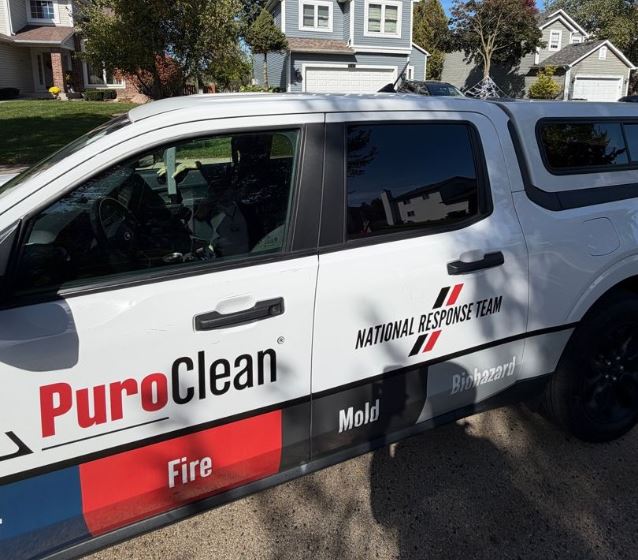
At PuroClean of Elk Grove Village/Schaumburg, we follow comprehensive, standardized restoration workflows designed to locate hidden water sources, contain active mold growth, eliminate hazardous spores, and completely dry structural framing. Whether resolving fungal issues caused by a slow plumbing leak or addressing complex secondary moisture damage, our certified technicians respond with industry-leading technology and precision.
Step 1: Comprehensive Inspection & Moisture Mapping
Our certified specialists conduct a thorough visual and diagnostic assessment of the affected property. Utilizing non-invasive FLIR infrared thermal imaging cameras and electronic moisture meters, we map exact moisture boundaries behind drywall, under subfloors, and within ceiling voids without unnecessary demolition.
Step 2: Negative Air Pressure Containment Setup
To protect unaffected living and working spaces, technicians construct physical plastic containment barriers sealed with zip-doors around the work zone. High-capacity negative air machines equipped with HEPA filtration continuously exhaust air outdoors, creating a vacuum that prevents microscopic spores from escaping.
Step 3: Precision Moisture Extraction & Industrial Drying
Before mold remediation can be successfully completed, the active water source must be permanently resolved and all saturated building materials dried. PuroClean employs commercial-grade LGR (Low Grain Refrigerant) dehumidifiers and high-velocity axial air movers to draw trapped moisture out of deep structural timbers, concrete slabs, and subflooring.
Step 4: HEPA Air Scrubbing & Surface Remediation
PuroClean technicians utilize HEPA air scrubbers that process room air continuously, capturing 99.97% of airborne particles down to 0.3 microns. Non-restorable porous materials saturated by mold are meticulously removed under containment, while salvageable structural surfaces are thoroughly HEPA-vacuumed, damp-wiped, and treated with EPA-registered antimicrobial solutions.
Step 5: Final Clearance Testing & Complete Property Restoration
Once physical cleaning and structural drying are finished, post-remediation clearance air testing verifies that spore counts inside the containment zone match or drop below normal ambient outdoor levels. Our team then coordinates necessary structural repairs to return your property to a clean, safe, pre-loss condition.
Advanced Diagnostic & Structural Drying Technology
- Infrared Thermal Cameras: Detect minute temperature anomalies caused by evaporative cooling from hidden moisture pockets.
- Pin and Pinless Moisture Meters: Provide precise quantitative measurements of wood moisture content (WMC) and drywall moisture levels.
- HEPA Air Scrubbers & Negative Air Exhausters: Filter contaminated air volumes multiple times per hour, trapping fine fungal dust and soot particles.
- Low Grain Refrigerant (LGR) Dehumidifiers: Maintain low relative humidity environments necessary to extract deeply embedded moisture from high-density materials.
When facing silent fungal contamination or catastrophic disaster recovery, rely on the certified restoration professionals at PuroClean of Elk Grove Village/Schaumburg. To schedule a professional property evaluation or learn more about our certified remediation protocols, visit our main website to learn more about our professional mold services.
________________________________________________________________________________________________________________
Frequently Asked Questions About Mold Remediation
How quickly does mold begin to grow after water damage occurs?
Mold spores begin to germinate and form hyphal networks within 24 to 48 hours following exposure to moisture. Immediate professional water extraction and structural dehumidification are essential to prevent widespread contamination.
Can mold grow inside wall cavities without showing surface stains?
Yes. Mold frequently colonizes the dark interior faces of drywall, insulation batts, and wood framing studs where moisture from hidden plumbing leaks or HVAC condensation accumulates. Persistent musty odors, high indoor relative humidity, or unexplained respiratory irritation are often the primary indicators of hidden growth.
How do restoration professionals locate water damage behind building surfaces?
Restoration experts use non-destructive diagnostic tools, including infrared thermal imaging cameras to identify temperature shifts caused by moisture, combined with pinless moisture meters to measure exact moisture percentages inside building materials.
________________________________________________________________________________________________________________
Contact PuroClean of Elk Grove Village/Schaumburg for Emergency Property Restoration
Property damage requires rapid, certified, professional response. Whether you are dealing with hidden moisture, structural mold growth, or secondary water damage, PuroClean of Elk Grove Village/Schaumburg is ready 24/7 to restore your property safely, thoroughly, and efficiently.
- Call Our Emergency Line Today: (630) 477-9120
- Find Our Local Office: Visit our Google Business Profile for reviews, directions, and hours
- Explore Our Complete Services: learn more about our full restoration services