


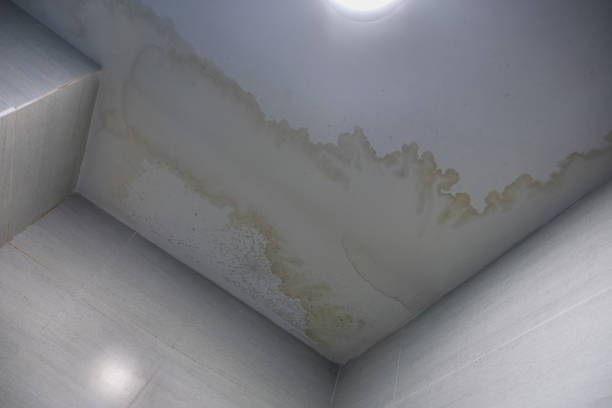
When summer hits, most of us are thinking about sunshine, barbecues, and family vacations—not about what might be lurking above our heads. Unfortunately, the hot and humid months create the perfect conditions for one of the biggest hidden threats inside your home: mold. And when mold spreads in your ceiling, it’s not just a cosmetic problem—it’s a sign of potential water damage, poor ventilation, or hidden leaks.
Ceiling mold doesn’t just look unsightly. It can also compromise your indoor air quality, trigger health issues, and point to underlying problems that need immediate attention. Understanding why ceiling mold thrives in the summer—and how to stop it—is key to keeping your home safe, healthy, and protected.
Why Mold Loves the Summer Months
Mold is sneaky, and summer gives it exactly what it needs to grow:
- Heat: Most molds thrive in warm environments, making summer the ideal season.
- Humidity: High moisture in the air can seep into porous building materials like drywall and ceiling tiles.
- Condensation: Air conditioning often creates cool surfaces that clash with warm air, causing moisture buildup on ceilings and ductwork.
Combine these factors with a hidden roof leak or poor attic ventilation, and your ceiling becomes the perfect breeding ground for mold.
The Risks of Ceiling Mold in Your Home
A small patch of discoloration may not seem like a big deal, but ceiling mold carries serious risks:
1. Health Concerns
Ceiling mold spores can circulate through your HVAC system, spreading into the air you breathe. For sensitive individuals, mold exposure may cause:
- Allergies and respiratory irritation
- Headaches and fatigue
- Aggravated asthma symptoms
2. Structural Damage
Mold doesn’t just sit on the surface. Over time, it can penetrate building materials like wood beams, insulation, or drywall, weakening the structure of your ceiling.
3. Hidden Problems
Ceiling mold often signals larger issues, like a leaky roof, burst pipe, or attic moisture. Ignoring it could mean bigger—and more expensive—repairs later on.
Common Causes of Ceiling Mold in Summer
So how does mold actually end up in your ceiling during the summer? Some of the most common culprits include:
- Roof Leaks: Heavy summer storms can cause roof damage, allowing water to seep in.
- Attic Moisture: Poor ventilation traps heat and humidity, creating the perfect mold environment.
- Air Conditioning Issues: Poor insulation or leaking ductwork can cause condensation that encourages mold growth.
- Bathroom Ventilation Problems: Bathrooms without proper venting often trap steam, leading to mold on ceilings.
How to Spot Mold in Your Ceiling
Ceiling mold isn’t always obvious at first glance. Look out for these warning signs:
- Black, green, or brown patches on ceiling tiles or drywall
- A musty odor that lingers, even after cleaning
- Paint or texture peeling from your ceiling
- Water stains or discoloration spreading over time
If you notice any of these red flags, it’s time to act quickly.
Prevention: Keeping Ceiling Mold Away This Summer
The best way to deal with ceiling mold is to stop it before it starts. Here are a few prevention tips:
- Control Indoor Humidity
Keep indoor humidity between 30–50%. Use dehumidifiers in damp spaces and make sure your air conditioning system is functioning properly. - Inspect for Leaks
After summer storms, check your roof, attic, and ceilings for water intrusion. - Ensure Proper Ventilation
Use exhaust fans in bathrooms, kitchens, and laundry rooms. Attic fans or ridge vents can also help reduce trapped heat and moisture. - Maintain Your HVAC System
Change filters regularly and have your system serviced to prevent excess condensation and mold buildup. - Address Small Issues Early
A small water stain today could turn into a mold infestation tomorrow. Don’t delay repairs.
Why Professional Ceiling Mold Removal Matter
While DIY mold cleanup may seem tempting, ceiling mold requires professional attention. Simply wiping it away won’t solve the problem, because the source of moisture remains. Professionals like PuroClean don’t just clean the visible mold—they address the root cause.
Here’s how PuroClean helps with ceiling mold removal:
- Thorough Inspection: We identify not only where mold is visible but also hidden problem areas behind walls and ceilings.
- Safe Mold Remediation: Using specialized equipment and proven techniques, we safely remove mold without spreading spores.
- Moisture Source Control: We don’t just clean the mold; we fix the conditions that caused it—like leaks, condensation, or poor ventilation.
- Restoration Services: If ceiling materials are damaged, we can repair or replace them, restoring your home to its pre-damage condition.
Don’t Let Summer Ceiling Mold Take Over
Summer should be about enjoying the season, not stressing over mold creeping across your ceiling. By staying proactive with inspections, controlling humidity, and acting fast when you spot warning signs, you can prevent ceiling mold from becoming a major problem.
And if you’re already noticing discoloration, musty odors, or leaks, don’t wait—call the professionals. PuroClean specializes in ceiling mold removal and remediation, helping families restore safety, comfort, and peace of mind.
Because when it comes to mold, what’s above your head should never keep you up at night.