


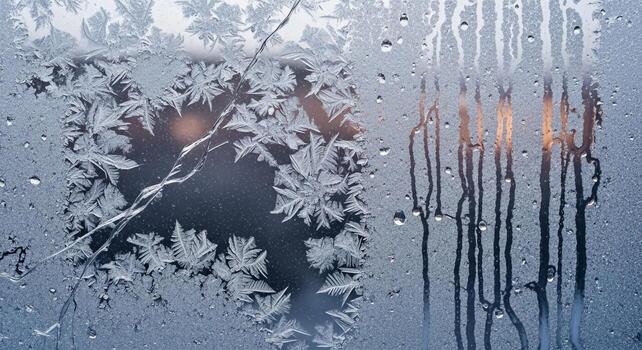
When temperatures plummet and winter settles in, most of us reach for warm blankets, cozy socks, and our favorite hot drink. But while we’re staying warm inside, our homes may be quietly battling extreme seasonal stress. Cold weather doesn’t just bring frosty mornings and icy windshields — it can cause winter home damage that affects floors, doors, walls, roofs, pipes, and even the structural integrity of the property.
Understanding how winter conditions impact your home can help you take proactive steps to prevent costly repairs. And when damage does occur, PuroClean is ready with industry-leading restoration services to get your home back to normal quickly and safely.
How Cold Weather Affects Your Home’s Structural Components
1. Floors That Freeze, Shift, and Crack
Your floors deal with more winter-related stress than you might think. In areas where temperatures routinely dip below freezing, moisture becomes a silent threat. Water from snow-covered boots, melting ice, or hidden leaks can seep beneath flooring materials. When that moisture freezes, it expands — leading to cracks, warping, or buckling.
Wood floors are particularly sensitive. As indoor heating dries the air, your hardwood can shrink, causing gaps and creaking boards. On the flip side, moisture absorbed during colder spells freezes and swells the wood, stressing the joints and finish.
Even tile floors aren’t immune. Extreme cold can weaken grout, and concrete subfloors can contract in freezing temperatures, causing tiles to loosen or crack over time. These seemingly minor issues often go unnoticed until the floor shows visible signs of winter home damage.
2. Doors That Stick, Shift, and Warp
If you’ve ever tried to open a door in mid-winter and felt like you were wrestling with it, you’ve experienced another form of winter home damage. Wood doors — both interior and exterior — naturally expand and contract with humidity and temperature changes. In winter, dry indoor air and freezing outdoor conditions create competing forces that can warp door frames or cause shifting.
Exterior doors face additional challenges. If snow builds up around the threshold, melting and refreezing cycles can cause saturation damage. Over time, the wood may rot, swell, or misalign entirely, allowing drafts or even small water leaks into the home.
And while steel and fiberglass doors are more durable, the frames around them can still warp or crack, leading to security issues or energy loss.
3. Cracked Walls & Foundation Problems
Cold air doesn’t just impact surfaces — it reaches deep into the bones of a home. The freeze–thaw cycle places your foundation under repeated stress. When moisture in the soil freezes, it expands and pushes against foundation walls. As temperatures rise and the ice melts, the soil contracts. This constant pressure can cause cracks, shifting, and long-term structural instability.
Inside the home, drywall can also show signs of winter home damage. Sudden temperature changes may worsen pre-existing cracks or create new ones. While hairline cracks can be superficial, deeper fractures can indicate foundation movement — something that should never be ignored.
4. Roof Trouble from Ice Dams & Heavy Snow
Your roof is one of the hardest-working components of your home during the winter. Ice dams form when heat from the home melts roof snow, causing water to refreeze at the eaves. This creates a thick ridge of ice that prevents proper drainage. As water pools behind it, it can seep under shingles and into attic spaces, causing insulation damage, mold growth, and ceiling leaks.
Heavy snow accumulation is another problem. A single cubic foot of snow can weigh up to 20 pounds. When multiple inches or feet accumulate, the weight places enormous stress on roof trusses. Sagging ceilings, cracked drywall, or creaking beams can all be early signs of winter home damage.
5. Frozen Pipes — The Silent Structural Threat
Most homeowners know that frozen pipes can burst, but many are unaware of the structural damage caused by water pouring into walls, ceilings, and floors. Water intrusion spreads quickly and silently, saturating materials and weakening structural components before it’s even discovered.
Once the thaw begins, mold can take hold in as little as 24–48 hours, creating long-term health and structural concerns that require professional mitigation.
How PuroClean Helps Restore Winter Home Damage
When winter home damage strikes, you need experienced professionals who understand how cold weather affects structural materials — and how to restore them safely and efficiently. PuroClean specializes in:
✅ Water Damage Restoration
Burst pipes, ice dam leaks, and moisture intrusion require immediate action. PuroClean extracts water, removes damaged materials, and uses advanced drying equipment to prevent mold and structural weakening.
✅ Mold Remediation
Cold-weather moisture often leads to hidden mold in attics, crawl spaces, basements, and behind walls. PuroClean identifies the source, removes contamination, and restores healthy indoor air quality.
✅ Structural Drying & Repairs
From warped flooring to damaged drywall, PuroClean provides full-service restoration to stabilize and rebuild winter-damaged parts of the home.
✅ Odor & Contamination Control
Winter water issues can introduce odors, bacteria, or contamination. PuroClean’s specialized cleaning and sanitization ensure your home is safe and clean again.
Don’t Let Winter Win — Protect Your Home from Seasonal Damage
Winter can be tough on your home, but being aware of the risks can help you stay one step ahead. From freezing floors and stubborn doors to roof leaks and pipe bursts, winter home damage can escalate quickly if not addressed.
If you notice drafts, moisture, cracks, leaks, or other signs of winter wear and tear, don’t wait. PuroClean is your trusted partner in restoring your home and preventing long-term structural issues.
Call PuroClean today for fast, reliable winter damage restoration — and keep your home warm, safe, and structurally sound all season long.