


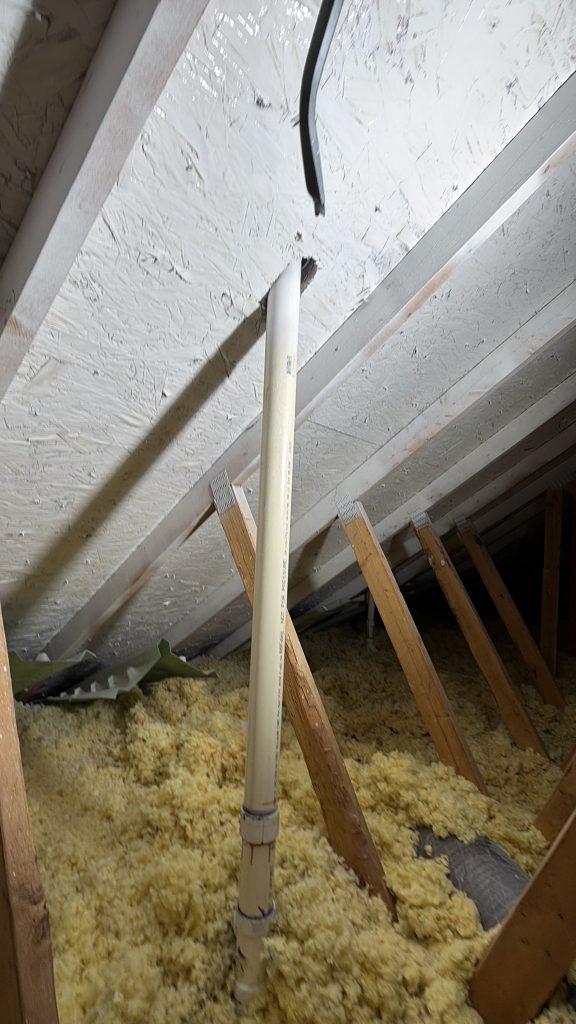
When it comes to home maintenance, the attic is often the most neglected space in the house. It’s the “out of sight, out of mind” zone where we toss holiday decorations and old suitcases. However, for a restoration professional, the attic is one of the most common places we find a hidden, thriving health hazard: mold. While the visual cleanup of a moldy attic is incredibly satisfying—watching fuzzy, dark plywood transform back into clean, bright wood—the physical removal is only half the battle.
The most crucial step of attic mold removal happens after the visible growth is gone. It is the moment a professional-grade antimicrobial sealant, or “encapsulant,” is applied. This single step is the difference between a temporary fix and a long-term solution that protects your home’s structural integrity and your family’s respiratory health.
The “Attic Greenhouse” Effect: Why Mold Loves the Upper Levels
Before discussing the solution, it is important to understand the environment. Attics are the perfect incubator for mold. They are dark, often undisturbed, and contain plenty of organic “food” (plywood, wooden trusses, and dust) for mold to feast on.
The most common causes of attic mold include:
- Inadequate Ventilation: When passive ventilation—like soffit, gable, or ridge vents—is blocked by insulation or is simply insufficient, the attic cannot “breathe.”
- The Stack Effect: All the moisture from your daily life (showers, cooking, and laundry) naturally rises. If your attic floor isn’t properly air-sealed, this humid air leaks into the attic space.
- Seasonal Condensation: In colder months, when that warm, humid household air hits the freezing underside of your roof plywood, it instantly turns into liquid water. This moisture soaks into the wood, and within 24 to 48 hours, mold begins to colonize.
The 3 Major Risks of Ignoring Attic Mold
Homeowners often wonder why attic mold is a high priority. “We don’t live up there,” is a common sentiment. However, attic mold is a serious issue for three main reasons:
- Indoor Air Quality: Your home is a dynamic system. Fluctuations in temperature and wind can cause a “backdrafting” effect, where air from the attic is pushed down into your bedrooms and living spaces, bringing microscopic spores with it.
- Structural Decay: Mold is a living organism that digests the organic material it grows on. Over time, it will weaken the plywood sheathing and trusses that support your roof, eventually leading to soft spots or even structural failure.
- Real Estate Deal-Killers: Attic mold is one of the top “red flags” home inspectors look for. Nothing kills a home sale faster than a report detailing “active microbial growth” in the attic.
The Professional Solution: Remediation and Sealing
When you hire a professional team like PuroClean, the process is rigorous and goes far beyond a simple wipe-down. We utilize a multi-stage protocol to ensure the problem doesn’t return:
Step 1: Containment and HEPA Filtration
Our first priority is preventing cross-contamination. We establish plastic containment barriers and use industrial-strength HEPA air scrubbers. This ensures that any spores disturbed during the cleaning process are captured and filtered out, rather than settling in your carpets or HVAC system.
Step 2: Mechanical Source Removal
We use various methods to physically remove the mold from the wood fibers. This may include specialized brushing, HEPA vacuuming, or advanced media blasting. This leaves the wood looking “freshened” and structurally sound.
Step 3: The Secret Weapon—The Antimicrobial Seal
Once the surface is clean and dry, we apply a specialized antimicrobial coating. This is not a standard hardware-store paint; it is a high-tech encapsulant that serves three vital functions:
- Neutralization: It penetrates the wood to kill any microscopic spores that may have survived the physical cleaning.
- Moisture Barrier: It creates a non-porous surface, preventing the wood from re-absorbing moisture from the attic air.
- Growth Inhibition: The coating contains active agents that make the surface chemically inhospitable for mold. Even if a future leak occurs, the mold cannot “root” into the sealed wood.
Final Thoughts: Don’t Live with a Moldy Secret
Mold is an active threat that will continue to grow as long as it has a food source and moisture. If you’ve noticed a musty smell in your upstairs hallway or have seen dark staining on your roof rafters, don’t wait for the problem to spread.
A professional mold inspection can provide the clarity you need. By removing the threat and applying a professional-grade seal, you aren’t just cleaning a room—you are protecting the future of your home.