


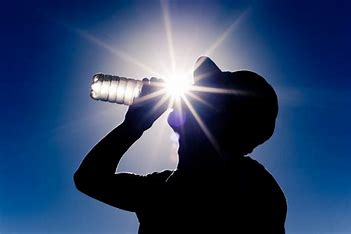
As summer temperatures rise, so does the risk of heat-related illnesses and emergencies. High heat can pose significant dangers to our health, making it crucial to understand the warnings and take necessary precautions. In this blog, we will delve into the concepts of heat advisory and heat exhaustion, exploring the risks associated with high temperatures and the measures you can take to protect yourself and your loved ones.
What is a Heat Advisory?
A heat advisory is issued by weather authorities when the temperature and humidity levels are expected to reach dangerous levels, posing a risk of heat-related illnesses. This alert serves as a warning to the public to take extra precautions to stay safe in the extreme heat. Heat advisories are typically issued when the heat index—a measure of how hot it feels when relative humidity is factored in with the actual air temperature—reaches or exceeds 100°F for multiple hours during the day.
Understanding Heat Exhaustion
Heat exhaustion is a heat-related illness that occurs when the body becomes dehydrated and is unable to cool itself adequately. It is a severe condition that can progress to heatstroke if not addressed promptly. Heat exhaustion can happen to anyone, but certain groups, such as young children, elderly individuals, and those with chronic illnesses, are more vulnerable.
Symptoms of Heat Exhaustion:
- Heavy sweating
- Weakness or fatigue
- Dizziness or fainting
- Nausea or vomiting
- Rapid, weak pulse
- Muscle cramps
- Headache
- Cold, pale, and clammy skin
If you or someone you know exhibits these symptoms, it is essential to take immediate action to prevent the condition from worsening.
The Dangers of High Heat
High heat can lead to a range of health issues, from mild discomfort to severe, life-threatening conditions. The most common dangers associated with high heat include:
- Dehydration: High temperatures increase the body’s need for hydration. Without adequate fluid intake, dehydration can set in, leading to dizziness, confusion, and even unconsciousness.
- Heat Cramps: Intense physical activity in hot weather can cause painful muscle cramps, typically affecting the legs, arms, and abdomen. These cramps result from the loss of electrolytes through sweating.
- Heat Exhaustion: As mentioned earlier, heat exhaustion is a serious condition that requires prompt treatment to prevent progression to heatstroke.
- Heatstroke: This is a medical emergency and the most severe form of heat-related illness. Heatstroke occurs when the body’s temperature regulation system fails, leading to a rapid rise in body temperature. Symptoms include confusion, loss of consciousness, and seizures. Immediate medical attention is crucial.
- Sunburn: Prolonged exposure to the sun’s ultraviolet (UV) rays can cause sunburn, leading to skin damage, pain, and an increased risk of skin cancer.
Preventive Measures
To protect yourself and your loved ones from the dangers of high heat, consider the following preventive measures:
- Stay Hydrated: Drink plenty of water throughout the day, even if you don’t feel thirsty. Avoid caffeinated and alcoholic beverages, as they can contribute to dehydration.
- Seek Shade: When outdoors, stay in shaded areas whenever possible. Use umbrellas, hats, and sunglasses to protect yourself from direct sunlight.
- Wear Lightweight Clothing: Choose loose-fitting, lightweight, and light-colored clothing to help your body stay cool.
- Use Sunscreen: Apply broad-spectrum sunscreen with at least SPF 30 to all exposed skin. Reapply every two hours, or more often if you are sweating or swimming.
- Limit Physical Activity: Avoid strenuous activities during the hottest parts of the day, typically between 10 a.m. and 4 p.m.
- Take Cool Showers: Cool showers or baths can help lower your body temperature.
- Stay Indoors: During extreme heat, stay indoors in air-conditioned spaces as much as possible. If you don’t have air conditioning, visit public places like shopping malls, libraries, or community centers.
- Check on Vulnerable Individuals: Keep an eye on elderly family members, young children, and those with chronic illnesses. Ensure they are staying cool and hydrated.
Responding to Heat Exhaustion
If you suspect someone is experiencing heat exhaustion, take the following steps:
- Move to a Cooler Area: Get the person to a cool, shaded, or air-conditioned place.
- Hydrate: Encourage them to drink water or sports drinks containing electrolytes.
- Cool the Body: Use cool, damp cloths on their skin, or have them take a cool shower or bath.
- Rest: Ensure they rest and avoid physical activity until they have fully recovered.
Stay Safe and Beat the Heat
Understanding the risks associated with high heat and taking preventive measures can help you and your loved ones stay safe during the summer months. By staying hydrated, seeking shade, wearing appropriate clothing, and avoiding strenuous activities, you can reduce the risk of heat-related illnesses.
If you or someone you know experiences symptoms of heat exhaustion, act quickly to prevent the condition from worsening. Remember, extreme heat can be dangerous, but with the right precautions, you can enjoy a safe and healthy summer. Stay informed, stay prepared, and stay cool. Your well-being is paramount, so beat the heat with awareness and proactive measures.