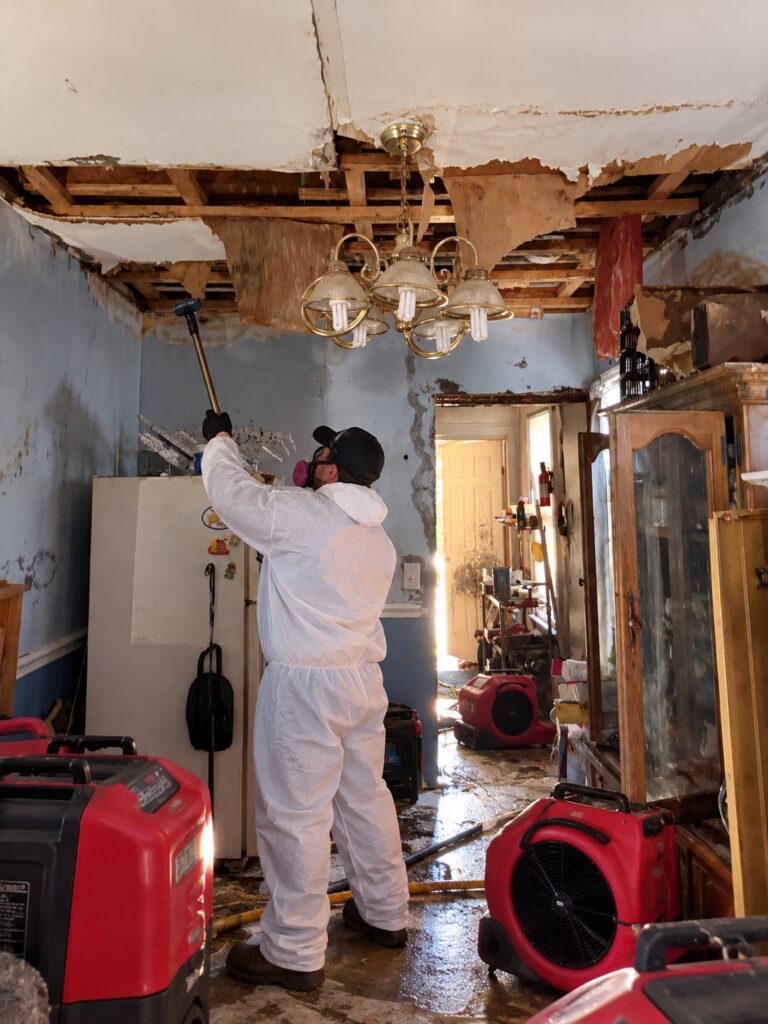
Just because you can’t see water damage doesn’t mean it isn’t there. Discover the warning signs of hidden moisture and why early action matters.
When most homeowners think of water damage, they picture flooded basements, burst pipes, or water dripping from the ceiling. But some of the most damaging moisture problems aren’t immediately visible.
A slow leak behind a wall, moisture trapped beneath flooring, or a small plumbing issue can go unnoticed for weeks or even months. By the time visible signs appear, the damage may have spread beyond the original source.
For homeowners in Reading, Berks County, and surrounding Pennsylvania communities, understanding the hidden dangers of water damage can make a significant difference in protecting their property.
At PuroClean, we know that what you can’t see can sometimes cause the biggest problems.
Hidden Moisture Can Damage Your Home’s Structure
Water doesn’t always stay where a leak begins.
Moisture can travel through drywall, insulation, flooring, and other porous building materials. Even a small, persistent leak may gradually weaken or deteriorate affected materials.
Wood can swell or warp, drywall can soften, and flooring adhesives may lose their effectiveness. Over time, these problems can lead to more extensive repairs.
Some common warning signs include bubbling or peeling paint, warped floors, soft spots in walls or ceilings, unexplained discoloration, and baseboards pulling away from walls.
While these changes might seem cosmetic at first, they can indicate an underlying moisture problem that deserves attention.
Mold Can Develop Before You Notice It
One of the biggest concerns associated with hidden water damage is mold growth.
Mold thrives in damp environments and can begin developing on wet materials within 24 to 48 hours under favorable conditions.
Areas behind walls, beneath carpeting, and inside poorly ventilated spaces may provide conditions where mold can grow unnoticed.
Not every water leak results in mold, but persistent moisture significantly increases the risk.
A lingering musty odor, visible discoloration, excessive humidity, or a history of unresolved leaks may suggest that moisture is present.
Mold exposure can also cause health concerns for some individuals, particularly those with allergies, asthma, or respiratory sensitivities.
The most important step in preventing mold growth is identifying and correcting the moisture source. When contamination is extensive or difficult to access, professional mold remediation may be necessary.
Water Damage Can Hide Beneath Your Flooring
Your floors may look perfectly normal while moisture is collecting underneath them.
Water from leaking appliances, plumbing problems, or previous flooding can become trapped beneath hardwood, laminate, vinyl, or carpeting.
Depending on the flooring material and the extent of exposure, trapped moisture can cause swelling, separation, deterioration, or unpleasant odors.
You might notice that your floor feels uneven, makes unusual noises, or develops discoloration.
Unfortunately, surface drying alone doesn’t always remove moisture trapped in underlying materials.
Professional restoration technicians use specialized moisture-detection equipment to help determine which areas have been affected and whether additional drying is necessary.
Addressing the problem early may help reduce the amount of material that needs replacement.
Small Plumbing Leaks Can Become Expensive Problems
A dripping faucet is easy to notice. A slow leak inside a wall is another story.
Plumbing leaks can occur around supply lines, drainpipes, appliance connections, and fixtures. Because these leaks may be concealed, homeowners sometimes discover them only after significant moisture has accumulated.
One potential clue is an unexplained increase in your water bill. Other signs include reduced water pressure, damp cabinetry, unusual sounds from plumbing, or water stains appearing without an obvious cause.
If you suspect a hidden plumbing leak, contact a qualified plumber to locate and repair the source.
Once the leak has been addressed, professional water damage restoration may be needed to remove remaining moisture and evaluate affected building materials.
Remember, fixing the pipe doesn’t automatically mean the surrounding area is dry.
Lingering Moisture Can Affect Indoor Air Quality
Hidden water damage isn’t just a concern for walls and floors.
Excess moisture can contribute to indoor humidity problems, musty odors, and conditions that support microbial growth.
Damp insulation, carpeting, and other porous materials may retain moisture long after the visible water disappears.
These conditions can make indoor spaces less comfortable and potentially contribute to respiratory irritation for sensitive individuals.
The Environmental Protection Agency recommends maintaining indoor humidity below 60%, ideally between 30% and 50%.
Proper ventilation, prompt leak repairs, and moisture control are important steps toward maintaining a healthier indoor environment.
If an area continues to smell musty after cleaning, further investigation may be necessary.
Water Damage Can Spread Beyond the Original Leak
One of the most surprising things about water damage is how far moisture can travel.
A leak in an upstairs bathroom may affect the ceiling below. Water entering near a window can spread into insulation and surrounding wall cavities.
Moisture may also move beneath flooring into adjoining rooms.
As a result, the visibly damaged area may represent only part of the problem.
This is why professional moisture assessments can be valuable following significant leaks or flooding.
Restoration professionals may use moisture meters, thermal imaging cameras, and other tools to help identify potentially affected areas.
Thermal imaging can reveal temperature differences associated with possible moisture, but readings must be verified using appropriate moisture-detection methods.
Understanding the full extent of the damage helps guide effective drying and restoration.
Why Waiting Can Make Water Damage Worse
When water damage appears minor, it’s tempting to wait and see whether the problem resolves itself.
Unfortunately, moisture trapped inside building materials doesn’t always dry quickly or evenly.
Delaying necessary repairs can allow deterioration to continue and increase the likelihood of mold growth.
If you discover water damage, take action as soon as it’s safe. Stop the water source if possible, avoid standing water near electrical hazards, and document visible damage with photographs.
Contact a plumber or appropriate professional when necessary, and consider reaching out to a qualified restoration company for significant water intrusion.
Prompt action can help limit additional damage and make the recovery process more manageable.
How PuroClean Helps Uncover Hidden Water Damage
At PuroClean, we understand that water damage can be stressful, especially when you’re unsure how far the problem has spread.
Our trained restoration professionals use specialized equipment and established drying techniques to assess affected areas, remove unwanted water, and help restore damaged properties.
Depending on the situation, the restoration process may include moisture detection, water extraction, structural drying, monitoring, and cleaning.
Our goal is to help property owners understand the damage and take the necessary steps toward recovery.
Don’t Let Hidden Water Damage Become a Bigger Problem
Water damage doesn’t always announce itself with a flooded room or a burst pipe.
Sometimes, the warning signs are subtle: a musty smell, a discolored ceiling, or a floor that suddenly feels uneven.
Recognizing these signs and addressing moisture problems early can help protect your property from more extensive damage.
If you suspect hidden water damage in your home or business, don’t wait for the problem to become more serious.
Your local PuroClean team is here to help property owners throughout Reading, Berks County, and surrounding communities navigate unexpected water damage.
Contact your local PuroClean today to learn more about our professional water damage restoration services.
Because when it comes to water damage, what you can’t see matters just as much as what you can.