


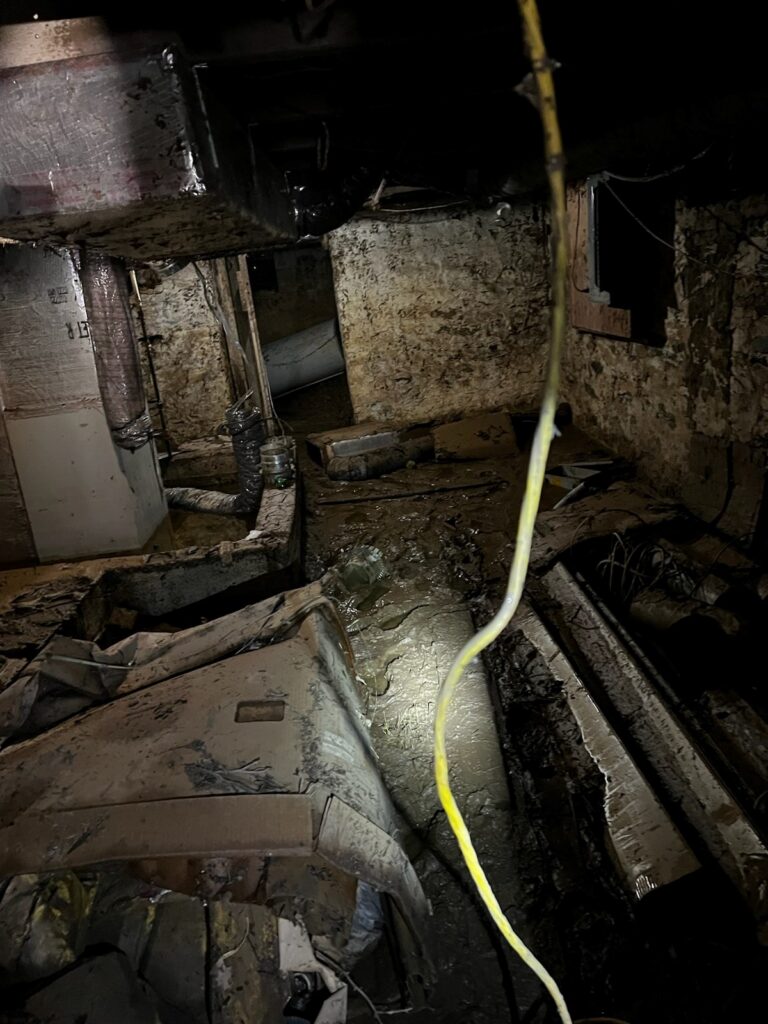
Water damage can be a distressing experience for homeowners, causing structural issues, property damage, and potential health hazards. Fortunately, many homeowners have insurance policies that cover water damage, providing financial protection during these challenging times. However, navigating water damage insurance claims can be a complex process, and understanding the steps involved is crucial for a successful claim.
In this guide, we will walk you through the step-by-step process of filing a water damage insurance claim, from documenting the damage to negotiating with your insurance company. By following these essential steps and tips, you can maximize your chances of a fair and timely resolution and ensure that your home is restored to its pre-loss condition.
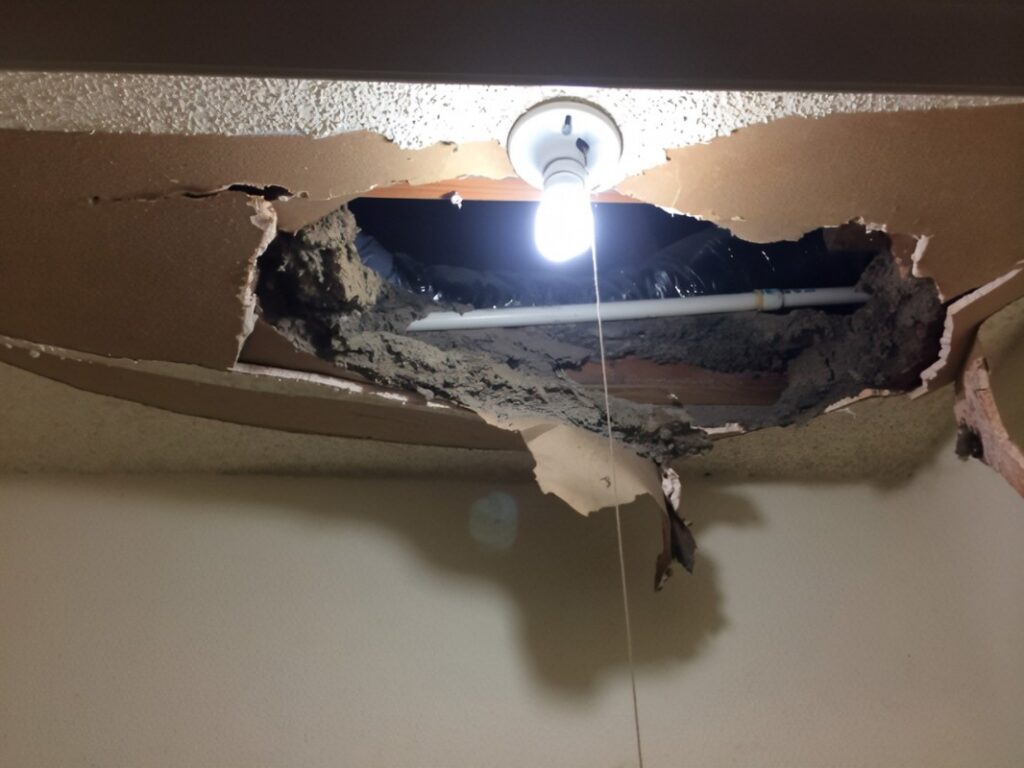
Step 1: Assess the Damage and Take Immediate Action
The moment you discover water damage in your home, it’s essential to assess the situation and take immediate action to mitigate further damage. Turn off the water source if possible to prevent additional flooding. Move belongings away from the affected area to protect them from further harm.
Contact a reputable water damage restoration company like PuroClean Reading to perform a thorough assessment of the damage and begin the restoration process promptly. Professional water damage restoration teams can prevent mold growth, salvage valuable items, and mitigate the impact of water damage on your home.
Step 2: Document the Damage
Comprehensive documentation is vital to support your water damage insurance claim. Take photographs and videos of the affected areas, capturing the extent of the damage. Make a detailed list of damaged items, including their description, age, and estimated value.
Keep records of all communication with your insurance company, including the names of representatives and the date and time of each conversation. Written correspondence, such as emails and letters, should be retained as well.
Step 3: Review Your Insurance Policy
Before filing a claim, carefully review your insurance policy to understand the coverage and limitations related to water damage. Pay attention to specific exclusions or requirements, such as notification deadlines and preferred contractors.
If you have any questions or uncertainties about your policy’s terms, contact your insurance agent or provider for clarification. Understanding your coverage is essential for a smooth claims process.
Step 4: Notify Your Insurance Company
Promptly notify your insurance company about the water damage. Most insurance policies have specific timeframes within which you must report the damage, so do not delay in making the initial contact. Provide the necessary details about the incident, including the date, time, and cause of the water damage.
After notifying your insurance company, they will assign a claims adjuster to assess the damage and evaluate the validity of your claim.
Step 5: Meet with the Claims Adjuster
The claims adjuster plays a crucial role in the water damage claims process. They will visit your property to inspect the damage and determine the extent of the loss. Be sure to provide them with the documentation you gathered in Step 2, including photographs, videos, and the list of damaged items.
Be present during the inspection to answer any questions the claims adjuster may have and ensure they have access to all areas affected by the water damage.
Step 6: Obtain Repair Estimates
Once the claims adjuster completes the assessment, you will receive a claims report detailing their findings and the estimated cost of repairs. While the claims report provides valuable information, it’s essential to obtain repair estimates from reputable contractors as well.
Reach out to water damage restoration companies like PuroClean Reading and obtain detailed estimates for the restoration work. Having multiple estimates can strengthen your case during the negotiation process with the insurance company.
Step 7: Review the Settlement Offer
Based on the information provided by the claims adjuster and the repair estimates, your insurance company will make a settlement offer. Review the offer carefully to ensure it aligns with the scope of work required to restore your home properly.
If you believe the settlement offer is inadequate, you have the right to negotiate with your insurance company. Consider providing additional evidence, such as further documentation or expert opinions, to support your position.
Step 8: Negotiate with Your Insurance Company
Negotiating with your insurance company may be necessary to reach a fair settlement. Be prepared to present your case effectively and back your arguments with strong evidence. Focus on the facts, keep emotions in check, and maintain open lines of communication.
If you encounter challenges during the negotiation process, consider seeking assistance from a public adjuster. Public adjusters are licensed professionals who can represent your interests during the claims process.
Step 9: Finalize the Claim Settlement
Once you and your insurance company reach an agreement, the claim settlement is finalized. The insurance company will provide the funds necessary for the restoration work. Some policies may issue multiple checks throughout the process, with initial payments and subsequent disbursements.
Step 10: Begin the Restoration Process
With the settlement funds available, you can now proceed with the water damage restoration. Select a reputable and experienced restoration company to perform the necessary repairs. Ensure they use proper techniques to mitigate water damage, prevent mold growth, and restore your home to its pre-loss condition.
Step 11: Stay Involved Throughout the Process
During the restoration process, stay involved and communicate with the restoration company to monitor progress. Keep records of any additional expenses that may arise during the restoration, as they may be covered by your insurance policy.
Step 12: Submit the Final Invoice and Documentation
Once the restoration is complete, obtain a final invoice from the restoration company and submit it to your insurance company. Include any additional documentation required to close the claim.
Step 13: Prevent Future Water Damage
After successfully navigating the water damage insurance claim process and restoring your home, take proactive measures to prevent future water damage. Regularly inspect and maintain your home’s plumbing, roofing, and drainage systems. Install water leak detection devices and consider upgrading your home’s insulation and weatherproofing.
In conclusion, filing a water damage insurance claim requires diligence, documentation, and effective communication. By following this step-by-step guide, you can navigate the claims process with confidence, ensuring a successful resolution and the restoration of your home after water damage incidents. Remember, seeking professional assistance from reputable water damage restoration companies like PuroClean Reading can significantly streamline the process and facilitate a swift recovery for your home and peace of mind for you and your family.