


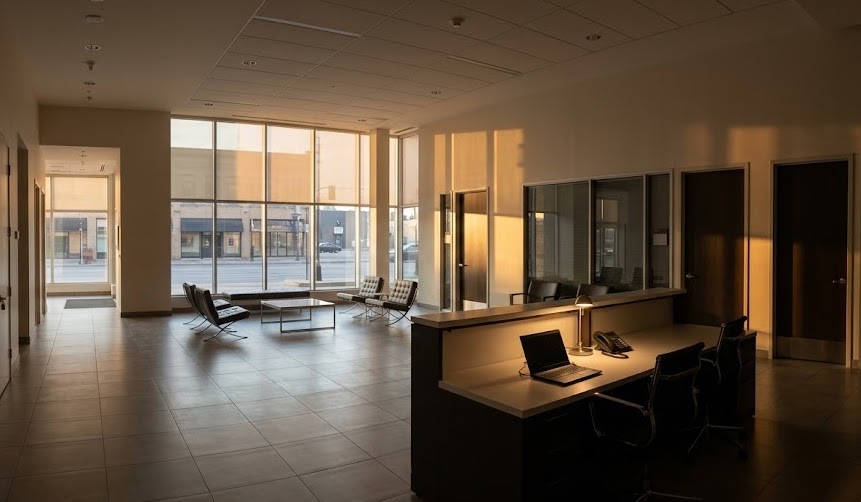
As we transition into late May, the energy around Berks County shifts completely. Schools are wrapping up their academic years, local offices are moving toward hybrid summer schedules, and many businesses scale back hours or close completely for extended holiday weekends.
While a summer slowdown is a welcome break for your staff, an under-occupied or completely empty commercial building faces a unique set of risks. When a facility is bustling with daily activity, a dripping pipe under a breakroom sink or a strange puddle in a utility closet is noticed and reported within minutes. But when a building is empty for days or weeks at a time, a minor plumbing malfunction can quietly transform into a catastrophic structural failure.
At PuroClean of Reading, we specialize in business continuity. We know that the cost of commercial water damage isn’t just measured by the physical repairs—it’s measured in lost operational revenue and costly downtime.
If your facility is moving into a seasonal shutdown or reduced summer schedule, use this strategic checklist to protect your property while your workforce is away.
1. The Danger of Invisible HVAC Condensate Leaks
During the hot, humid Pennsylvania summer months, commercial HVAC units work overtime to keep indoor environments stable. As these massive systems cool the air, they pull gallons of moisture out of the environment every single hour.
This moisture drains into condensate pans and out through specialized drain lines. However, if your system has been idle through the winter or early spring, dust, algae, and mechanical debris can easily clog those lines.
- The Risk: If a line clogs while your building is empty over a long summer weekend, the condensate pan will quickly overflow. Because these units are typically housed in drop ceilings or upper utility rooms, the water will saturate the ceiling tiles, collapse the drywall, and ruin the office equipment or inventory sitting directly underneath.
- The Proactive Step: Schedule a comprehensive commercial HVAC inspection before modifying your building hours. Ensure maintenance teams flush the condensate lines, clear the overflow pans, and verify that the automated float switch shut-offs are fully functional.
2. Lock Down Your Main Water Supply
The simplest way to prevent a catastrophic commercial water leak is to eliminate the pressurized water running through the building when it isn’t needed.
- The Risk: A failed supply line on an executive restroom toilet or a ruptured line behind a commercial breakroom refrigerator can pump hundreds of gallons of high-pressure water into your building every hour. If this occurs on a Friday evening during a holiday shutdown, three full days of continuous flooding can compromise concrete subfloors, destroy commercial carpeting, and spark widespread mold growth.
- The Proactive Step: Identify the main water shut-off valve for the non-essential zones of your facility. If your building doesn’t require constant water for specialized manufacturing equipment or fire suppression sprinkler networks, make it a standard operating procedure to close the valve before extended holiday closures.
3. Establish a Routine Property Walkthrough Protocol
Technology is an incredible asset for modern property management, but it should never entirely replace a pair of trained eyes on the ground.
- The Risk: Minor leaks can start as a slow, unnoticeable drip behind a wall or inside a mechanical room. While it might not trigger an automated flow-meter alert immediately, the elevated ambient humidity will rapidly encourage microbial growth in stagnant, unventilated summer air.
- The Proactive Step: Assign a facility manager or trusted team member to conduct a physical walkthrough of the property at least once or twice a week during low-occupancy stretches. This walkthrough should specifically include high-risk zones: janitor closets, boiler rooms, areas directly beneath rooftop units, and basements.
4. Optimize Your Climate Controls for Mold Prevention
When trying to reduce operational overhead during a summer shutdown, it is incredibly tempting to turn off the facility’s air conditioning entirely to save on utility bills. Unfortunately, this is one of the most common mistakes a commercial property manager can make.
- The Risk: An uncooled building in Pennsylvania quickly turns into a greenhouse. When indoor relative humidity climbs above 60%, dormant mold spores can activate on porous commercial surfaces like ceiling tiles, fabric partitions, and drywall—even without a direct liquid water leak.
- The Proactive Step: Instead of turning the system off completely, utilize smart thermostats to set the building to a safe “away” or “holding” mode. Keeping the temperature settled around 75°F to 78°F ensures that the HVAC system runs frequently enough to dehumidify the air and keep indoor humidity levels well below the danger threshold.
5. Partner with a Restoration Professional Before a Loss Occurs
When commercial water damage strikes a business, the speed of the initial response directly governs the severity of the loss. Waiting until a disaster happens to vet a restoration contractor, negotiate terms, and understand insurance compliance protocols creates unnecessary delays that compound your structural damage.
By establishing a pre-loss relationship with PuroClean, you ensure that our IICRC-certified rapid response teams already understand your facility’s layout, main shut-off locations, and unique operational priorities the exact moment you call.
Protect Your Business Continuity This Summer
An empty building shouldn’t mean a vulnerable asset. By taking a few intentional, preventive maintenance steps this month, you can confidently transition your commercial property into the summer season knowing it is fully protected against the elements.
Are you updating your facility’s seasonal emergency response plan? Contact PuroClean of Reading today. Our team can help you identify hidden structural vulnerabilities, map out your moisture risks, and establish a priority response plan to keep your business running smoothly all summer long.