 PuroClean of Reading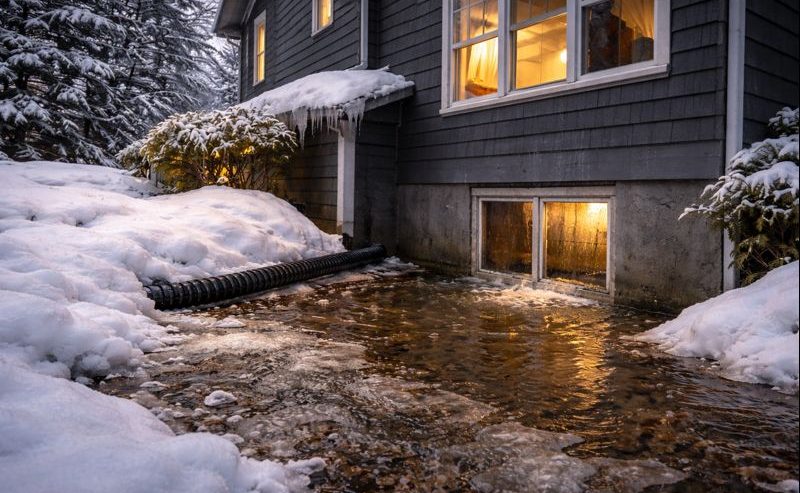
When homeowners think about flooding, spring rainstorms and hurricanes often come to mind. But in Pennsylvania, winter flooding is a very real—and often overlooked—threat. Ice jams, heavy snow accumulation, and sudden temperature swings can all lead to basement water issues during the coldest months of the year.
Understanding how winter flooding happens—and knowing what to do when it does—can help you protect your home, avoid costly damage, and act quickly when problems arise.
Why Winter Flooding Happens More Than You Think
Winter flooding doesn’t usually arrive as a dramatic surge of water. Instead, it often creeps in quietly—starting with melting snow, blocked drainage, or frozen ground that can’t absorb moisture.
In Pennsylvania, fluctuating winter temperatures are a major contributor. A deep freeze followed by a brief warm spell can trigger rapid snowmelt, overwhelming foundations and drainage systems that were never designed to handle that volume of water all at once.
Two of the most common winter flood culprits are ice jams and snow melt runoff.
Ice Jams: A Hidden Winter Flood Risk
Ice jams form when snow melts on a roof, flows down to colder edges, and refreezes. Over time, this creates a ridge of ice that prevents proper drainage. As more snow melts, water has nowhere to go—and it often backs up under shingles or behind siding.
While ice jams start on the roof, their effects can reach much further.
How ice jams can lead to basement water issues:
- Water seeps into wall cavities and travels downward
- Moisture follows framing or electrical pathways
- Hidden leaks eventually pool in basements or crawl spaces
Many homeowners don’t connect a roof issue with basement flooding, which can delay proper repairs and allow damage to worsen.
Snow Melt and Frozen Ground: A Perfect Storm
Snow itself isn’t the problem—it’s what happens when it melts.
During winter, the ground around your home is often frozen solid. When temperatures rise, melting snow can’t soak into the soil. Instead, it runs along the surface, collecting near your foundation.
Common snow melt flood scenarios include:
- Water seeping through foundation cracks
- Basement walls absorbing moisture
- Window wells filling and leaking
- Overwhelmed sump pumps
If snow piles are left too close to your home, the risk increases significantly. As melting accelerates, water looks for the path of least resistance—and that path often leads inside.
Why Basements Are Especially Vulnerable
Basements sit below ground level, making them the first place water wants to go. Even well-built homes can experience basement flooding under the right conditions.
Winter makes the situation worse because:
- Foundation materials contract and expand with temperature changes
- Small cracks widen over time
- Drains and discharge lines may be frozen or blocked
What starts as a small seep can quickly turn into standing water—especially if melting occurs overnight or during a weekend when issues go unnoticed.
Signs of Winter Water Intrusion to Watch For
Not all winter flooding is obvious. Some of the most damaging water issues begin subtly.
Warning signs include:
- Damp or musty smells in the basement
- Dark spots or discoloration on walls
- Peeling paint or bubbling drywall
- Warped flooring or baseboards
- Unexplained increases in humidity
Ignoring these signs can lead to mold growth, structural damage, and long-term indoor air quality concerns.
How to Reduce the Risk of Winter Basement Flooding
While not every winter hazard can be prevented, proactive steps can significantly reduce your risk.
Winter flood prevention tips:
- Clear snow away from your home’s foundation
- Ensure downspouts extend several feet from the house
- Keep window wells free of snow and ice
- Check sump pumps regularly—even in winter
- Address foundation cracks before temperatures drop
It’s also important to monitor temperature changes. A sudden warm-up after heavy snowfall is one of the highest-risk periods for winter flooding.
What to Do If Your Basement Takes on Water
If you discover water in your basement during winter, quick action is critical.
Immediate steps to take:
- Avoid standing water near electrical outlets
- Stop the source of water if possible
- Do not use household fans or heaters improperly
- Call a professional water damage restoration company right away
Delaying cleanup—even by a day—can allow moisture to soak into building materials and create ideal conditions for mold growth.
The Hidden Danger: Mold After Winter Flooding
One of the most serious consequences of winter basement flooding is mold. Mold can begin growing within 24–48 hours of water exposure, especially in dark, enclosed areas.
Because winter flooding often involves hidden moisture, mold growth can remain undetected until odors or health symptoms appear.
Professional restoration teams use moisture detection tools, commercial-grade drying equipment, and proven remediation methods to stop mold before it spreads.
How PuroClean Can Help After Winter Flood Damage
When winter flooding hits, having a trusted restoration company makes all the difference.
PuroClean of Reading provides:
- 24/7 emergency water damage response
- Water extraction and structural drying
- Mold detection and remediation
- Assistance working with your insurance provider
- Compassionate, professional service during stressful situations
Our team understands how winter conditions affect homes in Pennsylvania—and how to respond quickly to minimize damage.
Stay Ahead of Winter Flood Hazards
Winter flooding may be less obvious than spring storms, but it can be just as destructive. Ice jams, snow melt, and frozen ground create unique risks that homeowners should never ignore.
By staying alert, taking preventive steps, and knowing who to call when water appears, you can protect your basement—and your peace of mind—all winter long.
If your home experiences winter water damage, PuroClean of Reading is here to help—any time, day or night.


 PuroClean of Reading