 PuroClean Certified Restoration Specialists

Wind and storm damage can happen quickly and cause a lot of problems. Strong winds, heavy rain, and flying debris can harm your roof, break windows, knock down trees, and flood your Zephyrhills home. Taking the right steps soon after the storm can help lessen the damage and make repairs easier. Storm damage isn’t just about fixing your house—it’s about getting your life back to normal as soon as possible.
If you live in Zephyrhills or nearby, it’s important to know what to do to restore damage caused by wind and storm. Acting fast and getting help from trusted damage restoration services in Zephyrhills can save time and money. In this article, we’ll explain what wind and storm damage is, the steps to take after a storm, and how restoration works to get your home back in shape.
What Is Wind and Storm Damage and Why You Should Care
Wind and storm damage covers a wide range of problems that can happen during severe weather. It may include roof leaks, siding damage, water infiltration, broken windows, and downed power lines. Some damage is easy to spot, but other issues—like hidden moisture behind walls—can go unnoticed until it becomes a bigger problem.
Caring about wind and storm damage isn’t just about fixing your house. It’s also about keeping your family safe, which prevents mold growth and avoids costly repairs down the road. If you act fast and get help, you can minimize long-term damage and move forward more easily.
Simple Steps to Follow Right After Wind and Storm Damage
After a storm, it’s natural to feel overwhelmed by the damage and unsure where to start. Taking clear, simple steps can help you manage the situation more effectively and shield your home from further harm. Here are important actions to follow right after experiencing wind and storm damage:
• Make Sure It’s Safe to Go Inside
Before entering your home, look around carefully. Check for downed power lines, gas leaks, fallen trees, or any parts of the building that might be unstable. If you see any dangers, stay outside and call emergency services right away.
• Document All Damage
Use your phone or a camera to take detailed photos and videos of every damaged area. This documentation will be very useful when you talk to your insurance company or restoration professionals. Try to capture both wide shots and close-ups.
• Contact Your Insurance Provider
Let your insurance company know about the damage as soon as possible. Share the photos and give them a full description of what you’ve observed. They will explain your coverage and walk you through filing a claim.
• Prevent Further Damage
If it’s safe, cover broken windows with plastic sheets or boards. Use tarps to cover any holes or damaged parts of your roof. These temporary fixes help stop more water or wind from making the damage worse while you wait for repairs.
• Call a Restoration Company
A restoration company can assess the full extent of the wind and storm damage and begin the restoration process. They will check your home for damages, including roof leaks, water buildup, and hidden mold. With the right tools and experience, they can remove standing water, dry out wet areas, and clean and restore the damage.
• Keep All Records Organized
Save all your receipts, repair estimates, insurance paperwork, and any other related documents. Keeping everything in one place makes it easier to track your expenses and communicate with your insurance company.
• Look After Your Well-Being
Recovering from wind and storm damage can be stressful and exhausting. Take time to rest, eat well, and ask for support from family or friends if you need it. Your health and safety are just as important as repairing your home.
How Wind and Storm Damage Restoration Works
Once you’ve taken the initial steps after wind and storm damage, the restoration process begins. Professional restoration companies follow a detailed plan to bring your home back to its pre-storm condition. Here’s how the process usually works:
1. Thorough Inspection and Assessment
The first step in the restoration process is a full inspection of your home. Restoration experts check for visible damage and also look for hidden problems, such as water trapped behind walls or under floors. They use tools like moisture meters and thermal cameras to find wet areas or signs of mold that might not be visible. This careful check helps them know exactly what needs to be repaired and how to move forward.
2. Damage Documentation
The restoration team documents all the damage found during the inspection. This detailed report helps with insurance claims and ensures no part of the damage is overlooked.
3. Emergency Repairs
If necessary, the crew performs temporary repairs to prevent further damage. This could include covering broken windows, placing tarps on damaged roofs, or boarding up openings to keep out rain and wind.
4. Water Removal and Drying
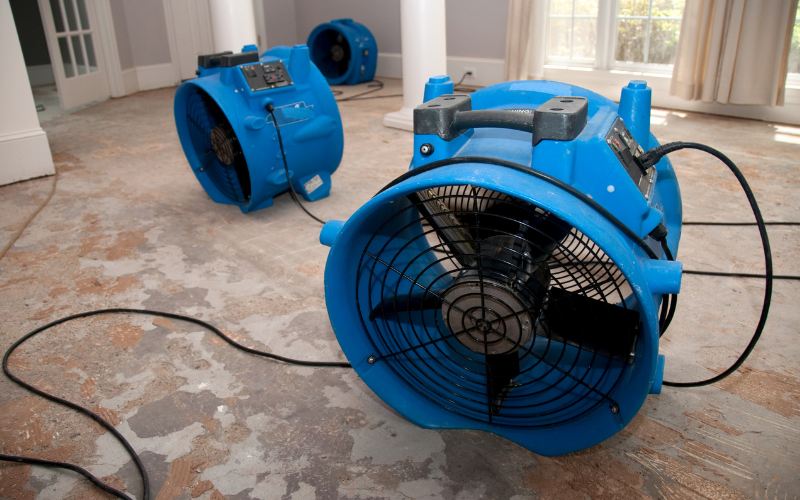
Storms often cause flooding or water leaks, which can lead to mold development if not addressed quickly. Restoration professionals utilize specialized pumps and drying equipment to thoroughly clear water and dry affected areas.
5. Repair and Restoration
The final phase is to repair and restore the areas of your home that were damaged by the storm. This includes cleaning up, drying out, and making repairs to help your home feel safe and comfortable again. Water damage restoration is especially important if your home was flooded or had leaks. The goal is to bring your home back to the way it was before the storm.
Frequently Asked Questions
Can I start cleaning up after a storm?
You can handle minor cleanup like removing small debris or covering broken windows temporarily. But for water damage, structural repairs, or mold issues, it’s safer to hire professional services to avoid injury and ensure the job is done right.
What should I do if I notice mold after the storm?
Mold can start growing within 24 to 48 hours after water damage. If you see or smell mold, contact restoration specialists immediately to handle safe removal and prevent health risks.
Are there any health risks associated with storm damage?
Yes, storm damage can lead to health risks, especially if there is standing water, mold growth, or damaged electrical systems. Mold can grow quickly and cause breathing problems, while dirty floodwater may carry bacteria or other harmful germs. It’s important to clean up safely.
The Bottom Line
Dealing with wind and storm damage can be overwhelming, but taking the proper actions can make a big difference. Quick action, adequate documentation, and calling a professional restoration company can help protect your home and health. Whether it’s water damage or hidden mold, the sooner you act, the easier the recovery process will be.
If you need expert help with wind and storm damage restoration, contact PuroClean Zephyrhills. Our trained team is ready to assess the damage and restore your home fast and safely. Call us today!
 PuroClean Certified Restoration Specialists