 PuroClean Certified Restoration Specialists
Key Takeaways
- Attic mold is common in Zephyrhills because the air is humid and moisture builds up easily. Leaks, poor airflow, and bad insulation can cause mold to grow.
- Mold in the attic can affect your health and damage your home. It can cause breathing problems and weaken wood and insulation.
- Mold is often hard to notice at first. Dark stains, musty smells, damp insulation, and health symptoms are common signs.
- The cost of attic mold removal depends on how much mold there is. Most jobs cost between $1,000 and $4,000, but severe cases can cost more.
- Hiring a professional is the safest option. Professionals remove mold fully and help stop it from coming back.
If you’re a homeowner in Zephyrhills, FL, you’ve probably heard about mold in attics. It’s a common issue that can sneak up on you and often goes unnoticed until it causes serious damage to your home or affects your health. That’s why attic mold removal is so important. It helps protect your home and keeps everything clean and safe.
In this blog, we’re going to walk you through the basics of attic mold removal in Zephyrhills, explain what causes mold to grow, and give you an idea of the costs involved. Let’s start by talking about what attic mold is and why it’s such a problem.
What Is Attic Mold?
Attic mold is a type of fungus that grows in areas of your home with moisture. It often appears as dark spots on plywood, insulation, or beams. Although mold can grow anywhere, attics are a common problem area because they trap heat and moisture easily. If attic mold is not treated, it can spread fast, damage your home’s structure, and lower your indoor air quality.
Several elements can cause mold to grow in your attic. Understanding these causes can help prevent mold from forming in the future.
- No Fresh Air
If your attic doesn’t have enough airflow, moisture gets trapped, which helps mold grow.
- Leaky Roof
When your roof leaks, rainwater gets into your attic, soaking the wood and insulation, which can cause mold.
- High Humidity
Florida is really humid, especially when it rains. The extra moisture can get into your attic and lead to mold.
- Condensation
Warm air from inside your house can meet the cold surfaces in your attic, causing water droplets. This water can build up and cause mold.
- Bad Insulation
If your attic doesn’t have good insulation, it can cause temperature changes that create moisture and mold.
By understanding these causes, you can take the right steps to prevent attic mold in the future.
5 Common Signs of Mold in Your Attic
Mold in the attic can often go unnoticed until it becomes a bigger problem. Since attics are usually hidden away, it’s easy to forget about them. But if you don’t catch mold early, it can cause serious damage to your home and health. That’s why it’s important to know the signs of mold, so you can spot it before it spreads.
If you’re concerned that mold might be growing in your attic, keep an eye out for these five common signs. The sooner you notice them, the quicker you can take action and schedule attic mold removal to prevent further damage.
- Dark Spots or Patches
If you see dark spots or patches on the wood or insulation in your attic, it could be mold. These spots may look black, green, or white, depending on the type of mold.
- Musty Smell
Mold has a strong, damp smell. If your attic smells musty or like wet wood, mold might be growing there.
- Wet or Damp Insulation
Insulation is supposed to keep your attic dry. If it feels wet or damp, it could mean moisture is building up, which can lead to mold growth.
- Water Stains or Puddles
If you notice water stains or puddles in your attic, it means there’s moisture, which can cause mold. This might happen if there’s a roof leak or poor ventilation.
- Health Problems
If you or your family members start feeling sick, like coughing, sneezing, or itchy eyes, it could be from mold in the attic. Mold can affect your health, so it’s important to check for it right away.
Is Attic Mold Dangerous to Your Health and Home?
Yes, attic mold can be dangerous to both your health and your home. If you don’t deal with it quickly, it can cause serious problems. Here’s how:
Health Risks
Mold releases tiny spores into the air that can cause health problems. If you breathe in these spores, you might start to feel sick. Common health issues from mold include:
- Allergy-like symptoms: Sneezing, coughing, itchy eyes, and a runny nose.
- Breathing problems: Mold can make it harder to breathe, especially for people with asthma.
- Headaches and fatigue: Prolonged exposure to mold can leave you feeling tired and unwell.
Damage to Your Home
Mold doesn’t just stay on the surface; it can spread deep into the materials of your attic, like wood and insulation. Over time, this can weaken the structure of your home. If left untreated, mold can:
- Damage the wood: Mold eats away at wood, which can make beams and rafters weak and unsafe.
- Destroy insulation: Moldy insulation won’t work properly, making your attic less energy-efficient.
- Spread to other areas: Mold can spread to other parts of your home, causing more damage and creating a bigger problem.
Attic mold removal is something you don’t want to ignore. It can hurt your health and damage your property, so it’s best to remove it as soon as you spot it.
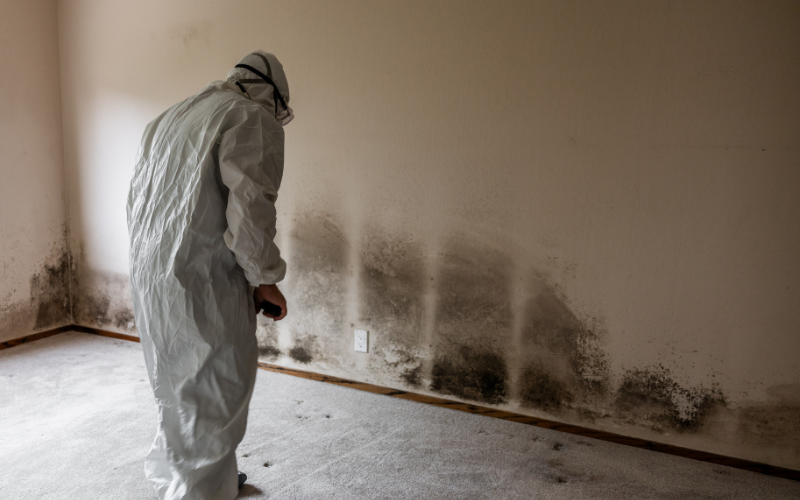
Step-by-Step Guide to Safe and Effective Attic Mold Removal
Attic mold removal is a serious task that requires proper care to ensure the mold is fully removed and the area is safe. Here’s how the process typically works:
Step 1: Protective Measures
To avoid exposure to harmful mold spores, workers use protective gear. This includes:
- N95 masks to filter mold spores
- Safety goggles to protect the eyes
- Gloves to prevent skin contact with mold
- Protective clothing to stop mold from spreading to other areas
Step 2: Ensure Proper Ventilation
Good ventilation is crucial during attic mold removal. The attic is ventilated to reduce the risk of spores spreading to other parts of the home. This is often done by opening vents or using fans to maintain airflow throughout the space.
Step 3: Identify the Mold and Assess the Damage
A full inspection of the attic is done to locate mold and assess how far it has spread. Mold can show up in various ways, such as dark patches on wood or fuzzy growths on insulation. A careful examination is done to check both visible and hidden areas.
Step 4: Mold Removal
Once the mold is identified, experts use specialized cleaning agents, vacuums, and tools to remove it. This may include using mold-killing chemicals, HEPA vacuums, or sanding areas where the mold is difficult to reach. The goal is to completely remove the mold and any spores left behind.
Step 5: Fix the Root Cause
After removing the mold, it’s important to address the source of the moisture. Whether it’s due to leaks, poor ventilation, or other issues, fixing the cause will help prevent mold from returning. This may involve repairing leaks or improving attic ventilation and insulation.
Step 6: Safe Disposal and Cleanup
All mold-contaminated materials, such as damaged insulation or moldy wood, are carefully removed. The cleaning equipment and tools are also cleaned thoroughly to guarantee that no mold spores are left behind in the attic.
Average Cost of Attic Mold Removal and Remediation
The cost of attic mold removal typically ranges from $1,000 to $4,000. The price depends on how easy it is to access your attic and how much mold is present. If the mold is in hard-to-reach areas or if there’s extensive damage, the cost can be higher. For example, if a large roof leak has caused long-term damage, mold remediation could cost up to $7,000.
In some cases, testing might be needed before attic mold removal. This can cost between $250 to $350 for a basic test. Mold testing helps identify the type and extent of mold in your attic, ensuring the right treatment is used.
It’s important to get an estimate from a certified restoration specialists, so you understand the exact costs for your specific situation.
DIY vs. Professional Attic Mold Remediation in Zephyrhills
When dealing with attic mold, you might wonder if it’s worth tackling the problem yourself or hiring a professional. While DIY solutions may seem cost-effective, attic mold removal can be tricky and dangerous, especially if the mold has spread or if it’s in hard-to-reach areas. Here’s a simple comparison of DIY and professional mold remediation to help you decide which option is best for your situation.
| Factor | DIY Attic Mold Removal | Professional Attic Mold Removal |
| Cost | Lower initial cost (materials like bleach or vinegar, gloves, mask, etc.) | Higher cost due to labor, equipment, and materials (typically $1,000 – $4,000) |
| Effectiveness | Less effective for large or hidden mold problems. May leave spores behind. | More thorough, using advanced tools and chemicals to fully remove mold. |
| Time and Effort | Time-consuming; you’ll need to research and complete the job yourself. | Faster as professionals have the expertise and equipment to handle mold quickly. |
| Safety | Risk of exposure to harmful mold spores, especially without proper protective gear. | Safe for you as professionals use protective equipment and know how to handle mold. |
| Long-Term Solution | May not address the root cause (e.g., roof leaks or ventilation issues), leading to mold returning. | Fixes the root cause and ensures mold doesn’t come back, saving you money in the long run. |
| Disposal of Moldy Materials | You’ll need to properly dispose of moldy materials. | Professionals handle disposal and clean-up, ensuring safe removal of mold-contaminated materials. |
While DIY may seem appealing for small problems, professional remediation is safer and more effective for larger or hidden mold issues. Understanding how to safely remove mold is key to protecting both your health and your home.
How to Prevent Mold from Returning in Your Attic
After attic mold removal, it’s important to take steps to prevent it from coming back. Here are some easy ways to keep your attic dry and mold-free:
- Fix Leaks Immediately
If you notice any leaks in your roof or walls, repair them right away to prevent water from entering the attic and causing mold growth.
- Improve Ventilation
Make sure your attic has proper ventilation to allow air to circulate. This helps keep the area dry and reduces moisture buildup, on which mold thrives.
- Insulate Your Attic
Proper insulation keeps the temperature in your attic stable and prevents condensation. Make sure pipes, ducts, and the roof are well insulated to avoid moisture.
- Control Humidity
Use a dehumidifier in your attic during humid months to keep the air dry. Aim to keep the humidity level below 60% to stop mold from growing.
- Ensure Proper Drainage
Make sure your gutters are clean and that water can flow freely. Clogged gutters can cause water to back up and leak into the attic.
- Check Attic Regularly
Do periodic inspections of your attic, especially after heavy rain or storms. Look for signs of leaks or moisture and address them immediately.
By following these tips, you can reduce the chances of mold coming back and keep your attic safe and dry for the long term.
Frequently Asked Questions
How long does it take to remove mold from my attic?
The time it takes depends on the size of the attic and how much mold is present. Small areas may take just a few hours, while larger or more severe mold problems could take a day or two.
Will my insurance cover attic mold removal?
Some home insurance policies may cover the cost of removing attic mold if the mold was caused by a covered event, such as a burst pipe or roof leak. It’s best to check with your insurance provider to understand your coverage.
Is attic mold removal a one-time job, or should I expect regular check-ups?
Mold removal is usually a one-time job if the root cause of the moisture is fixed. However, periodic inspections are recommended to ensure your attic stays mold-free, particularly if you live in a humid area or have experienced water damage.
Conclusion
Mold in your attic can cause serious health issues and significant damage to your home. It’s essential to act fast with attic mold removal and fix the root causes, like leaks or poor ventilation, to prevent it from coming back. While there are steps you can take to reduce moisture in your attic, professional mold remediation is often the safest and most effective way to ensure your home stays mold-free.
If you suspect mold in your attic or need professional help, don’t wait. The experts at PuroClean Zephyrhills are here to provide safe and reliable mold removal. We have the tools, knowledge, and experience to restore your attic, ensuring your home stays clean and safe.
For more information or to schedule a consultation, contact us today!


 PuroClean Certified Restoration Specialists