


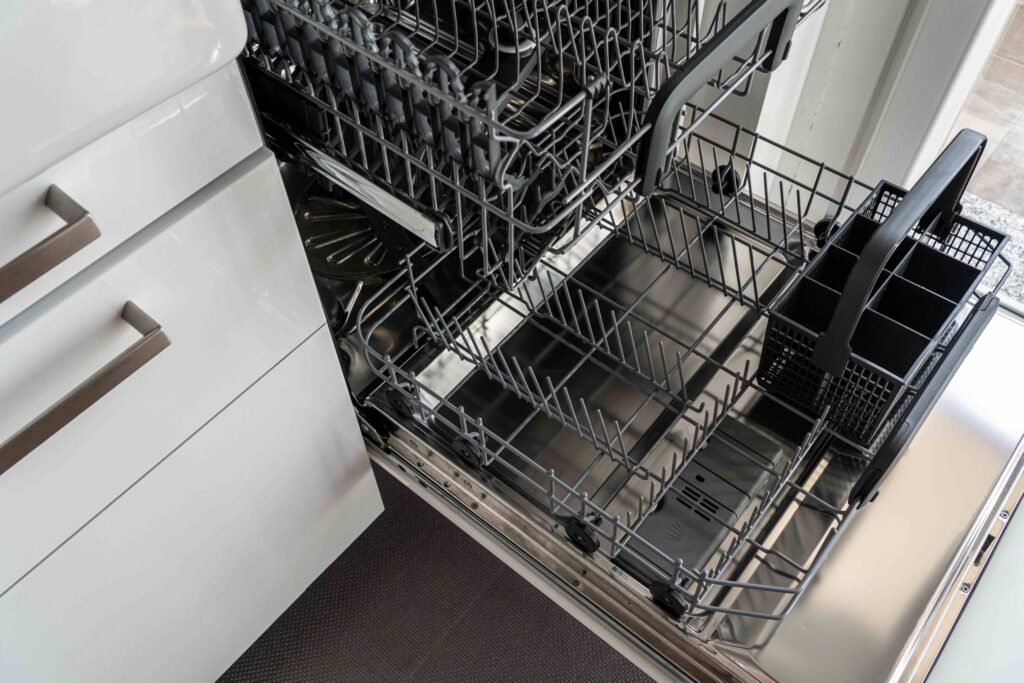
Are you tired of dealing with a dishwasher that isn’t cleaning your dishes properly? One common culprit behind this frustrating issue is a clogged filter. A dishwasher filter plays a vital role in trapping food particles, debris, and grime, preventing them from re-depositing your dishes during the wash cycle. Over time, this filter can become congested, leading to decreased cleaning performance and even unpleasant odors.
In this article, we’ll guide you through the essential steps to effectively clean a clogged dishwasher filter, restoring your dishwasher’s efficiency and ensuring sparkling, spotless dishes with every wash.
Understanding the Role of the Dishwasher Filter
The dishwasher filter plays a critical role in the cleaning process by capturing and removing food particles, debris, and other contaminants from the water during the wash cycle. Its primary functions include:
- Trapping Food Particles: During the dishwasher’s wash cycle, the filter is responsible for capturing food particles, debris, and other residues from the dirty dishes and water. These particles are prevented from recirculating back onto the dishes, which helps maintain their cleanliness.
- Protecting the Pump and Spray Arms: By trapping food particles and debris, the dishwasher filter helps protect the dishwasher’s pump and spray arms. If these components were clogged with food particles, it could lead to reduced water circulation and pressure, resulting in poor cleaning performance.
- Preventing Drain Clogs: The filter prevents large food particles from flowing into the drain pump, reducing the risk of drain clogs. It is crucial for proper drainage and preventing water from pooling at the bottom of the dishwasher.
- Enhancing Cleaning Efficiency: A clean and unclogged filter allows water to flow freely through the dishwasher, ensuring that the cleaning detergent is effectively distributed and the dishes are thoroughly cleaned.
Regular maintenance of the dishwasher filter is essential to ensure it can perform these functions optimally. Depending on your dishwasher brand, the filter may be removable or self-cleaning. Still, following the manufacturer’s instructions for proper cleaning and maintenance is vital.
Signs of a Clogged Filter
Clogged dishwasher filters can lead to water flow issues, unpleasant odors, and poor cleaning performance. Cleaning the filter regularly is essential to sustain the dishwasher’s efficiency and ensure clean dishes after each cycle. Here are the signs of a clogged filter:
- Reduced Water Flow: If you notice a decreased water flow during the dishwasher cycle, it could be a sign of a clogged filter. The accumulation of food particles and debris obstructs the water from spraying effectively, leading to inadequate cleaning of your dishes.
- Unpleasant Odors: A foul smell emanating from your dishwasher after running a cycle clearly indicates a clogged filter. The trapped food residue starts to decompose, causing bad odors to spread throughout the appliance and onto your dishes.
- Ineffective Cleaning: When your dishwasher isn’t cleaning dishes as efficiently as before and leaves behind food debris, the filter might be clogged. The filter’s role is to capture and remove food particles during the cycle, but a clog hampers its ability to do so.
- Standing Water in the Dishwasher: After completing a cycle, if you find standing water at the bottom of the dishwasher, it’s likely due to a clogged filter. The trapped debris prevents proper drainage, leaving water behind.
By being aware of these signs and causes, you can take timely action and maintain the dishwasher’s optimal performance. Regularly cleaning the filter will prolong the appliance’s lifespan and ensure clean and hygienic dishes after each cycle.
Gathering the Necessary Tools and Materials
Cleaning out your dishwasher filter is an essential maintenance task to ensure your dishwasher runs efficiently and effectively. Here’s a summary of the tools and materials you’ll need:
- Dishwasher Filter Cleaner: Choose a cleaner specifically designed to remove grease, food particles, and debris that can clog the filter. Refer to your dishwasher’s manual or consult an appliance specialist to select the right cleaner for your dishwasher model.
- Screwdriver, Wrench, or Pliers: Check your dishwasher’s manual to determine which type of fasteners are used to hold the filter in place. Use the suitable tool to loosen and remove any screws or fasteners.
- Soft-Bristle Brush or Toothbrush: This will come in handy for scrubbing away stubborn residue and buildup on the filter’s surface.
- Paper Towels or Old Newspaper: These will be used to wrap up the collected debris securely before disposing it in your regular trash bin. Avoid rinsing the debris down the drain to prevent potential clogs in your plumbing system.
Before you begin, make sure to turn off the dishwasher and disconnect it from the power source to ensure safety while working on the filter, especially if you suspect a blocked filter. Following these steps and performing regular maintenance will help keep your dishwasher in optimal condition and ensure spotless dishes with every wash.
Removing and Cleaning the Dishwasher Filter

Image by Mohammad Esmaili on Unsplash
Once you’ve gathered all the necessary tools and materials, it’s time to dive into the task of tackling your dishwasher filter. Cleaning a clogged filter is an essential step in maintaining the efficiency and performance of your appliance. Follow these steps to effectively remove and clean the filter:
- Start by turning off the power to your dishwasher at the circuit breaker. It will ensure your safety while working on disassembling the dishwasher.
- Open the dishwasher door fully and locate the lower rack. Pull out the lower rack carefully, ensuring not to damage any dishes or utensils inside.
- The filter assembly is usually situated at the bottom of the dishwasher, beneath the spray arm, or near it. Look for a round or rectangular component with small holes or slots. Depending on your model, you may need to twist counterclockwise, lift, or release a latch to remove it.
Troubleshooting common dishwasher issues can be tricky during this process, as different models have different mechanisms for removing their filters. If you’re having difficulty removing your specific type of filter, consult your user manual or contact a professional appliance repair technician for guidance.
Reinstalling the Cleaned Filter
Now that you’ve successfully cleaned the filter, it’s time to put everything back together and enjoy a smoothly running-dishwasher. Reinstalling the cleaned filter is a crucial step in maintaining the efficiency of your dishwasher. Follow these simple steps to guarantee proper reinstallation.
- First, locate the housing for the filter at the bottom of your dishwasher. The housing is usually located near the spray arm or in front of the drain pump. Carefully align the filter with its designated slot in the housing. Make sure it fits closely and securely.
- Next, secure the filter by following the manufacturer’s instructions provided with your dishwasher model. It may involve twisting or locking mechanisms to hold it firmly in position. Double-check that all connections are solid and secure before moving on.
- Lastly, before closing up your dishwasher, take a moment to inspect for common mistakes that can hinder proper reinstallation. Ensure no loose parts or debris obstructs your dishwasher’s openings or pathways. Check that all hoses and connections are properly attached and not leaking.
With your cleaned filter now securely installed, you can move on to maintaining a clean dishwasher filter by following some simple steps.
Maintaining a Clean Dishwasher Filter
Maintaining a clean dishwasher filter is crucial for keeping your dishwasher working efficiently and ensuring clean dishes after every cycle. Here’s a step-by-step guide to maintaining a clean dishwasher filter:
- Use the Right Dishwasher Detergent: Using a high-quality dishwasher detergent can help prevent residue and buildup in the filter. Choose a detergent suitable for your dishwasher and water hardness to achieve better cleaning results and reduce the likelihood of clogs.
- Scrape Dishes Before Loading: It’s essential to scrape off excess food from dishes before loading them into the dishwasher. This basic step can significantly reduce the amount of debris that ends up in the filter.
- Pre-rinse if Necessary: If your dishwasher doesn’t have a built-in food disposal system or if you have heavily soiled dishes, consider pre-rinsing them before loading. It can help minimize the amount of debris that accumulates in the filter.
- Inspect and Clean Spray Arms: Occasionally, check the dishwasher’s spray arms for clogs or obstructions. If the spray arms are not functioning correctly, it can generate poor cleaning performance and cause more debris to end up in the filter.
- Use Dishwasher Cleaner: Every few months, you can use a dishwasher cleaner specifically tailored to remove buildup and residue from the dishwasher’s interior, including the filter. Follow the manufacturer’s instructions when applying these cleaning products.
By following these tips and incorporating them into your dishwasher maintenance routine, you can ensure that it continues functioning efficiently and provides clean, spotless dishes every time. Regular maintenance, including cleaning the clogged filter, will not only save you time and frustration but also extend the life of your dishwasher and help you avoid costly repairs.
The Bottom Line
Cleaning a clogged dishwasher filter is a task that can be easily done with the proper knowledge and tools. The filter plays a crucial part in trapping food particles, debris, and other residues during dishwashing, preventing them from clogging the dishwasher’s drainage system and affecting its overall performance. Recognizing signs of a clogged filter, such as poor drainage, standing water at the bottom of the dishwasher, or dirty dishes after a cycle, is essential for timely maintenance.
If you’re looking for expert assistance with cleaning your clogged dishwasher filter, contact us at PuroClean of Zephyrhills. Our skilled technicians are here to help you achieve optimal dishwasher performance. Don’t hesitate to reach out for professional and reliable service today!