


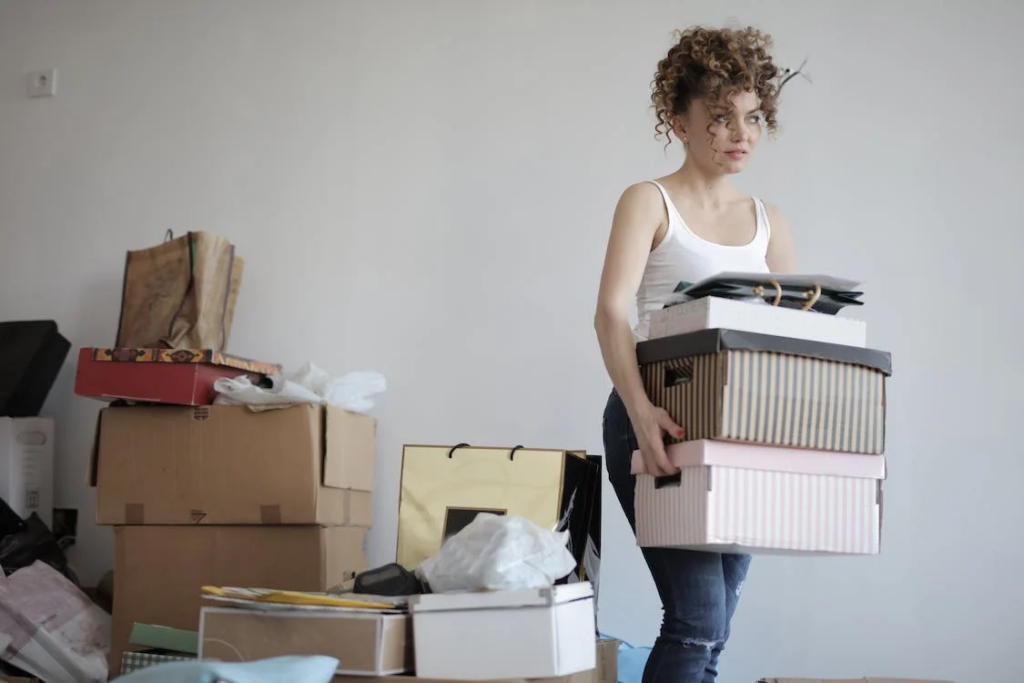
Photo by Andrea Piacquadio from Pexels
Dealing with the death of a loved one is always a challenging ordeal, and it can be even more overwhelming if the deceased was a hoarder. You’ve found yourself in a situation where you must navigate through a labyrinth of accumulated items, some of which might hold sentimental value while others are merely clutter. Many people have found themselves in your shoes, and it’s completely okay to feel overwhelmed and unsure of how to clean up after a hoarder dies.
In this article, we’ll guide you through the process of cleaning up after a hoarder. We’ll also provide you with a detailed strategy to sort through the possessions and tips on properly cleaning and sanitizing the home. Lastly, we’ll discuss handling the emotional aftermath once the clean-up is complete.
What is Hoarding Disorder
Hoarding is not about being messy or lazy; it is a complex mental health disorder that makes it difficult for individuals to part with possessions, regardless of their actual value. Many hoarders form emotional attachments to their items and believe that they may need them in the future.
The way this disorder impacts a person’s life can be overwhelming, and it often extends beyond just their living space. It can strain relationships, cause significant distress, and even threaten health or safety due to the excessive clutter.
This process is not just physically challenging but emotionally draining as well, as each item could potentially hold sentimental value for the deceased. It’s essential to approach this task with patience, empathy, and understanding, recognizing the deep-seated issues that underlie the clutter.
Formulate a Cleaning Strategy
Navigating how to clean up after a hoarder dies can be quite overwhelming when preparing oneself mentally to deal with the belongings of a loved one with a propensity for accumulating stuff.
Start by assessing the size and severity of the hoarding situation. If it’s a colossal task that seems overwhelming, consider seeking professional assistance. There are companies specialized in hoarder cleanups that are equipped with the right tools and trained personnel who can perform the task efficiently and safely. They’re also skilled in handling potentially hazardous materials that might be part of the hoard.
- Evaluate the space you’re going to clean. Take note of its size and layout, and identify any problem areas, stains, or clutter that require special attention.
- Break down the cleaning tasks into a logical order and prioritize them based on importance and efficiency.
- Make a checklist of the cleaning supplies and equipment needed for each task. Ensure you have the appropriate cleaning agents, tools, brushes, mop, vacuum, gloves, and safety gear.
- Define step-by-step cleaning procedures for each task. Be specific about how you’ll clean surfaces, which products to use, and any safety precautions.
Plan to dispose of trash and recyclables and identify items that can be donated or sold. It’s not a quick process, so break the task into manageable chunks. Work room by room, and within each room, section by section.
Cleaning and Sanitizing the Home
After you’ve sorted through their possessions, the next phase is to conduct a deep clean. Be prepared, you might encounter issues such as mold and pests. Mold mitigation should be your primary concern, as it’s not only harmful to the structure of the home, but it can also pose serious health risks. Professionals equipped with the right tools and knowledge can help you detect and treat any present mold.
- Hoarded spaces can pose health and safety risks due to mold, pests, fire hazards, and sanitation issues. Begin by addressing these immediate concerns, such as removing expired food, clearing pathways for safe movement, and improving ventilation.
- Work with a team to sort through items systematically. Categorize possessions into groups, such as:
- Keep items that are essential, valuable, or hold significant sentimental value.
- Donate/Sell items that are in good condition and can benefit others.
- Dispose of items that are damaged, unsafe, or no longer usable.
- Use clearly labelled boxes or bins for each category to maintain organization.
- Recognize that the cleaning process may take time and multiple sessions. Be patient and respectful of their stuff, allowing you to control the pace of decluttering.
Pest control is another crucial aspect of cleaning and sanitizing the home. Hoarding conditions can often invite pests such as rodents, insects, and even critters like raccoons. You’ll want to hire a pest control service to handle infestations, ensuring they’re completely and safely eradicated. It’s also important to clean and sanitize areas where pests are present to prevent diseases.

After Cleaning: Dealing with Emotional Aftermath
After the strenuous process of cleaning up a loved one’s hoarded home, you’re likely faced with a torrent of emotions. It’s important to acknowledge that grief and healing are a crucial part of this journey; it’s okay to grieve, remember, and seek help when needed.
Grief and Healing
Grief counseling can provide a safe environment for you to voice your feelings and navigate your emotions. It’s essential to understand that it’s okay to feel a wide array of emotions, from sadness to relief, anger to frustration, and even guilt. Moving towards emotional acceptance doesn’t mean forgetting your loved one or the situation, but rather acknowledging the reality of it and making peace with it.
- Seek professional grief counseling — A counselor can provide guidance, suggest coping mechanisms, and facilitate emotional acceptance.
- Attend support groups — It can be comforting to connect with others who have experienced similar situations.
- Practice self-care — It’s important to eat well, maintain physical activity, and ensure you’re getting enough rest.
- Express your feelings — Whether through writing, art, or talking to a trusted friend, giving voice to your emotions can be therapeutic.
- Give yourself permission to feel — It’s okay to experience a range of emotions during this time. Remember, there’s no right or wrong way to grieve.
Preventing Future Hoarding
Understanding the triggers and early signs of hoarding is the first step in Hoarding Prevention Methods. This could include a sudden increase in the number of items being stored, difficulty in organizing or discarding items, or noticeable distress when asked to clean or declutter. Seeking professional help, such as a psychologist or a professional organizer, can provide you with the necessary guidance and strategies to deal with potential hoarding situations.
- Understanding triggers and early signs
- Implement organizational strategies
- Regular decluttering
Remember, preventing hoarding is a journey, not a destination. It takes time, patience, and a lot of courage, but with the right support and strategies, it’s a battle you can win.
Conclusion
You’ve made it through a tough journey, and feeling a mix of emotions is okay. You’ve not only cleaned a physical space but also worked through a tangible part of your loved one’s life. If you ever feel tired or overwhelmed by how to clean up after a hoarder dies, our professional cleaners can help you tidy up, organize, and declutter your loved one’s things. Contact us today.