 PuroClean Certified Restoration Specialists
Mildew smell in home is a common issue that many homeowners face, and it’s not something you can just cover up with air fresheners. The key to truly eliminating it is by addressing the root cause—moisture. Common methods like opening windows to improve airflow, using natural deodorizers like vinegar or baking soda, and cleaning affected fabrics can go a long way in getting rid of the odor.
In this guide, we’ll walk you through several practical tips to eliminate mildew smell in home effectively. If you find that the smell persists despite your efforts, it may be time to consult a professional mold remediation service. Their expertise ensures the issue is resolved thoroughly, protecting your home and health.
What Causes Mildew Smell in Home?
Mildew smells in a home are often caused by hidden moisture, poor ventilation, or specific materials like fabrics or wood. If not addressed, it can become an ongoing problem. Here are some common causes of mildew smells:
- Poor Ventilation – Stale, damp air caused by inadequate airflow allows moisture to linger, creating ideal conditions for mildew growth.
- High Indoor Humidity – Humidity levels above 60% contribute to moisture buildup, encouraging mildew to form and produce that musty scent.
- Water Leaks – Leaking roofs, pipes, or appliances can create damp spaces where mildew thrives unnoticed.
- Damp or Wet Fabrics – Wet towels, rugs, or clothing left unwashed or unventilated quickly develop mildew and give off an odor.
- Clogged HVAC Systems – Moisture buildup in air conditioning units or ducts can spread mildew smells throughout the house.
- Unsealed Crawl Spaces or Basements – These dark and moist areas, if not properly insulated or ventilated, often harbor mildew and its accompanying smell.
Why Is It Important to Eliminate Mildew Smell Instead of Masking It?
Eliminating the mildew smell is crucial because masking it does not solve the actual problem—it only hides the symptoms. Mildew can indicate underlying moisture issues that may damage your home’s structure and air quality. It also poses health risks, especially to those with allergies, asthma, or respiratory conditions. Air fresheners may temporarily cover the odor, but they don’t stop mildew from spreading. Addressing the root cause helps maintain a healthy living space, prevents future mold outbreaks, and ensures your home smells fresh naturally without relying on chemical scents or artificial sprays.
Effective Tips to Get Rid of Mildew Smell in Home
Mildew smells can be persistent, but there are several ways to get rid of them. By addressing both the odor and the moisture causing it, you can create a healthier, fresher home. Below are six effective tips to tackle mildew smells:
1. Increase Air Circulation
Enhancing airflow is key to removing and preventing mildew smells. Open windows and doors regularly to let fresh air in and allow trapped moisture to escape. Use exhaust fans in bathrooms and kitchens, and set up box fans or ceiling fans to improve circulation. For tight spaces like closets, install louvered doors or vents. Good airflow helps dry damp areas, preventing mildew from forming and stopping odors from settling in. This simple but powerful change can transform stuffy, musty rooms into breathable and fresher spaces quickly and naturally.
2. Use Natural Deodorizers
White vinegar and baking soda are excellent natural solutions for tackling mildew smells. Vinegar’s acidity kills mildew spores while baking soda absorbs unpleasant odors. Spray vinegar directly onto surfaces, allow it to sit for an hour, then wipe clean. For fabrics or carpets, sprinkle baking soda generously, let it sit overnight, and vacuum thoroughly. These non-toxic remedies are safe for your home and the environment. Using natural products helps remove the source of the smell rather than covering it, making your living space cleaner and healthier long-term.
3. Wash and Dry All Affected Fabrics
Mildew clings to porous materials such as towels, curtains, bed linens, and clothing. To remove the smell, wash all affected fabrics in hot water with a cup of vinegar or baking soda added to the detergent. For severe cases, pre-soak in a vinegar solution before washing. Make sure to dry everything completely—preferably in direct sunlight, which also helps kill mildew spores. Refrain from storing damp laundry or leaving wet towels in piles. Properly cleaning and drying fabrics stops mildew at its source and prevents the odor from returning.
4. Clean Surfaces with Disinfectants
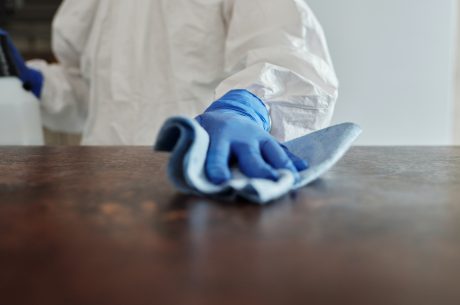
Wiping down hard surfaces with effective disinfectants is a must. Use a solution of water and either vinegar or hydrogen peroxide to scrub areas like tile, grout, walls, and windowsills where mildew may grow. Focus on corners, under sinks, and behind appliances. After cleaning, dry the surface thoroughly to stop mildew from regrowing. This method not only removes the musty odor but also eliminates spores, helping ensure the mildew doesn’t return. Keeping these areas consistently dry and clean can dramatically improve your home’s air quality and freshness.
5. Control Indoor Humidity
Keeping your home’s humidity levels below 50% can prevent mildew from ever forming. Use a dehumidifier in humid areas like basements, bathrooms, and laundry rooms. Keep an eye on condensation buildup on windows and pipes—if present, use insulation or increase ventilation. Use moisture absorbers like charcoal bags or silica gel packs in enclosed areas. Consider adding a humidity monitor to track levels easily. Proper moisture control is one of the most proactive ways to prevent musty smells and create an environment where mildew can’t survive or spread.
6. Hire a Professional Mold Remediation Service
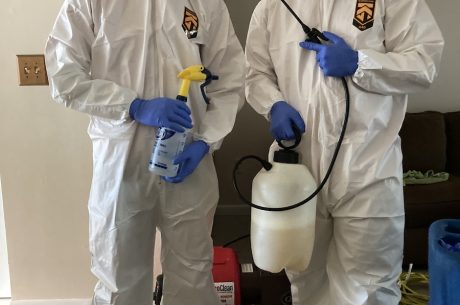
When mildew odor persists despite your best efforts, it’s time to call in the pros. A certified mold remediation service can detect hidden mold in walls, crawl spaces, or HVAC systems using specialized tools. They’ll safely remove affected materials and sanitize the area using industrial-grade solutions and techniques. Professionals can also help with mold odor removal, ensuring that the smell is fully eradicated. Hiring experts not only ensures thorough cleanup but also protects your family’s health and home structure. This investment can save time, money, and frustration by fully resolving the issue the first time.
Frequently Asked Questions

Image by Изображения пользователя Светлана Парфентьева on Canva
Can mildew smell affect my health?
Yes, prolonged exposure to mildew and mold can negatively impact your health, particularly for those with respiratory conditions like asthma or allergies. It can cause symptoms such as coughing, sneezing, and difficulty breathing. Mold removal and moisture control are important steps in ensuring a healthy living environment and preventing health complications.
How long does it take to get rid of the mildew smell?
The time it takes to eliminate a mildew smell depends on the extent of the problem and how quickly the moisture source is addressed. In many cases, you can notice a significant improvement within a few days by increasing ventilation, cleaning surfaces, and using natural deodorizers. Persistent odors may require professional mold remediation.
How can I prevent the mildew smell in home from returning?
To prevent mildew smell in home from returning, address moisture issues promptly. Regularly clean and dry affected areas, maintain good ventilation, and control humidity levels. You may also want to inspect plumbing and roofing for leaks, as they can introduce moisture. By managing these factors, you can keep your home mildew-free and fresh.
Conclusion
Eliminating mildew smell in home involves addressing the root cause—moisture. By improving ventilation, using natural deodorizers, and properly cleaning fabrics and surfaces, you can effectively rid your home of unpleasant odors. If the problem persists, professional mold remediation services can help resolve the issue and ensure a healthier living environment.
If you’re struggling with persistent mildew odors, PuroClean Zephyrhills can help. Our mold remediation services, including mold odor removal, ensure a thorough and lasting solution. Contact us today to protect your home and family from the harmful effects of mold.
 PuroClean Certified Restoration Specialists