


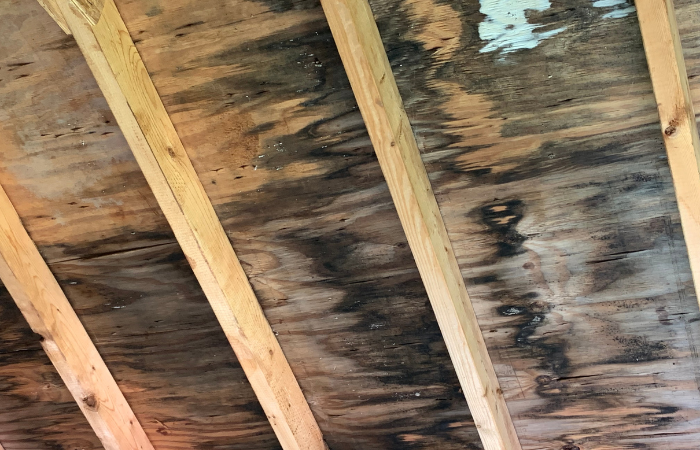
Attic mold is a common problem, and it can be difficult to remove. It’s important to understand the cause of attic mold and how to properly remove and prevent it from occurring in your home. It’s not always easy dealing with attic mold – but there are ways that you can manage it safely and efficiently.
In this article, we’ll discuss the causes of attic mold growth and look at how to effectively remove existing attic mold. We’ll also explore strategies for preventing future occurrences of attic mold on plywood surfaces. With these tips, you’ll quickly have the upper hand against any household molds that threaten your family’s health or safety. Let’s get started by examining what attic mold really is.
What Is Attic Mold?
Attic mold is a type of fungus that can grow in damp, moist areas. It’s important to understand the definition and characteristics of this type of mold growth so you can take steps to prevent or remove it from your plywood. Mold infestations are common in attics because they provide an ideal environment for spores to thrive – warm temperatures and plenty of organic matter like wood or insulation.
Mold colonies come in a variety of shapes, sizes, and colors but generally appear furry or slimy on plywood surfaces. These colonies will typically start out small and spread quickly if left unchecked. The key to preventing attic mold growth is proper ventilation, moisture control, and keeping debris clear from areas where spores could accumulate. However, if the infestation is already severe, you will likely need to call for professional mold removal and remediation.
Causes of Mold Growth in Attics
Mold growth in attics is caused by several factors. Generally speaking, mold needs moisture and an environment conducive to its growth. Here are some of the most common factors that can contribute to the growth of mold in attics:
- Moisture: Excess moisture is the primary cause of mold growth. Attics can become moist due to a variety of reasons, such as roof leaks, improper ventilation, condensation, or high humidity levels. When moisture is present, it provides the perfect environment for mold spores to settle and grow.
- Poor Ventilation: Inadequate ventilation in the attic can trap moisture and prevent proper air circulation. Without proper airflow, moisture levels can increase, leading to mold growth.
- Roof Leaks: Leaking roofs allow water to penetrate into the attic, leading to damp conditions and mold growth. Regular inspection and maintenance of the roof are essential to prevent leaks.
- Improper Insulation: Insufficient or improperly installed insulation can result in condensation buildup. Condensation generally happens when warm, moist air comes into contact with cold surfaces, such as the underside of the roof deck. This condensation can contribute to mold growth.
- High Humidity Levels: High humidity levels in the attic can create a favorable environment for mold growth. Humidity can be caused by various factors, such as inadequate ventilation, improper insulation, or moisture from other parts of the house that migrate to the attic.
- Plumbing or HVAC Issues: Plumbing leaks or problems with the HVAC system can introduce moisture into the attic, promoting mold growth.
Signs of Mold Infestation
Before we delve into removing and preventing attic mold on plywood surfaces, let’s first familiarize ourselves with the signs of mold infestation. Identifying these signs early on can help you take prompt action to address the issue. Here are some common signs of mold in attics:
– Visual Clues: Look for visible signs of mold growth on plywood surfaces or other materials in the attic. Mold colonies can appear as black, green, brown, or white patches. They may appear fuzzy, slimy, or powdery in texture.
– Musty Odor: Mold often produces a distinct musty smell. If you notice an unpleasant, earthy odor in your attic, it could indicate the presence of mold.
– Discoloration: Mold growth can cause discoloration on plywood, drywall, or other surfaces. Pay attention to any dark or stained areas in the attic.
– Water Stains or Damage: Water stains or signs of water damage, such as watermarks, damp spots, or peeling paint, can suggest a moisture problem that may contribute to mold growth.
– Allergic Reactions or Health Issues: Mold can cause several health issues. If you or your family members experience persistent allergic reactions, such as sneezing, coughing, itchy eyes, or respiratory problems when spending time in or around the attic, mold could be a possible culprit.
– Warped or Damaged Wood: Mold can cause wood to warp, rot, or decay. Inspect the plywood surfaces in your attic for any signs of deterioration.
If you notice any of these telltale signs, you must take action promptly to remove the mold and address the underlying moisture issue to prevent further growth. Now, let’s move on to discussing how to effectively remove and prevent attic mold on plywood surfaces.
How to Remove Mold from Attic Plywood
When it comes to removing mold from plywood surfaces, it’s essential to prioritize safety and thoroughness. Here’s a step-by-step guide to help you remove mold effectively:
1. Safety Precautions:
- First things first, wear protective gear, such as gloves, goggles, and also mask, to prevent direct contact with mold spores and inhalation.
- Ensure proper ventilation in the attic by opening windows or using fans to circulate air.
2. Identify the Extent of the Infestation:
- Inspect the plywood surfaces to determine the scope of the mold growth. If the affected area is larger than ten sq. ft., or if you’re dealing with toxic mold, it’s advisable to seek professional help.
3. Contain the Area:
- Seal off the affected area with plastic sheets so you can prevent the spread of mold spores to other parts of your home.
- Use tape to secure the sheeting and create a barrier.
4. Remove Mold-Infested Materials:
- If the mold has deeply penetrated the plywood or if it is extensively damaged, it may be necessary to remove and replace the infested plywood.
- Carefully remove any mold-infested materials, such as insulation, drywall, or carpeting, ensuring they are properly bagged and sealed.
5. Clean the Plywood Surface:
- Mix a solution of water and any mild detergent.
- Use a sponge or a scrub brush to gently clean the moldy plywood surface with the detergent solution.
- Thoroughly rinse the plywood with clean water and allow it to dry completely.
6. Disinfect the Area:
- Once the surface is completely dry, apply a mold-specific disinfectant or create a solution by mixing one part bleach with ten parts water. Use this solution to treat the plywood surface.
- Apply the disinfectant or bleach solution using a spray bottle or sponge, ensuring complete coverage.
- Allow the disinfectant to sit on the surface for the recommended time specified by the product instructions.
7. Dry the Area:
- Use fans or dehumidifiers to aid in drying the plywood and preventing moisture buildup.
- Ensure that the attic has proper ventilation to prevent future mold growth.
8. Monitor the Area:
- Regularly inspect the attic for any signs of recurring mold growth or moisture issues.
- Address any sources of moisture, such as leaks or inadequate ventilation, to prevent mold from returning.
- Remember, if you’re dealing with a large or severe mold infestation, it’s best to consult with a professional mold remediation specialist to ensure safe and effective removal.
How to Prevent Mold on Plywood
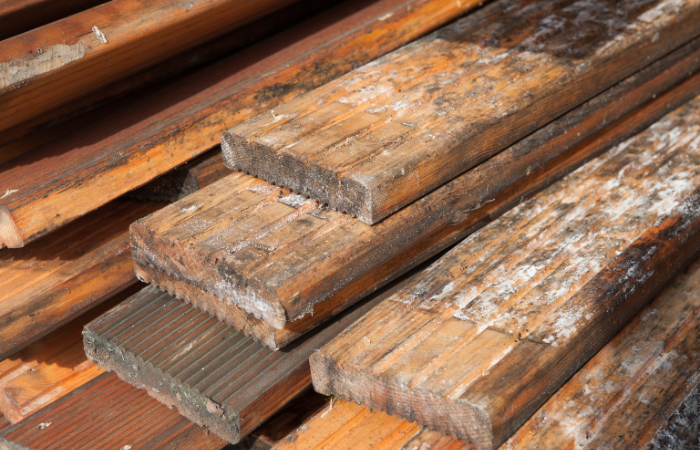
Now that you know how to remove mold from your plywood in the attic, it is important to learn prevention strategies. These will help ensure that mold does not return and cause more damage or health risks associated with exposure. The following tips are essential for preventing attic mold growth:
- Proper ventilation of the attic should be ensured at all times. Without adequate air circulation, moisture can build up and create an ideal environment for molds to grow on wood surfaces like plywood. You should also ensure that there are no obstructions blocking the vents and fans. Additionally, check the insulation regularly to make sure it is functioning properly so that outside temperatures do not enter the attic space and create unwanted condensation.
- Controlling moisture levels is key for preventing mold growth on any surface, such as plywood in an attic. A dehumidifier can be used to regulate humidity levels if necessary as long as preventative measures have been taken first (proper ventilation). Regularly checking windows, sills, and other areas prone to water infiltration is also recommended since these spots can form pools that promote fungal development when left unchecked.
- Regular cleaning of the area with soap and warm water may help reduce mold spores in the atmosphere. Vacuum carpets thoroughly, too, because this will get rid of dust particles where mold spores might settle on them over time. If possible, open windows while doing this activity so fresh air can flow into the room and keep away musty smells caused by dampness or fungus growing inside walls or floors due to inadequate ventilation/moisture control methods.
- Inspect the attic regularly. We all know that this place isn’t always the one we usually visit, but it’s crucial to inspect the attic regularly to catch any signs of moisture or mold growth early on. Some key areas you need to focus on during your inspections are leaks, humidity levels, ventilation, insulation, and condensation. Then, you should also make sure to keep the attic clean, address any exterior issues, and maintain gutters and downspouts.
By regularly inspecting the attic and addressing any potential issues promptly, you can significantly reduce the risk of mold growth on plywood surfaces. Remember, prevention is still key to maintaining a healthy and mold-free environment.
Health Risks Associated with Exposure
Attic mold is a serious issue that should not be ignored. Exposure to the spores from attic mold can have negative effects on your health, so it’s important to take steps to prevent and remove any existing mold found in plywood in attics. Some of the potential health risks associated with exposure include:
- Mold allergies – People who are sensitive to mold may experience difficulty breathing, coughing, sneezing, and other respiratory symptoms after coming into contact with attic mold spores. In extreme cases, people may even develop asthma or severe allergic reactions like anaphylaxis.
- Exposure-related illnesses – Long-term exposure to high levels of airborne mold particles can increase the risk of developing certain medical conditions such as pulmonary fibrosis or hypersensitivity pneumonitis.
- Infections – Certain types of indoor molds produce mycotoxins which can cause infections if inhaled over long periods of time. This type of infection usually affects individuals with weak immune systems, such as infants and elderly people.
It’s essential that you identify and address any issues related to attic mold growth promptly before they become more serious problems for yourself and your family’s health. If you believe that you or your family has been exposed to mold and have been experiencing symptoms, we recommend you go to your healthcare provider as soon as possible.
Final Thoughts
Preventing and removing mold from attic plywood can seem like a daunting task, but it doesn’t have to be. With the right knowledge and tools, you can get rid of any existing issues with ease. To ensure that your problem does not return, always keep an eye out for signs of infestation and take steps to prevent future growth.
If you need help with mold remediation, don’t hesitate to contact PuroClean Zephyrhills. We have a team of experts that can efficiently detect and eliminate mold infestation. Contact us today!