 PuroClean Certified Restoration Specialists

Key Takeaways
- Mold hives can look like other allergies, but symptoms often get worse indoors and improve when you leave the house.
- Unlike seasonal allergies, mold exposure can happen year-round and is usually linked to moisture and humidity inside the home.
- Common signs of mold include musty odors, visible discoloration, past water damage, and health symptoms that flare up indoors.
- Scrubbing mold yourself can make symptoms worse by releasing more spores into the air.
- Professional mold inspection and remediation is the safest way to protect your health and prevent mold from spreading in your Zephyrhills home.
Have you ever developed itchy red bumps after spending time indoors and wondered what caused them? You may be experiencing mold hives, a skin reaction triggered by exposure to mold spores. These hives can look and feel similar to reactions from pollen, pet dander, or dust mites, making it hard to figure out the real cause.
Knowing the difference between an allergic reaction to mold and other common allergies can help you stay healthy and keep your home safe. In this blog, we’ll explain what mold hives are, how they differ from other allergies, what signs to look for in your Zephyrhills home, and what steps to take if you suspect mold may be the problem.
What Are Mold Hives?
Mold hives are an allergic skin reaction that appears after being exposed to mold spores. These hives typically show up as red, itchy welts or bumps on the skin. For some people, they can appear within minutes of exposure, while for others, the reaction might take hours. Mold hives are your body’s way of responding to an allergen it sees as a threat.
Unlike a rash caused by touching mold directly, mold hives can happen just by breathing in airborne spores. These spores can be floating around in areas with hidden moisture problems, like behind walls, under sinks, or inside air ducts.
Common symptoms of mold hives include:
- Raised, itchy red bumps or welts
- Burning or tingling sensation on the skin
- Swelling in the affected area
- Symptoms that get worse indoors and improve outside
If these signs keep showing up, especially in certain areas of your home, mold could be the cause.
Mold Exposure vs. Seasonal Allergies
If you’re dealing with skin irritation or breathing issues at home, you might be wondering if it’s just seasonal allergies or something more serious, like mold hives. While the symptoms may seem alike, the causes and timing can be very different. Understanding the distinction can help you figure out what’s really triggering your discomfort.
| Category | Mold Exposure | Seasonal Allergies |
| Timing | Year-round, especially in damp or humid indoor spaces. | Occurs during certain seasons when pollen counts are high. |
| Location | Symptoms worsen indoors, particularly in mold-prone areas like bathrooms or basements. | Symptoms flare up outdoors, often improving inside. |
| Triggers | Mold spores from leaks, high humidity, or poor ventilation. | Airborne pollen from grass, weeds, or trees. |
| Symptoms | Can include mold hives, skin irritation, sinus pressure, fatigue, or musty odors. | Usually cause sneezing, itchy eyes, nasal drip, or sore throat. |
If you notice recurring mold hives or other allergic symptoms that go away when you leave your home, mold could be hiding somewhere inside. Knowing the signs can help you take steps to protect your health and air quality.
Common Signs of Mold in Your Zephyrhills Home
Zephyrhills is warm and sunny, but the high humidity can add extra moisture to your home. When areas stay damp, mold can start to grow. Mold can damage your home and may also cause health problems like mold hives. If you feel sick at home or notice a musty smell, mold could be the reason.
Here are signs to look for, and when it may be time to consider professional mold removal in Zephyrhills to keep your home safe and healthy.
- A Persistent Musty Smell
One of the earliest and most common indicators of hidden mold is a musty or earthy odor. This smell is especially noticeable in enclosed areas like closets, under sinks, or near your HVAC system. Even if you don’t see mold, the scent may suggest it’s growing behind walls or under flooring. - Visible Mold Growth or Discoloration
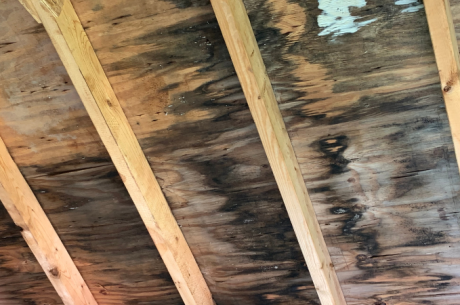
Mold can appear in many colors, including black, green, white, or even orange. You might find it on bathroom tiles, ceilings, baseboards, or drywall. In homes around Zephyrhills, where summer storms and humidity are common, these patches can quickly spread if not addressed. - Past Water Leaks or Flooding
If your home has experienced water damage from a leaky pipe, roof issue, or flooding, you should be especially alert for mold. Even after the surface looks dry, moisture can remain trapped in walls, floors, or insulation, allowing mold to grow unseen. - Health Symptoms That Get Worse Indoors
Do your symptoms improve when you’re away from home? Mold spores in the air can cause sneezing, nasal congestion, coughing, and skin reactions like mold hives. These signs often get worse in mold-affected areas of the house and improve when you’re outside or in a different location. - Peeling Paint or Warped Walls
If your walls or ceilings are starting to bubble, warp, or peel, it could mean moisture is seeping in behind them. This not only damages your home’s structure but also creates the perfect environment for hidden mold to thrive.
These issues might seem small at first, but they can grow into major problems for both your home and your health. That’s why it’s important to investigate the source and call in professionals if you suspect mold is present.
What to Do If You Suspect Mold Hives or Mold Allergies
If you think mold might be causing your symptoms, especially if you’re getting skin irritation like mold hives, it’s important to take action quickly. Mold can grow fast, and the longer it’s in your home, the more damage it can cause to your health and property.
- Pay Attention to Your Symptoms
If your skin itches, you break out in hives, or you have trouble breathing at home, mold could be the reason. Try to notice if your symptoms get better when you leave the house. That’s a strong sign that the problem may be inside. - Check Damp or Humid Areas
Look in places like the bathroom, kitchen, attic, or basement. Mold often grows in dark, damp spots. If you see black or green patches or smell a musty odor, mold might be present. - Don’t Try to Clean It Yourself
Scrubbing mold can release more spores into the air, which makes things worse, especially if you already have mold allergies or mold hives. Small areas might be cleaned safely, but larger or hidden problems need expert help. - Call a Professional Mold Remediation Team
Certified restoration specialists have the right tools to find and remove mold safely. They check for hidden mold, fix moisture problems, and make sure your home is safe again. Getting help early can protect your health and prevent further damage.

Frequently Asked Questions
Will antihistamines help with mold hives?
They might help relieve the itching or swelling, but they don’t treat the root cause. You’ll still need to remove the mold from your home to stop the allergic reaction.
Is mold a common problem in Zephyrhills homes?
Yes. The warm, humid climate in Zephyrhills creates the perfect conditions for mold growth, especially in homes with poor ventilation or past water damage.
What should I do if I see mold but don’t have any symptoms?
Even if you feel fine, mold should still be removed. It can cause damage to your home and may still affect others in your household. It’s best to have it inspected and properly cleaned to prevent future problems.
Conclusion
If you’ve been dealing with unexplained skin irritation, allergy-like symptoms, or frequent flare-ups of mold hives, it might be time to take a closer look at your home. Mold can be sneaky, often growing in hidden areas while quietly affecting your health and comfort. By knowing the signs and understanding how mold exposure differs from other allergies, you can take smart steps to protect your home and your well-being.
Don’t wait until a small issue becomes a big problem. If you suspect mold in your Zephyrhills home, trust the experts at PuroClean Zephyrhills to help. Our certified team can inspect, detect, and remove mold safely and thoroughly, giving you peace of mind and a healthier living space. Contact us today to learn more!

 PuroClean Certified Restoration Specialists