


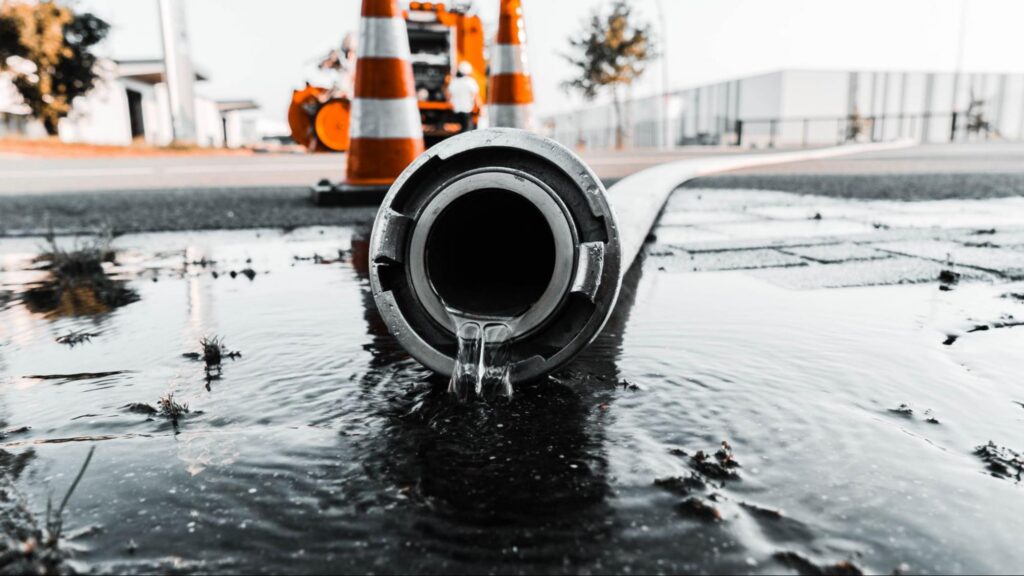
The truth is that sewage backup is a surprisingly common problem in most homes. This issue can strike at any time, whether it be due to clogged pipes, heavy rains, or simply age-old plumbing systems. Fortunately, solutions are available to help homeowners mitigate the effects of these terrible disasters.
It’s every homeowner’s nightmare… sewage backing up into your home! The horror of raw sewage flooding the walls, floors, and furniture is enough to make anyone sick. But what should you do when it occurs? How can you stop or prevent the damage from getting any worse?
Causes Of Sewage Backup
A sewage backup is a major problem that can cause considerable damage to your home and belongings. It’s important to understand what causes this issue so you can take the correct steps to avoid it.
The most common source of this problem is an obstruction in the main sewer line or one of the lines from each plumbing fixture. Tree roots may cause this blockage, broken pipes, grease buildup, collapsed pipes, or other debris. If your town has an aging infrastructure, there could be a breach in its system which would lead to backups into homes connected to it.
It’s also possible for flooding outside the home to back up through sewers and broken toilets due to pressure changes inside the pipe systems when water levels rise rapidly during periods of heavy rain or snowmelt. To prevent these issues from occurring regularly, inspect your plumbing regularly and keep gutters and downspouts clear of any debris that could impede drainage.
Understanding what causes the backup is essential for preventing costly repairs and protecting yourself from potential health risks associated with exposure to contaminants found in wastewater. Taking proactive measures like inspecting plumbing fixtures and keeping gutters free of debris will help reduce your risk of dealing with such issues.
Signs Of Backup
A sewage backup is one of a homeowner’s most horrifying experiences. It’s an unanticipated nightmare, erupting suddenly and wreaking havoc on your property – and it’s not something you want to experience! But recognizing the signs in time can help minimize the damage and expense of this invasive problem.
- A visible pool of water or sludge in or around your home could indicate that you have sewer line problems causing backups inside your house.
- You may also notice odors from drains such as toilets, sinks, baths, tubs, or showers. These smells indicate that waste products aren’t properly disposed of through the sewer system. When these two warning signs occur together—water seeping indoors and foul-smelling odors—you likely have serious plumbing issues.
- Another way to identify potential problems with your sewer lines is by monitoring for any changes in water pressure when running multiple fixtures at once. If your shower stalls become more difficult to drain while someone else flushes a toilet elsewhere in the house, this could mean trouble due to clogged pipes or blockages within the main sewer line itself.
- Any noticeable differences in water flow should be taken seriously and addressed immediately before they lead to major wastewater issues.
It pays to stay alert for all these telltale symptoms; knowing what red flags to look out for can save homeowners plenty of frustration (and money) when dealing with sewage jams.
Health Risks
Statistics show that sanitary sewer overflow affects over 23,000 to 75,000 residents in the US annually. It can cause serious health risks, making it critical to know how to deal with it when it happens.
- The most common and immediate risk of this problem is its unsanitary nature. Raw sewage contains dangerous pathogens like viruses, bacteria, parasites, and fungi that can spread disease if exposed to humans or pets. Symptoms that come from these microorganisms include nausea, vomiting, diarrhea, abdominal pain, skin rashes, and infections. In rare cases, it can even lead to life-threatening illnesses such as meningitis or sepsis.
- Inhaling air contaminated with raw sewage vapors can also be harmful due to aerosolized particles containing hazardous toxins and gases. People who have respiratory conditions should especially take caution as breathing this type of air could make symptoms worse or cause lung damage.
Homeowners need to understand the potential dangers associated with a sewage blockage so they’re prepared when one occurs at their property. Taking action quickly will help minimize any health risks caused by exposure.
How To Clean Up
Although sewage overflow can be a distressing experience, there is hope. With the right steps and safety precautions, you can clean up the mess and restore your home or property with minimal stress. Like ripping off an adhesive bandage, it’s best to start this process quickly— let’s dive in!
- When cleaning up after a sewage stoppage incident, make sure you take all necessary safety measures first. Wear gloves, boots, long pants, and long sleeves while disposing of contaminated items and any materials used for cleanup activities. It’s also important to protect yourself from airborne pathogens by wearing a respirator if possible.
- With these safety protocols in place, the next step is to remove the standing water using a wet/dry vacuum cleaner or sump pump. After that, use hot soapy water to scrub down affected surfaces like walls and floors; disinfect them with a cleaning solution (1 part bleach to 10 parts of water). Also, dispose of any furniture or carpets that were exposed to raw sewage correctly through hazardous waste disposal services.
By following these guidelines for cleaning up after a sewage blockage incident, you are taking proactive steps toward restoring order in your space while ensuring everyone’s health and well-being. Now that we have handled cleanup efforts let’s learn how to prevent future backups.
How To Prevent
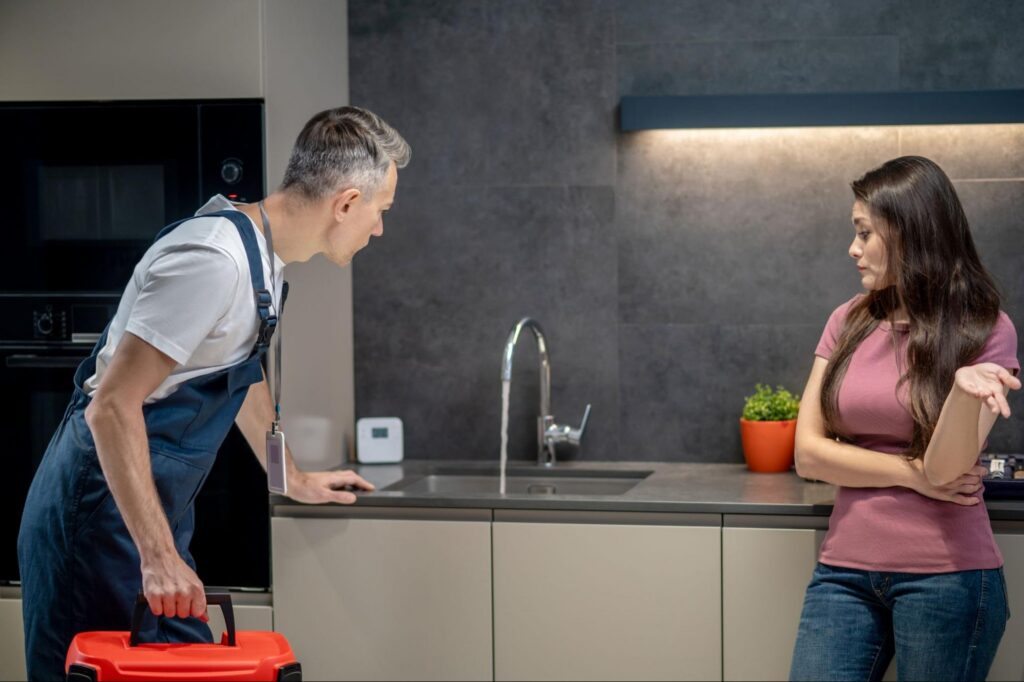
When it comes to prevention, there are a few steps you can take. Make sure to follow these tips to prevent blockage in your sewer effectively:
- Ensure the pipes in your home are properly maintained and checked annually by professional restoration services. This helps ensure that any blockages or potential problems can be spotted before they become an issue.
- Check your home’s drainage system regularly for signs of clogs or buildup, which could lead to serious issues.
- Keep tree roots away from your sewer lines; these can cause major damage if left unchecked.
In addition to regular maintenance checks and inspections, you should consider investing in preventative products such as backwater valves or sump pumps. These devices help protect against overflowing sewers and redirect water away from your property. Installing check valves on each drain outlet will stop wastewater from backing up into other drains in the house.
Conclusion
Sewage backup can be overwhelming for homeowners. It is vital to take the necessary steps to avoid it from happening in the first place by regularly inspecting and servicing your plumbing system. However, if you experience a sewage blockage, you must act quickly and safely to clean up the mess and protect yourself and your family from potential health risks. The job may seem challenging at first, but with proper precautions—and maybe even some help from friends or family—you can tackle this issue “head-on” without too much hassle.
So don’t let sewage stoppages bring you down; use them to learn how to better care for your home’s plumbing system! If you need professional property restoration, PuroClean of Zephyrhills has the right people and tools to do the job. Contact us today so we can take care of your property restoration needs.