


By reading this article, you’ll learn everything you need to know about fire safety when it comes to candles–from what to do if a candle catches fire to prevention techniques and extinguishing tactics. With just a few easy steps, you, too, can become an expert in preventing candle-related fires while enjoying your favorite scents or keeping a calming ambiance in your home.
The truth is, candles, while beautiful and soothing, pose a significant fire hazard if not handled with caution. The serene atmosphere they create can swiftly transform into a nightmare scenario, engulfing your home in a destructive inferno. The combination of an open flame, flammable materials, and a momentary lapse in attention can spell disaster. Without the proper knowledge on what to do if a candle catches fire, a small flame can quickly escalate into a full-blown catastrophe.
Basics of Fire Safety
Fire safety basics are important to understand so that you can be prepared in case of an emergency and prevent severe fire and smoke damage. It’s the set of practices and measures designed to prevent fires, minimize the risks associated with fires, and ensure the safety of individuals and property in the event of a fire. Here are some basic principles and guidelines for fire safety:
1. Fire Prevention
- Keep the environment clean and free from flammable materials.
- Store flammable substances in designated areas, away from ignition sources.
- Maintain proper electrical installations and avoid overloading electrical circuits.
- Regularly inspect and maintain heating systems, chimneys, and electrical appliances.
- Avoid smoking in restricted areas and properly extinguish cigarettes.
2. Fire Detection and Warning
- Install smoke detectors on each floor of your property and in key areas such as bedrooms and living rooms.
- Test smoke detectors regularly and replace batteries as needed.
- Install fire alarms and make sure they are in working condition.
- Educate inhabitants on recognizing the sound of fire alarms and the appropriate response.
3. Emergency Planning
- Develop an emergency evacuation plan with clear escape routes and meeting points.
- Conduct fire drills periodically to ensure that everyone knows what to do in case of a fire.
- Assign responsibilities to individuals for tasks such as calling emergency services or assisting those with special needs.
- Keep emergency phone numbers, including the local fire department, easily accessible.
4. Fire Suppression
- Install fire extinguishers in easily accessible locations and ensure they are suitable for the specific type of fire (e.g., Class A, B, C, or ABC).
- Train individuals on how to use fire extinguishers correctly.
- Have fire blankets available for smothering small fires, particularly in kitchens.
- Instruct occupants on how to safely shut off gas and electricity in the event of a fire.
5. Building Design and Maintenance
- Ensure that buildings comply with fire safety codes and regulations.
- Regularly inspect and maintain fire safety systems, including sprinklers, fire doors, and fire escapes.
- Keep fire exits unobstructed and clearly marked with illuminated exit signs.
- Provide adequate fire-resistant barriers and compartmentalization to prevent the spread of fire.
6. Education and Training
- Educate individuals about fire safety, including fire hazards, prevention strategies, and appropriate response actions.
- Train employees in fire safety protocols in the workplace.
- Teach children basic fire safety practices, including how to respond to fire alarms and the dangers of playing with fire.
Candle Safety Tips
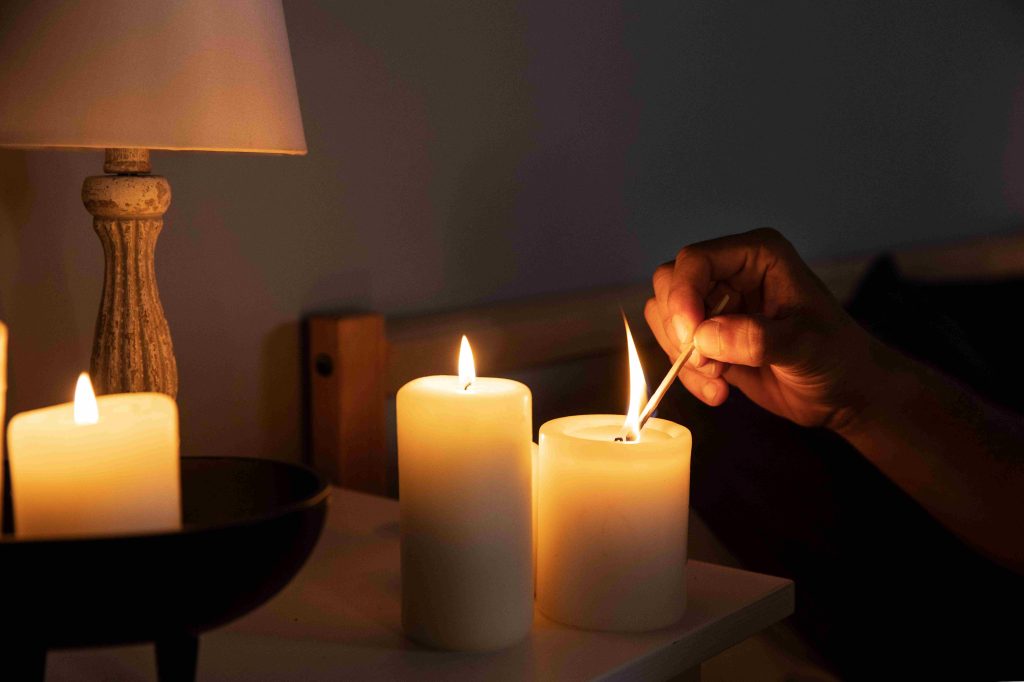
Candle safety should be taken seriously, as a candle is an open flame. To ensure the utmost fire safety while using candles, there are several rules and precautions one must follow.
– First, it’s important to pay attention to where you place your candles.
– Candles should never be left unattended or too close to flammable items like curtains or furniture. Keep them away from children and pets for their protection.
– Try not to place them in high-traffic areas that could lead to accidental knocks over the burning candle.
– When trimming wicks prior to lighting, take caution that they do not become too short – no more than 1/4 inch long is recommended – as this can cause excess smoke in addition to being a potential fire hazard.
– It’s also wise to avoid leaving a lit candle near any sort of air draft like an open window or fan; drafts have been known to spread flames beyond control quickly.
– When blowing out a candle, make sure all parts of the flame have been extinguished by covering it with a snuffer rather than just blowing on it, which can disperse embers and sparks into nearby objects that may catch fire.
Extinguishing Tools and Techniques
In any home or business setting, having a properly maintained fire extinguisher on-hand is essential for putting out small fires quickly. Fire extinguishers are usually classified as A, B, C, D, or K types and should be marked clearly with instructions. Most common residential settings require an ABC type which is effective against all kinds of combustible materials such as paper, wood and plastics. Flame retardants like baking soda can also help to smother flames by removing oxygen from the burning area.
When dealing with larger fires, heat sensors can detect where there may be hidden pockets of heat and smoke that could otherwise go undetected until it’s too late. Heat sensors provide early warning signs when temperatures exceed safe levels so people can take appropriate measures before evacuating if necessary. Additionally, they will send an alert directly to authorities who can dispatch firefighters more efficiently than ever.
Signs a Candle Has Caught Fire and What to Do if a Candle Catches Fire
It’s important to know the signs of a candle fire, so you can respond quickly and safely. Here are some common warning signs:
1. Smoke
If you see smoke coming from the wick or elsewhere around the candle, it’s time to act fast! Don’t wait for flames; as soon as you detect smoke from your candle, take steps to put out the flame or evacuate.
2. Soot Buildup
This is one of the most obvious indicators that something isn’t right with your candle – if there’s significant black buildup on the glass container, don’t hesitate to extinguish the flame or leave immediately.
3. Unusual Odors
Pay attention to any unusual smells connected with your burning candles – this could be an indicator of potential danger.
Fire safety starts with awareness and prevention – pay close attention to these key fire detection signs associated with candles to protect yourself and those around you. When it comes to responding appropriately at first sight of any of these signs, remember that swift action is crucial for minimizing risk and damage related to a candle fire. As such, once you identify any suspicious activity related to your burning candles, make sure to follow proper evacuation procedures promptly for maximum safety.
Evacuation Procedures
Evacuation procedures are a vital part of emergency preparedness, ensuring the safe and organized evacuation of individuals from a building or area in the event of a fire, natural disaster, or other emergency situations. Here are some general guidelines for evacuation procedures:
Emergency Plan
To ensure the safety of occupants during an emergency, it is crucial to develop a tailored emergency evacuation plan for your specific building or location. You should develop an emergency evacuation plan specific to your building or location. Take into account the layout, number of occupants, and potential hazards.
Identify primary and alternative evacuation routes for each area of the building and designate assembly points or safe locations outside the building where occupants should gather after evacuating. When developing the emergency plan, you should also assign specific roles and responsibilities to designated personnel, including floor captains and people in charge of the evacuation process.
Emergency Alarms and Notifications
Effective emergency alarms and notifications are essential for alerting occupants and ensuring a prompt response during an emergency situation. Install and regularly maintain fire alarms and other emergency notification systems throughout the building. These alarms should be audible, easily recognizable, and understood by all occupants, ensuring that they can quickly recognize the sound and associate it with the need for immediate action.
Establish a clear communication system to relay emergency information to occupants, whether through public address systems, text alerts, or designated personnel. Clear and concise communication is crucial in providing occupants with instructions and updates during evacuation.
Evacuation Procedure
During an emergency evacuation, it is important to remain calm and take immediate action in response to the alarm or evacuation order. Remember not to use elevators during an evacuation, as they may become unreliable or pose additional risks. Instead, use stairs or designated escape routes to exit the building. Close doors behind you as you evacuate to slow down the spread of fire and smoke, providing additional time for others to escape.
It is essential to assist individuals with disabilities or those who require extra help, ensuring they can safely evacuate or relocate to designated refuge areas. Follow the guidance of designated personnel or emergency responders, if present, as they can provide valuable assistance and direction during the evacuation process.
Candle Fire Prevention Strategies
Candles can pose fire hazards if not used safely. Here are some candle fire prevention strategies to minimize the risk of accidents:
- Never leave candles unattended: Always extinguish candles before leaving a room or going to sleep. Accidents can happen quickly, and unattended candles can lead to fires.
- Keep candles away from flammable materials: Ensure that candles are placed on sturdy, heat-resistant surfaces away from curtains, bedding, furniture, decorations, paper, or any other flammable objects. Keep them at least one foot away from anything that can catch fire.
- Use proper candle holders: Place candles in holders that are non-combustible, sturdy, and won’t easily tip over. Use holders that are designed specifically for the size and type of candle being used. Avoid using containers made of glass or other materials that can break or crack due to heat.
- Trim candle wicks: Trim candle wicks to a quarter-inch before lighting them. Long wicks can cause excessive flickering, larger flames, and dripping wax. Properly trimmed wicks promote even burning and reduce the risk of sparks or embers.
- Use candles in well-ventilated areas: Avoid using candles in confined spaces or areas with poor ventilation. Sufficient airflow can help disperse any smoke or soot produced by the candle.
- Avoid placing candles near drafts: Drafts can cause candles to burn unevenly, flare up, or even ignite nearby objects. Place candles away from open windows, fans, air vents, and high-traffic areas where drafts are common.
- Keep candles out of reach of children and pets: Place candles in areas where they cannot be accessed by children or knocked over by pets. Remember that a burning candle can be attractive to young children, so keep them out of their reach and supervise them around candles.
- Consider flameless alternatives: Battery-operated LED candles can provide a safer alternative to traditional candles. They mimic the appearance of real candles without the risk of open flames, making them suitable for environments where fire hazards are a concern.
- Be cautious during power outages: Use flashlights or battery-powered LED candles instead of traditional candles during power outages. If you do use candles, exercise extreme caution and place them in secure holders away from any combustible materials.
- Install smoke detectors: Install smoke detectors in your home or building, particularly near areas where candles are frequently used. Regularly test and maintain the detectors to ensure they are in proper working condition.
Conclusion
It is important to understand fire safety basics to create a safe home environment. Candles are one of the most common sources of household fires, so it’s vital that we know what to do if there is ever a candle-related fire emergency. Learning the signs that a candle has caught fire, being prepared with evacuation procedures and extinguishing tools, as well as knowing what to do if a candle catches fire can help us protect ourselves, our family members, and our neighbors from potential danger.