


Table of Contents
When Michigan is covered in snow and temperatures drop below freezing, most homeowners assume mold is a concern only during the warm, humid summer months. But winter mold growth is surprisingly common—and in many cases, more destructive because it often goes unnoticed for months.
Whether it’s a hidden leak behind a wall, a sump pump failure during a thaw, or poor attic ventilation locking moisture in, mold thrives in the cold season more than many realize. Winter creates the perfect mix of moisture, trapped humidity, and limited airflow inside homes—especially in basements, crawl spaces, and attics.
In this guide, PuroClean of Ann Arbor explains why mold appears during winter, how to recognize the warning signs, and what homeowners can do to prevent damage before it spreads.
Why Mold Thrives During Winter in Michigan
Even though temperatures are freezing outside, your home creates warm interior microclimates that mold loves. Winter introduces several moisture sources that are different from summer but just as problematic.
1. Condensation from Indoor Heating
When warm indoor air meets cold surfaces like windows, pipes, or exterior walls, condensation forms—creating small pockets of moisture that mold feeds on.
You may notice:
- Foggy windows
- Wet window sills
- Damp corners near exterior walls
- Condensation around HVAC vents
These small wet spots often go unnoticed until mold begins to spread.
2. Tight-Sealed Homes Trap Moisture Indoors
Modern Michigan homes are built more energy-efficient than ever. While this reduces heating costs, it also means less ventilation, which traps moisture inside.
Common winter moisture sources include:
- Hot showers
- Cooking steam
- Humidifiers
- Drying clothes indoors
- Poor attic ventilation
This trapped moisture creates perfect conditions for winter mold growth.
3. Hidden Plumbing Leaks Are More Common in Cold Weather
Cold temperatures can cause:
- Frozen pipes
- Minor cracks that drip slowly
- Burst pipes during severe freezes
Even a slow drip behind a wall or under a sink can create enough moisture for mold to spread.
Here are the Top Signs You Need a 24/7 Rapid Water Damage Service Right Now
4. Basement Moisture Rises During Winter Thaw
During mid-winter warmups or early-spring thaws, snow melts quickly—often overwhelming drainage systems. This can lead to:
- Sump pump failure
- Groundwater intrusion
- Moisture seeping through basement walls
- Standing water in crawl spaces
This type of moisture often leads to mold in basements or along foundation walls.
Be aware of The Hidden Risks of a Basement Flooded With Sump Pump Overflow
5. Attic Mold Is Extremely Common in Michigan Winters
Attics become mold hotspots because they often have:
- Inadequate ventilation
- Warm indoor air leaking upward
- Cold roof sheathing causing condensation
- High humidity trapped between insulation
If frost forms inside the attic—common in Ann Arbor homes during deep freezes—it melts later and creates moisture pockets where mold begins growing.
Common Warning Signs of Winter Mold Growth
Many homeowners miss early warning signs until mold becomes widespread. During the colder months, watch for the following:
1. Musty Odors in Basements, Crawl Spaces, or Attics
A persistent musty smell is one of the first signs of mold activity—even if you can’t see the mold yet. Winter moisture tends to linger longer, making the smell even more noticeable.
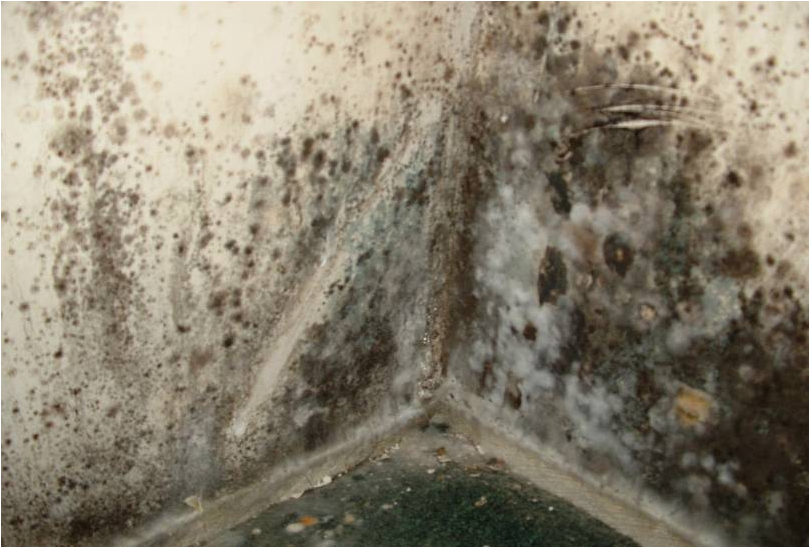
2. Visible Spots on Walls, Ceilings, or Insulation
Look for:
- Black, green, or white fuzzy patches
- Brown water stains
- Paint bubbling or peeling
- Discoloration on drywall
In attics, mold often appears on:
- Roof decking
- Rafters
- Insulation surfaces
3. Persistent Condensation on Windows
If you frequently need to wipe your windows dry, that’s a sign humidity levels are high enough for mold to grow elsewhere in your home.
4. Water Intrusion Events During Winter
If your home experienced any of the following, check for mold within 48 hours:
- Flooded basement
- Sump pump failure
- Sewage backup
- Burst or frozen pipe
- Overflowing appliances
- Leaks from ice dams
Winter water damage nearly always increases mold risk because moisture dries more slowly in cold weather.
Related Article: Insurance Tips: Are You Covered If Your Basement Flooded With a Sump Pump Failure?”
5. Allergy or Respiratory Symptoms That Get Worse Indoors
Indoor mold exposure can cause:
- Sneezing
- Sinus congestion
- Coughing
- Headaches
- Itchy eyes
- Fatigue
If symptoms worsen at home but improve when you’re away, mold may be the cause.
How to Prevent Winter Mold Growth in Michigan Homes
Michigan winters are long—so preventing mold requires proactive moisture control.
Here’s what PuroClean of Ann Arbor recommends:
1. Keep Indoor Humidity Below 50%
Use a hygrometer to monitor humidity. If levels exceed 50% during winter, run a dehumidifier—especially in:
- Basements
- Crawl spaces
- Bathrooms
- Laundry rooms
Read more about EPA Indoor Humidity Guidelines
2. Insulate Cold Surfaces
Prevent condensation by insulating:
- Pipes
- Basement walls
- Attic areas
- Windows
This reduces temperature differences that trigger moisture buildup.
3. Improve Attic Ventilation
A healthy attic should stay cold in winter. If it’s warm, moisture will condense on the roof sheathing.
Proper ventilation allows humidity to escape and prevents frost buildup.
4. Seal Air Leaks
Air leaks around:
- Exhaust fans
- Recessed lighting
- Pipe penetrations
- Attic hatches
…allow warm air to rise and condense in the attic, fueling mold growth.
5. Maintain Your Sump Pump & Drainage Systems
During winter thaws, sump pumps work overtime. Schedule seasonal maintenance and ensure:
- The pump activates properly
- Drain lines are not frozen
- Backup systems function
- Discharge lines are clear
A failing sump pump during winter melt is one of the top causes of mold in Michigan basements.
6. Address Water Damage Immediately
If you notice leaks, flooding, or moisture, contact a professional immediately.
Mold can begin forming within 24–48 hours, even in winter.
This is where PuroClean of Ann Arbor’s rapid response team can make the difference between a quick fix and major mold remediation.
Why Winter Mold Growth Is More Dangerous
Winter mold often goes undetected longer because:
- People ventilate their homes less
- Homeowners spend more time indoors
- Wet materials dry slowly in cold weather
- Mold can spread silently behind walls or in attics
This can result in:
- Structural damage
- Ruined insulation
- Poor indoor air quality
- Expensive remediation
Early detection is the key to protecting your home and your health.
FAQ
1. Can mold grow in Michigan homes during winter?
Yes. Mold thrives indoors during winter because homes trap warm, moist air while limiting ventilation.
2. What causes winter mold growth?
Winter mold is commonly caused by condensation, hidden leaks, attic moisture, sump pump failures, melting snow, or frozen pipes.
3. How do I know if my attic has mold?
Look for dark spots on wood, frost that melts into water, musty smells, or poor airflow in the attic.
4. Is basement mold common in winter?
Yes. Snowmelt, groundwater pressure, and sump pump failures often lead to winter basement moisture—and mold.
5. When should I call a professional for winter mold?
If you see visible mold, smell musty odors, experience recurring moisture, or had recent water damage, contact a mold remediation specialist immediately.
Related Post
https://www.puroclean.com/ann-arbor-mi/blog/how-to-stop-mold-in-basement/
https://www.puroclean.com/ann-arbor-mi/blog/winter-mold-growth/
https://www.puroclean.com/ann-arbor-mi/blog/black-mold-vs-green-mold/
https://www.puroclean.com/ann-arbor-mi/blog/mold-remediation-companies-mi/
https://www.puroclean.com/ann-arbor-mi/blog/water-damage-or-mold/