


Table of Contents
Mold-resistant paint is one of the easiest and most effective ways Atlanta homeowners can prevent mold and mildew from taking hold in high-humidity areas. This type of specialized paint creates a long-lasting barrier against moisture and spores, helping maintain healthier indoor air and reducing costly mold remediation in the future.
In this guide, we’ll explain how mold-resistant paint works, where to use it, the best application practices, and which products perform best in Georgia’s humid climate. You’ll also learn when to call professionals like PuroClean of Wolf Creek for mold remediation and long-term protection.
What Is Mold-Resistant Paint and How Does It Work?

Before applying any primer or paint, ensure that all mold and mildew have been removed.
Mold-resistant paint is specially formulated with antimicrobial agents that stop mold and mildew from growing on painted surfaces. Unlike standard interior paint, it includes additives that actively inhibit the growth of mold spores even when exposed to moisture, condensation, or steam.
In humid regions like Atlanta, this type of paint provides crucial protection for areas like bathrooms, basements, and kitchens—places where high humidity can lead to mold within days.
According to the U.S. Environmental Protection Agency (EPA), indoor mold can trigger respiratory issues, worsen asthma, and contribute to allergic reactions. Applying mold-resistant paint is a proactive way to reduce these risks while keeping walls clean and durable.
Key Benefits of Using Mold-Resistant Paint
Using mold-resistant paint in your Atlanta home offers multiple advantages that go beyond aesthetics.
1. Prevents Mold and Mildew Growth
The built-in antimicrobial technology in mold-resistant paint actively prevents mold spores from attaching and growing on surfaces. This makes it especially effective in areas exposed to consistent moisture, such as bathrooms, laundry rooms, and kitchens.
In Atlanta, where summer humidity often exceeds 70%, this added protection helps prevent unsightly discoloration, unpleasant odors, and long-term structural damage caused by hidden mold growth behind walls or tiles.
2. Improves Indoor Air Quality
Mold spores are one of the most common indoor allergens, often leading to sneezing, coughing, or sinus irritation. By stopping mold before it spreads, mold-resistant paint directly improves indoor air quality and contributes to a healthier home environment.
Many Atlanta homeowners notice cleaner-smelling rooms and a noticeable reduction in musty odors after repainting problem areas. This improvement can make a real difference for family members with asthma, allergies, or other respiratory sensitivities.
3. Enhances Durability and Washability
Unlike standard paints, mold-resistant coatings are formulated to withstand frequent cleaning and exposure to steam, moisture, and temperature changes. They resist peeling, bubbling, and fading, even in high-humidity environments.
Because these paints are easily washable, homeowners can maintain spotless walls without worrying about damaging the finish. This durability makes them a smart choice not only for homes but also for offices, rental units, or healthcare settings around Atlanta that need both cleanliness and long-lasting performance.
4. Adds Long-Term Value
While mold-resistant paint may come with a slightly higher upfront cost, it delivers long-term savings and peace of mind. By preventing mold-related damage, homeowners spend less on repairs, repainting, and cleaning over time. In addition, walls coated with mold-resistant paint tend to stay brighter and cleaner for years, enhancing your home’s overall appeal.
For Atlanta properties, where high humidity and seasonal storms often cause moisture issues, this upgrade offers an affordable, high-impact way to protect your investment and promote lasting home health.
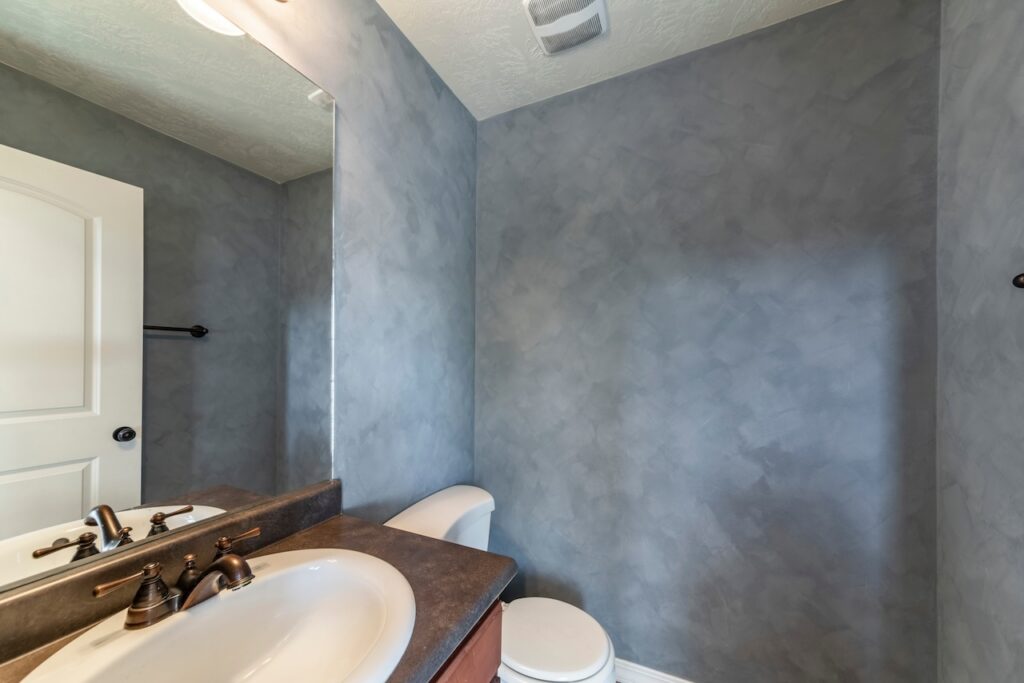
High-moisture areas are particularly prone to mold development and should employ mold-resistant products.
Best Practices: How to Apply Mold-Resistant Paint for Maximum Protection
Proper preparation and application are key to ensuring your mold-resistant paint performs as intended. Follow these expert steps recommended by PuroClean of Wolf Creek:
Step 1: Clean and Dry the Surface
Before painting, make sure the surface is completely free of mold, mildew, and dirt. Use a mild cleaning solution, such as a mixture of white vinegar and water, or a commercial mold remover designed for indoor use. Avoid harsh chemicals that could damage drywall or plaster.
It’s important to remember that painting over mold only masks the problem—it doesn’t eliminate it. After cleaning, let the surface dry thoroughly, as any remaining moisture can prevent the paint from bonding properly and may lead to mold regrowth later.
Step 2: Repair Leaks and Control Moisture
Moisture control is crucial when dealing with mold prevention. Inspect your home for plumbing leaks, roof damage, or condensation issues, especially around sinks, bathtubs, and windows.
In Atlanta homes, roof flashing and basement cracks are common sources of hidden leaks that can reintroduce moisture behind painted walls. Fixing these problems before applying paint ensures a stable, dry surface and extends the lifespan of your coating.
Step 3: Apply a Mold-Resistant Primer
Using a mold-resistant or waterproof primer creates an added layer of protection before applying the topcoat. A primer enhances paint adhesion and seals porous surfaces, reducing the chance of moisture penetration.
In high-humidity areas such as bathrooms, basements, or laundry rooms, this extra step can make a major difference in how long your paint resists mold regrowth. Choose primers labeled as “mold-killing,” and follow all safety instructions for optimal results.
Step 4: Follow Manufacturer’s Instructions
Every mold-resistant paint brand has its own formula, which means drying times, recoat intervals, and temperature requirements can vary. Always read and follow the manufacturer’s directions closely. In Atlanta’s climate—where humidity often slows down drying—it’s best to allow additional time between coats.
Applying the paint too quickly can trap moisture underneath, weakening the protective barrier and affecting the final finish. Patience during this step leads to better coverage, longevity, and mold resistance.
Step 5: Maintain Ventilation
Even the most advanced paint won’t stop mold if your indoor air circulation is poor. Keep rooms well-ventilated during and after painting to help surfaces cure properly and maintain low humidity.
Use vent fans in bathrooms and kitchens, open windows when weather allows, or run a dehumidifier during humid months. Good airflow helps the paint form a strong seal and keeps surfaces dry—key factors in long-term mold prevention for Atlanta homes.

Mold-resistant paint comes in a wide variety of colors, so you don’t have to cut corners in high-moisture areas.
When Paint Isn’t Enough: Calling the Mold Remediation Experts
While mold-resistant paint prevents future growth, it won’t eliminate active mold infestations already inside walls or HVAC systems. If you notice musty odors, visible black or green spots, or worsening allergy symptoms, it’s time to call a professional.
At PuroClean of Wolf Creek, our certified mold remediation specialists use advanced techniques to locate and remove mold safely, treat affected areas with antimicrobial solutions, and help you choose preventive coatings like mold-resistant paint for lasting results.
We proudly serve Atlanta, South Fulton, Camp Creek, College Park, and surrounding communities, helping homeowners restore clean, healthy living environments year-round.
Call to Action
Mold-resistant paint is an excellent first line of defense for Atlanta homeowners looking to keep their homes dry, clean, and healthy. It prevents mildew growth, improves air quality, and protects against costly repairs—especially in humid environments like Georgia’s.
If you’re dealing with visible mold or need expert guidance on prevention, PuroClean of Wolf Creek is ready to help. Our trained technicians offer comprehensive mold remediation and recommendations for the best mold-resistant coatings for your home.
Breathe easier and protect your investment — call PuroClean of Wolf Creek at (404) 682-5400 or visit our website to schedule your inspection today.
FAQs About Mold-Resistant Paint
1. Can I paint over existing mold?
No. Always remove mold first. Painting over it traps moisture underneath and allows regrowth.
2. How long does mold-resistant paint last?
Typically 7–10 years with proper application and maintenance.
3. Does mold-resistant paint work on ceilings?
Yes. It’s ideal for bathroom or basement ceilings where condensation collects.
4. Is mold-resistant paint safe for indoor use?
Yes. Most modern formulas are low-VOC and safe for occupied homes.
5. Should I still use a dehumidifier after applying it?
Absolutely. Controlling humidity is the key to long-term mold prevention.
Summary
- Mold-resistant paint prevents mold and mildew growth using antimicrobial additives.
- Best used in bathrooms, basements, kitchens, and laundry rooms.
- Follow proper cleaning and priming steps before application.
- Leading brands include Zinsser, Kilz, Behr, and Benjamin Moore.
- For existing mold problems, contact PuroClean of Wolf Creek for professional remediation in Atlanta, GA.
Read more on the subject: