


Table of Contents
How to tell if your basement has water damage starts with looking for visible stains, musty odors, mold, peeling paint, warped materials, and hidden moisture behind walls or under flooring. Because basements sit below ground level, they are more exposed to seepage, plumbing leaks, poor drainage, and stormwater. If you notice these warning signs, act quickly to stop the moisture source and contact a professional water damage restoration team in Wolf Creek, GA.
Why Basements Are So Vulnerable to Water Damage
Basements are naturally more prone to moisture problems because they are built below or partly below ground level. When rainwater, groundwater, or plumbing leaks enter the space, moisture can collect quickly and damage walls, flooring, stored belongings, and structural materials.
In Wolf Creek, GA, heavy rain, poor exterior drainage, and foundation cracks can all contribute to basement water damage. Even a small amount of moisture can become a bigger issue if it is not addressed early.
Common causes include:
- Groundwater seepage after heavy rain
- Foundation cracks or gaps
- Poor grading around the home
- Leaking pipes, water heaters, or appliances
- Sump pump failure
- Condensation from high indoor humidity
- Flooding from storms or drainage backups
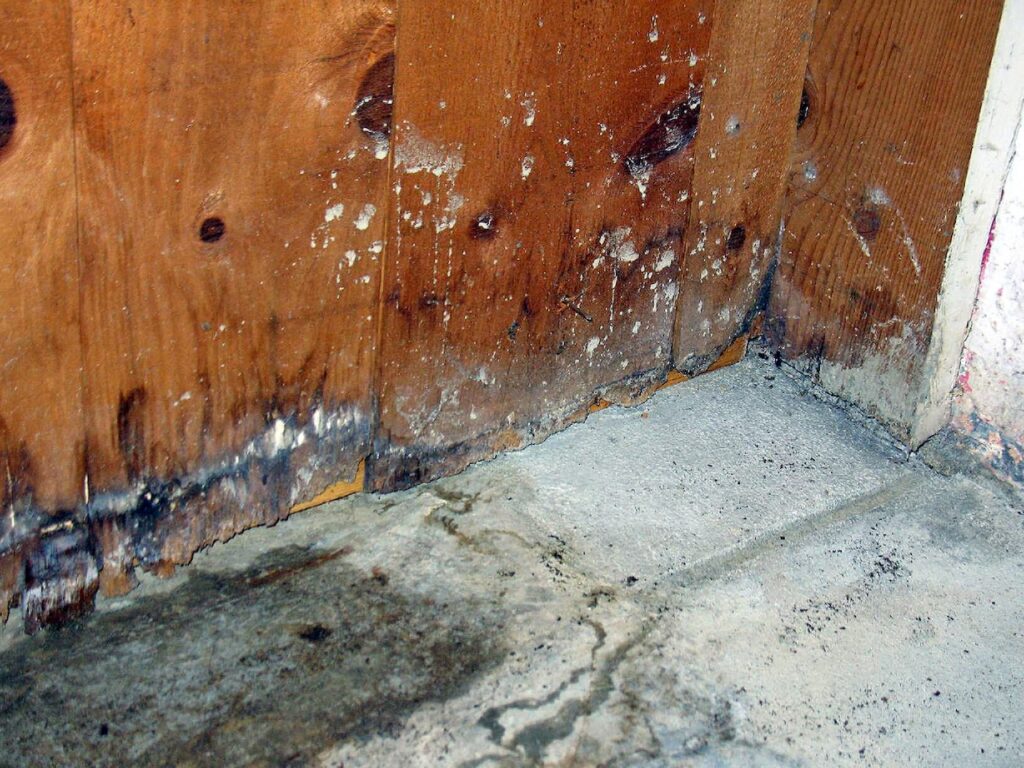
Mold growth is the most telltale sign of water damage in your home.
How to Tell If Your Basement Has Water Damage
The clearest way to identify how to tell if your basement has water damage is to inspect the space for changes in smell, appearance, texture, and humidity. Some signs are obvious, while others may only appear after moisture has been present for days or weeks.

Too much water buildup around your home will exert enough pressure to cause cracks in the foundation.
Visible Signs of Basement Water Damage
Start with the easiest indicators. These are often found on basement walls, floors, ceilings, baseboards, and stored items.
Look for:
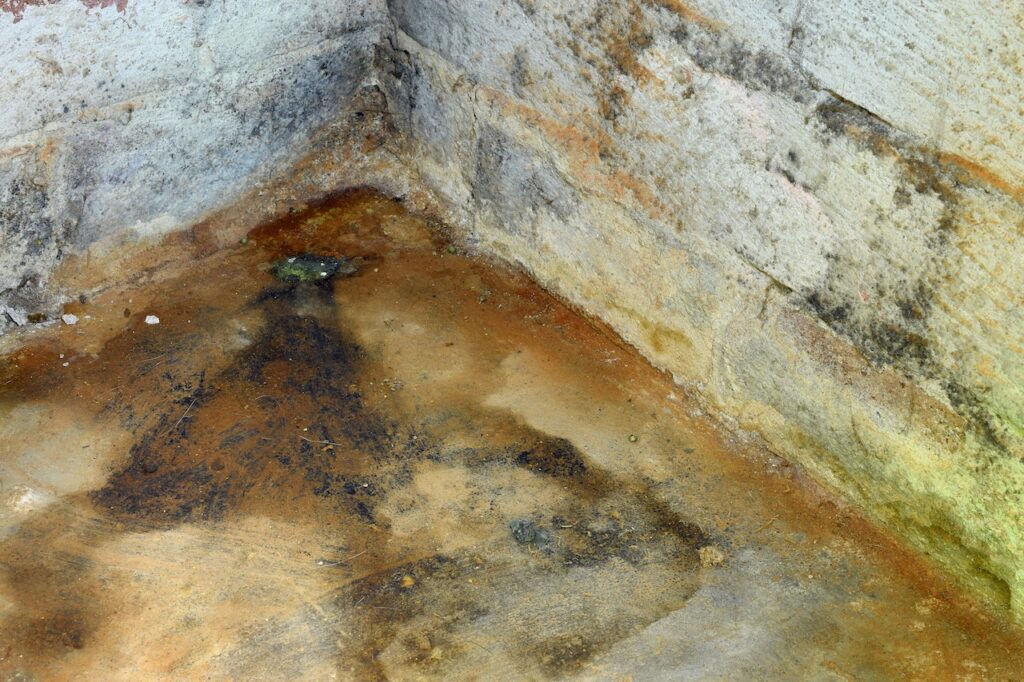
- Water stains on walls, ceilings, or concrete floors
- Dark spots or discoloration near corners
- Peeling, bubbling, or flaking paint
- Warped baseboards, trim, or flooring
- Rust on metal fixtures, appliances, or support materials
- Standing water or damp patches
- White chalky residue on concrete or masonry
That white residue is called efflorescence. It forms when water moves through masonry and leaves mineral deposits behind. While it is not mold, it is a sign that moisture has passed through the material.
Smells That May Point to Hidden Moisture
A musty odor is one of the most common signs of basement water damage. If the basement smells damp, earthy, or stale, moisture may be trapped behind walls, under flooring, or inside stored materials.
This smell often appears before visible damage. If the odor returns after cleaning or airing out the basement, there may be a hidden moisture source that needs professional inspection.
Mold and Mildew Growth
Mold growth is a major warning sign. According to the EPA, mold can grow indoors when moisture is present, and the key to controlling mold is controlling water and humidity.
Mold may appear as black, green, gray, or white patches on walls, wood, cardboard, insulation, or furniture. Mildew may look powdery or fuzzy and often grows on damp surfaces.
If you see mold in the basement, do not ignore it. The water source must be found and corrected, or the growth may return.
Subtle Signs You Should Not Ignore
Not all hidden water damage in a basement is easy to see. Some problems develop behind finished walls, under vinyl flooring, beneath carpet, or inside wall cavities.
Watch for subtle changes such as:
- Soft or spongy drywall
- Loose floor tiles
- New cracks in walls or floors
- Doors that suddenly stick
- Increased indoor humidity
- Condensation on windows, pipes, or walls
- A dehumidifier filling up faster than usual
If the basement feels damp even when there is no visible water, moisture may be entering from outside or collecting behind materials.
Quick Comparison: Normal Basement Moisture vs. Water Damage
| Condition | What It May Look Like | What It Means |
|---|---|---|
| Temporary humidity | Light condensation during humid weather | May be controlled with ventilation or a dehumidifier |
| Minor seepage | Small damp spots after rain | Water may be entering through cracks or porous materials |
| Active water damage | Stains, odors, wet flooring, or peeling paint | Moisture source needs to be found and stopped |
| Hidden water damage | Musty smell, soft walls, mold, or warped materials | Professional inspection may be needed |
| Severe damage | Standing water, structural cracks, widespread mold | Emergency water damage restoration may be required |
How to Check Your Basement Step by Step
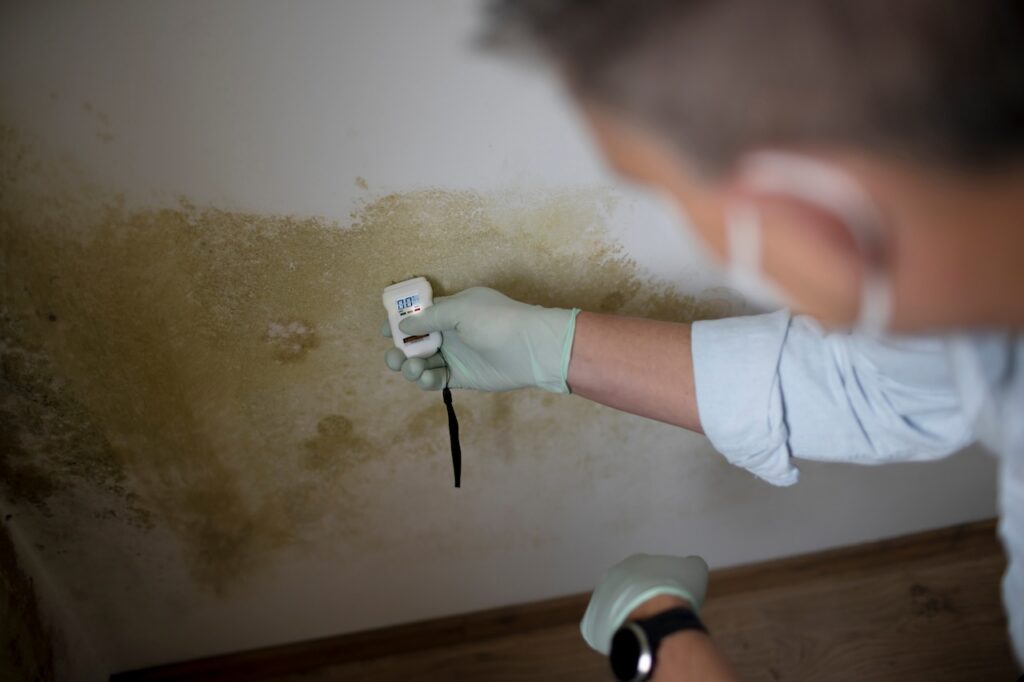
A moisture meter is a handy tool that can detect damp surfaces and help homeowners avoid costly damage.
Use this simple inspection process to identify possible water damage before it worsens.
- Inspect the Walls and Floors. Check corners, baseboards, foundation walls, and areas near windows. Look for stains, cracks, peeling paint, or damp areas. Pay special attention to walls that face the outside of the home.
- Smell the Air. A basement should not consistently smell musty. If the odor is strongest near one wall, corner, or storage area, that may help identify where moisture is collecting.
- Check Plumbing and Appliances. Inspect water heaters, washing machines, utility sinks, exposed pipes, sump pumps, and HVAC equipment. Look for leaks, rust, corrosion, puddles, or water trails.
- Look Behind Stored Items. Boxes, furniture, and shelving can hide damage. Move items away from walls and check for mold, moisture, or stains behind them.
- Monitor Humidity. A basement humidity level that stays too high can increase the risk of mold and material damage. A dehumidifier can help, but it should not be treated as a fix for active water intrusion.
- Use Moisture Detection Tools. A moisture meter or infrared camera can help detect damp materials that are not visibly wet. These tools are especially useful for finished basements where water may be trapped behind walls or beneath flooring.
When Basement Water Damage Becomes an Emergency
Some situations require immediate professional help. Call a water damage restoration company if you notice:
- Standing water in the basement
- Sewage or contaminated water
- Electrical outlets or wiring near water
- Large areas of wet drywall or flooring
- Mold spreading across multiple surfaces
- Persistent moisture after heavy rain
- Water damage that keeps returning
Water damage can affect both indoor air quality and structural materials. Fast drying and moisture control are important to help prevent mold growth and long-term repair costs.
How to Prevent Future Basement Water Damage
Once you understand how to tell if your basement has water damage, the next step is prevention. Keeping water away from the foundation is one of the most important ways to protect the basement.
Useful prevention steps include:
- Clean gutters and downspouts regularly
- Extend downspouts away from the foundation
- Seal visible foundation cracks
- Make sure soil slopes away from the home
- Test the sump pump before heavy rain
- Use a dehumidifier when humidity is high
- Avoid storing cardboard boxes directly on the floor
- Schedule professional help if moisture keeps returning
Preventive maintenance is especially important before rainy seasons or storms in Wolf Creek, GA.
Call PuroClean for Basement Water Damage Restoration in Wolf Creek, GA
If you are unsure how to tell if your basement has water damage, PuroClean can help inspect the affected area, identify moisture issues, and provide professional water damage restoration in Wolf Creek, GA.
Our team uses drying equipment, moisture detection tools, and proven restoration practices to help protect your home from further damage. Whether the problem is caused by stormwater, plumbing leaks, seepage, or hidden moisture, fast action can make a major difference.
Call PuroClean today at (404) 682-5400 for reliable basement water damage restoration in Wolf Creek, GA.
FAQs About Basement Water Damage
How do I know if my basement has water damage?
You may have basement water damage if you see stains, peeling paint, mold, warped flooring, foundation cracks, or damp areas. A musty smell is also a common warning sign. If the signs return after cleaning, there may be hidden moisture.
What does water damage in a basement smell like?
Water damage often creates a musty, damp, or earthy odor. This smell can come from mildew, mold, or wet building materials. If the odor stays even after ventilation, the moisture source may still be active.
Can basement water damage cause mold?
Yes. Mold can grow when moisture remains on surfaces or inside materials. The EPA notes that moisture control is the key to mold control, so water problems should be addressed quickly.
Is a little water in the basement serious?
A small amount of water can still be serious if it keeps coming back or remains trapped in materials. Repeated moisture can damage drywall, flooring, wood, insulation, and stored belongings. It can also create conditions for mold growth.
When should I call a professional for basement water damage?
Call a professional if you find standing water, mold, sewage, wet drywall, recurring moisture, or signs of hidden water damage. You should also call if you cannot identify where the water is coming from.
Final Summary
- How to tell if your basement has water damage starts with checking for stains, odors, mold, peeling paint, and damp materials.
- Basements are vulnerable because they sit below ground level and are exposed to seepage, storms, leaks, and humidity.
- Musty odors are often an early sign of hidden moisture.
- Mold, warped flooring, and soft drywall may indicate more serious damage.
- Moisture meters and infrared cameras can help detect water behind walls or under floors.
- Preventing future damage requires drainage, humidity control, foundation maintenance, and regular inspections.
- PuroClean provides professional basement water damage restoration in Wolf Creek, GA.
Read more on the subject: