 PuroClean of Wolf Creek
Table of Contents
Water loss in cold weather can damage your home long before you see obvious signs. In Atlanta, sudden temperature drops can freeze pipes, cause hidden leaks, and lead to moisture spreading inside walls and floors. If you’re a homeowner, please act quickly to protect your plumbing, prevent secondary damage, and reduce repair costs. Understanding the risks and early warning signs is the first step to protecting your property.
What “Water Loss” Means in Winter
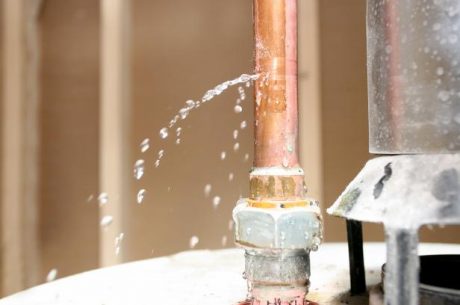
Water loss refers to unintended water escaping from plumbing systems due to failures such as frozen pipes, cracked fittings, or compromised valves. During colder months, these issues often occur out of sight, allowing moisture to spread before homeowners realize there’s a problem.
Why Water Loss in Cold Weather Is Dangerous
Cold temperatures place stress on plumbing systems, especially in homes not designed for extended freezes. As water freezes, it expands, increasing pressure inside pipes until they crack or burst. When temperatures rise, water flows freely through damaged sections, soaking surrounding materials.
In Atlanta, homes may be more vulnerable because plumbing is often routed through attics, crawl spaces, or exterior walls with limited insulation.
Common Causes During Atlanta Winters

Frozen or Burst Pipes
Pipes in unheated areas are the most common source of winter water issues. Even brief overnight freezes can be enough to cause damage.
Appliance and Water Heater Failures
Washing machine lines, dishwashers, and water heaters can fail when temperatures fluctuate, leading to leaks that go unnoticed.
Exterior Hose Bibs and Irrigation Lines
Outdoor plumbing components are especially vulnerable if not winterized properly.
Early Warning Signs Homeowners Should Watch For
Spotting issues early can prevent major repairs. Watch for:
- Unexplained drops in water pressure
- Staining on ceilings or walls
- Musty odors or increased indoor humidity
- Frost on exposed pipes
- Unusual sounds in plumbing when water is turned on
These signs often indicate moisture spreading behind surfaces.
Hidden Damage That Follows Water Loss
When leaks occur during winter, moisture can penetrate:
- Drywall and insulation
- Subflooring and framing
- Electrical systems
- Cabinetry and baseboards
Because evaporation is slower in cold weather, moisture lingers longer, increasing the risk of mold growth and material deterioration.
Cold-Weather Water Issues vs. Warm-Weather Leaks
| Cold-Weather Water Issues | Warm-Weather Leaks |
|---|---|
| Often caused by freezing | Often caused by wear or pressure |
| Can start suddenly overnight | May develop gradually |
| Slower drying conditions | Faster evaporation |
| Higher hidden damage risk | Easier to detect early |
Understanding these differences helps homeowners respond appropriately.
Steps to Reduce Your Risk This Winter
1. Insulate Vulnerable Pipes
Pipes located in attics, crawl spaces, garages, and exterior walls are most exposed to cold air. Use pipe insulation sleeves or wrap to help maintain temperature and reduce the risk of freezing. Pay special attention to older homes where insulation may be limited or deteriorated.
2. Maintain Indoor Heat
Keep your home at a consistent temperature during cold weather, even if you’re away for a short period. Sudden drops in indoor temperature increase the risk of frozen pipes, especially overnight. Setting the thermostat slightly higher during extreme cold can help protect plumbing in less insulated areas.
3. Disconnect Outdoor Hoses
Remove and drain garden hoses before temperatures drop, and shut off exterior water supply valves if available. Leaving hoses connected can trap water in the line, increasing the chance of freezing and pipe failure inside the wall.
4. Check Plumbing Regularly
During cold snaps, visually inspect exposed pipes, appliances, and water connections for frost, condensation, or small leaks. Early detection allows you to address minor issues before they lead to burst pipes or hidden water damage.
When to Call a Professional
If you suspect moisture intrusion, visible staining, or plumbing failure, professional help is recommended. PuroClean of Wolf Creek can assess affected areas, identify hidden moisture, and help prevent long-term damage caused by winter-related water issues.
FAQs
Can pipes freeze in Atlanta’s climate?
Yes. While Atlanta winters are usually mild, sudden temperature drops can still freeze unprotected pipes.
How fast can winter water damage spread?
Water can spread within minutes once pipes thaw, soaking walls and floors before you notice.
Is winter water damage covered by insurance?
Coverage often applies to sudden pipe failures, but policies vary. Prompt documentation is important.
Do small leaks really cause serious damage?
Yes. Slow leaks during winter often remain hidden longer, increasing the risk of mold and structural issues.
What areas of the home are most at risk?
Attics, crawl spaces, exterior walls, and laundry rooms are common problem areas.
Conclusion
Ignoring water loss in cold weather can lead to hidden structural damage, mold growth, and expensive repairs. For Atlanta homeowners, preparation, early detection, and professional assessment are key to minimizing winter-related risks.
For Water Damage Restoration in Atlanta, Call PuroClean Today!
If your home has been affected by winter plumbing issues, contact PuroClean of Wolf Creek at (404) 682-5400 for professional water damage assessment and restoration support. Acting early helps protect your home and your peace of mind.
Key Takeaways
- Water loss in cold weather can cause serious damage before homeowners notice any visible signs
- Professional help limits long-term damage
- Cold temperatures increase the risk of plumbing failures
- Freezing causes pipes to crack or burst
- Damage often spreads out of sight
- Slower drying increases mold risk
- Early warning signs are easy to miss
- Preventive steps reduce winter risk


 PuroClean of Wolf Creek