


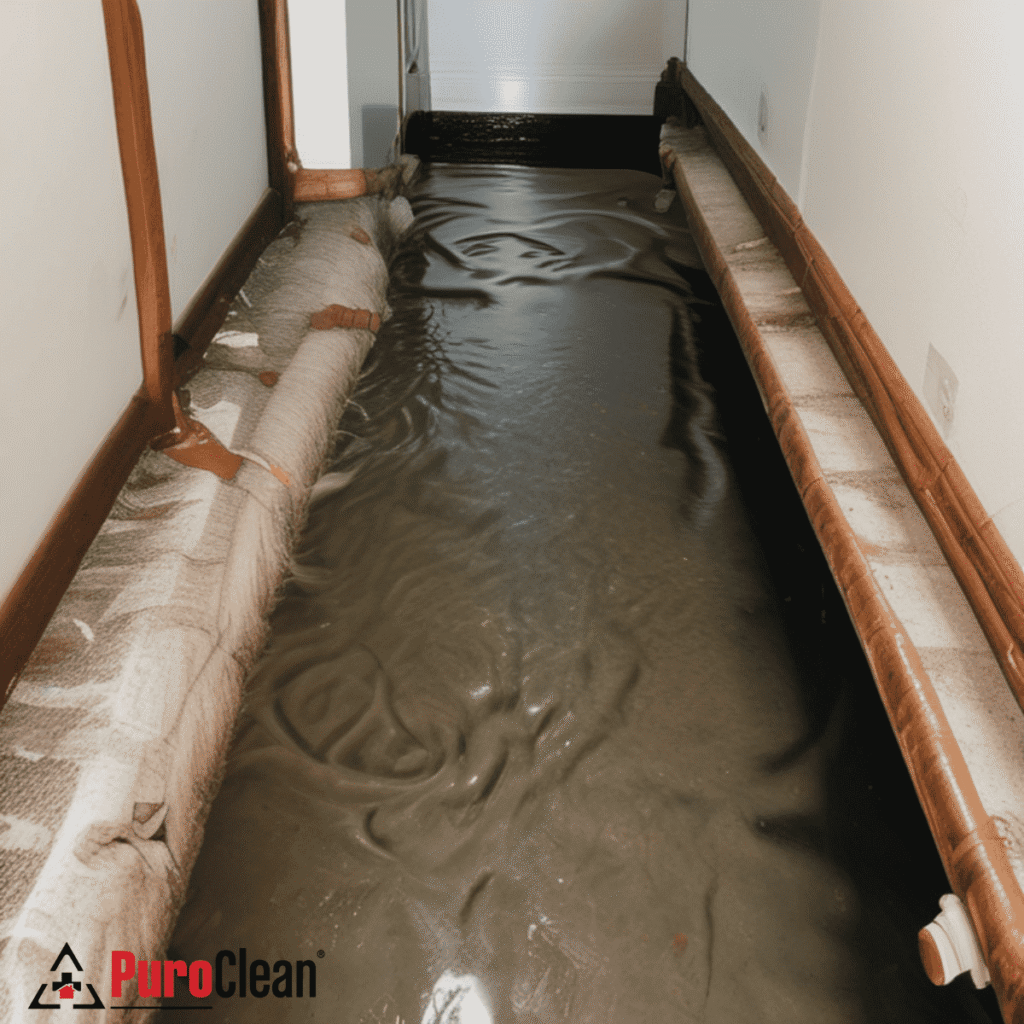
When disaster strikes and your home or business is flooded with black water, the situation requires immediate and expert attention. Black water, often referred to as Category 3 water, is the most dangerous type of water contamination. It can contain harmful pathogens, chemicals, and debris, posing severe health risks. Restoration companies play a crucial role in addressing these emergencies with precision and care. This guide provides a detailed overview of the process involved in cleaning up black water.
Understanding Black Water
Black water typically originates from sources such as:
- Sewage Backflows: These are perhaps the most common and hazardous sources of black water.
- Flooding from Rivers and Streams: Natural disasters can introduce water contaminated with various pollutants.
- Standing Water with Biological Contaminants: Stagnant water can become a breeding ground for bacteria, mold, and other harmful microorganisms.
Read more : What’s the Difference between Blackwater and Greywater?
Initial Assessment and Safety Measures
1. Emergency Response:
Restoration companies provide 24/7 emergency response services to assess the severity of the contamination. The initial step involves a thorough inspection to identify the source and extent of the black water damage.
2. Safety Precautions:
The safety of both the restoration crew and the occupants is paramount. Technicians use personal protective equipment (PPE) including gloves, boots, masks, and sometimes full-body suits to prevent exposure to harmful pathogens.
3. Containment:
To prevent the spread of contaminants, affected areas are isolated using physical barriers and negative air pressure systems. This step ensures that the cleanup process does not inadvertently extend the contamination to other parts of the building.
Water Extraction and Debris Removal
4. Water Extraction:
Specialized pumps and vacuums are used to remove standing black water quickly and efficiently. This step is critical in mitigating further damage and reducing the risk of mold growth.
5. Debris Removal:
All porous materials that have been contaminated by black water, such as carpets, drywall, and insulation, are carefully removed and disposed of according to local regulations. Non-porous items are cleaned and disinfected.
Cleaning and Disinfection
6. Deep Cleaning:
Surfaces and materials that can be salvaged undergo thorough cleaning. This involves the use of industrial-grade cleaners and detergents specifically designed to break down organic matter and kill bacteria.
7. Disinfection:
Following cleaning, powerful disinfectants and biocides are applied to eliminate any remaining pathogens. This step often includes the use of fogging equipment to ensure that all areas, including hard-to-reach spaces, are treated.
Drying and Dehumidification
8. Drying Process:
High-capacity air movers and dehumidifiers are deployed to dry out the affected areas. Monitoring equipment measures moisture levels to ensure that the environment is thoroughly dried, preventing mold growth and structural damage.
9. Mold Prevention:
Given the high risk of mold growth following black water damage, restoration companies often apply antimicrobial treatments to prevent mold spores from taking root.
Restoration and Reconstruction
10. Structural Repairs:
Once the area is clean and dry, the focus shifts to restoring the property to its pre-damage condition. This may involve replacing drywall, flooring, and other building materials, as well as repainting and refinishing surfaces.
11. Final Inspection:
A comprehensive inspection ensures that all remediation efforts have been successful and that the property is safe for occupancy. Air quality tests and moisture readings are conducted to verify the effectiveness of the cleanup.
Documentation and Communication
12. Detailed Documentation:
Throughout the cleanup process, restoration companies maintain detailed records, including photographs, moisture readings, and a log of the work performed. This documentation is essential for insurance claims and future reference.
13. Client Communication:
Clear and ongoing communication with the property owner is crucial. Restoration companies provide regular updates on the progress of the cleanup and work closely with insurance adjusters to facilitate the claims process.
Conclusion
Cleaning up black water is a complex and hazardous task that requires specialized knowledge, equipment, and protocols. Restoration companies are equipped to handle these emergencies with expertise and efficiency, ensuring the safety and well-being of property owners and occupants. By following rigorous procedures from assessment to final inspection, We professionally restore damaged properties and provide peace of mind to those affected by black water contamination. For more insight visit


