 PuroClean of Irving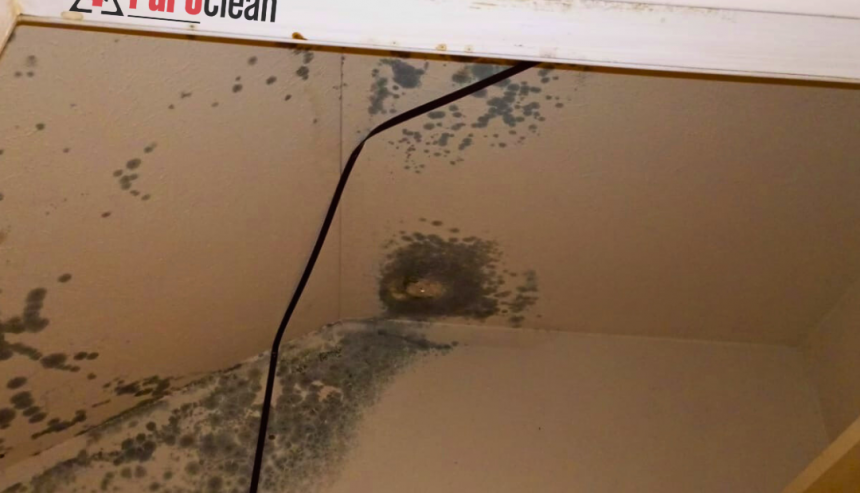

Flooding can wreak havoc on your home, leading to extensive damage and creating a breeding ground for mold. Mold growth can start within 24-48 hours after water exposure, posing serious health risks and further damaging your property. Effective mold treatment after flooding is crucial to restore your home and ensure a safe living environment. This guide will walk you through the best practices for mold treatment, from initial assessment to long-term prevention.
Understanding the Risks of Mold After Flooding
Mold is a type of fungus that thrives in damp, warm conditions. After a flood, your home can become an ideal environment for mold growth. Common areas affected include basements, walls, carpets, and any materials that absorb moisture. Mold exposure can lead to various health issues, such as:
- Respiratory problems
- Allergic reactions
- Asthma attacks
- Skin irritation
- Weakened immune system
Addressing mold promptly and effectively is essential to mitigate these health risks and prevent structural damage to your home.
Initial Steps: Safety First
Before starting any mold treatment, ensure your safety and the safety of others. Follow these initial steps:
- Assess the Situation: Determine the extent of the flooding and the affected areas. If the water level is high or the flooding is severe, consider professional help.
- Turn Off Electricity: To avoid electrical hazards, turn off the power supply to the flooded areas.
- Wear Protective Gear: Use protective clothing, including gloves, masks, goggles, and waterproof boots, to minimize exposure to mold and contaminants.
- Ventilate the Area: Open windows and doors to improve air circulation and help dry out the space.
Step-by-Step Mold Treatment Process
1. Remove Standing Water
The first step in mold treatment is to remove any standing water. Use pumps, wet vacuums, or buckets to extract water from the affected areas. The faster you remove the water, the less likely mold will grow. Dispose of the water safely and avoid direct contact with contaminated water.
2. Dry Out Affected Areas
Thoroughly drying out the affected areas is crucial to prevent mold growth. Here’s how:
- Use Fans and Dehumidifiers: Place fans and dehumidifiers in the affected areas to speed up the drying process. High-powered fans and commercial dehumidifiers work best for large spaces.
- Remove Wet Materials: Remove and discard items that cannot be dried or cleaned, such as carpets, drywall, insulation, and furniture. Porous materials can retain moisture and harbor mold spores.
- Increase Airflow: Open windows and doors to enhance airflow. If possible, use an HVAC system to circulate dry air.
3. Clean and Disinfect Surfaces
After drying, clean and disinfect all affected surfaces to remove mold spores and prevent future growth:
- Scrub Moldy Surfaces: Use a brush and a mixture of detergent and water to scrub moldy surfaces. For tough mold, you can use a solution of water and bleach (1 cup of bleach per gallon of water). Ensure the area is well-ventilated when using bleach.
- Disinfect: Apply a commercial disinfectant or a mixture of water and vinegar (1 part vinegar to 1 part water) to disinfect surfaces. Vinegar is effective in killing many types of mold.
- Rinse and Dry: Rinse surfaces with clean water and dry them thoroughly.
4. Dispose of Contaminated Materials
Properly disposing of contaminated materials is vital to prevent mold from spreading:
- Seal and Bag Items: Place moldy items in heavy-duty plastic bags and seal them tightly. Dispose of them according to local regulations.
- Clean Disposal Tools: Clean tools and equipment used for mold removal to avoid cross-contamination.
Advanced Mold Remediation Techniques
In cases of severe mold infestation, advanced remediation techniques may be necessary. Consider the following:
1. Professional Mold Remediation
For extensive mold problems, hiring a professional mold remediation company is often the best solution. Professionals have the expertise, equipment, and experience to handle severe mold infestations safely and effectively. They can:
- Conduct a thorough inspection to assess the extent of mold growth.
- Use advanced techniques and equipment to remove mold and contaminated materials.
- Apply antimicrobial treatments to prevent future mold growth.
- Ensure that the area is properly dried and restored.
2. HEPA Vacuuming
High-Efficiency Particulate Air (HEPA) vacuums are effective in removing mold spores from surfaces and the air. HEPA vacuums trap small particles, preventing them from being released back into the environment. Use HEPA vacuums to clean:
- Carpets and upholstery
- Floors and walls
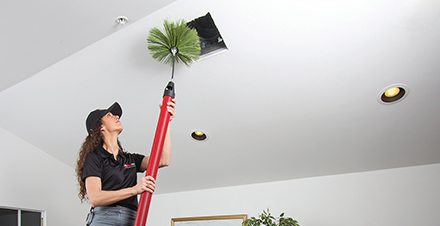
- Air ducts and vents
3. Encapsulation
Encapsulation involves applying a sealant to mold-affected surfaces to prevent mold spores from becoming airborne. This technique is useful for areas where mold removal is challenging or impractical. However, encapsulation should only be done after cleaning and drying the surfaces thoroughly.
Long-Term Mold Prevention Strategies
Preventing mold growth in the long term is essential to protect your home and health. Implement these strategies to keep mold at bay:
1. Control Moisture Levels
Moisture control is the key to preventing mold growth. Take these steps to keep your home dry:
- Fix Leaks Promptly: Repair any leaks in roofs, walls, and plumbing to prevent water intrusion.
- Improve Ventilation: Ensure proper ventilation in bathrooms, kitchens, and other moisture-prone areas. Use exhaust fans and open windows to reduce humidity.
- Use Dehumidifiers: In humid climates, use dehumidifiers to maintain indoor humidity levels below 60%.
- Insulate: Properly insulate your home to prevent condensation and moisture buildup.
2. Regular Inspections
Regular inspections can help identify and address mold problems early:
- Check for Signs of Mold: Look for visible mold, musty odors, and water stains in your home.
- Inspect HVAC Systems: Ensure your HVAC system is clean and functioning correctly. Change filters regularly and consider using HEPA filters.
- Monitor Humidity Levels: Use a hygrometer to monitor indoor humidity levels and adjust as needed.
3. Maintain Cleanliness
Keeping your home clean can reduce the risk of mold growth:
- Clean Regularly: Regularly clean and disinfect surfaces, especially in high-moisture areas.
- Address Spills and Leaks: Immediately clean up spills and fix leaks to prevent water damage.
- Manage Clutter: Reduce clutter to improve airflow and make cleaning easier.
Mold-Resistant Products and Materials
Consider using mold-resistant products and materials during repairs and renovations to prevent future mold growth:
1. Mold-Resistant Drywall and Paint
- Mold-Resistant Drywall: This type of drywall has a moisture-resistant core, making it less susceptible to mold growth.
- Mold-Resistant Paint: Use paint with antimicrobial properties to inhibit mold growth on painted surfaces.
2. Waterproofing Materials
- Waterproof Sealants: Apply waterproof sealants to foundations, walls, and other areas prone to water intrusion.
- Waterproof Flooring: Choose waterproof flooring materials, such as vinyl, tile, or concrete, in moisture-prone areas.
Conclusion
Dealing with mold after flooding is a challenging but essential task to ensure a safe and healthy home. By following the steps outlined in this guide, you can effectively treat mold and prevent it from returning. mold treatment has to be professionally done and we the professionals in Irving,Texas are your best bet to combating mold.
Our mold treatment procedures are concise and environment friendly. Remember, prompt action, thorough cleaning, and long-term prevention strategies are key to successful mold treatment. If the mold problem is extensive, don’t hesitate to seek professional help. Protecting your home from mold will safeguard your health and preserve the integrity of your property for years to come.

 PuroClean of Irving