 PuroClean of Irving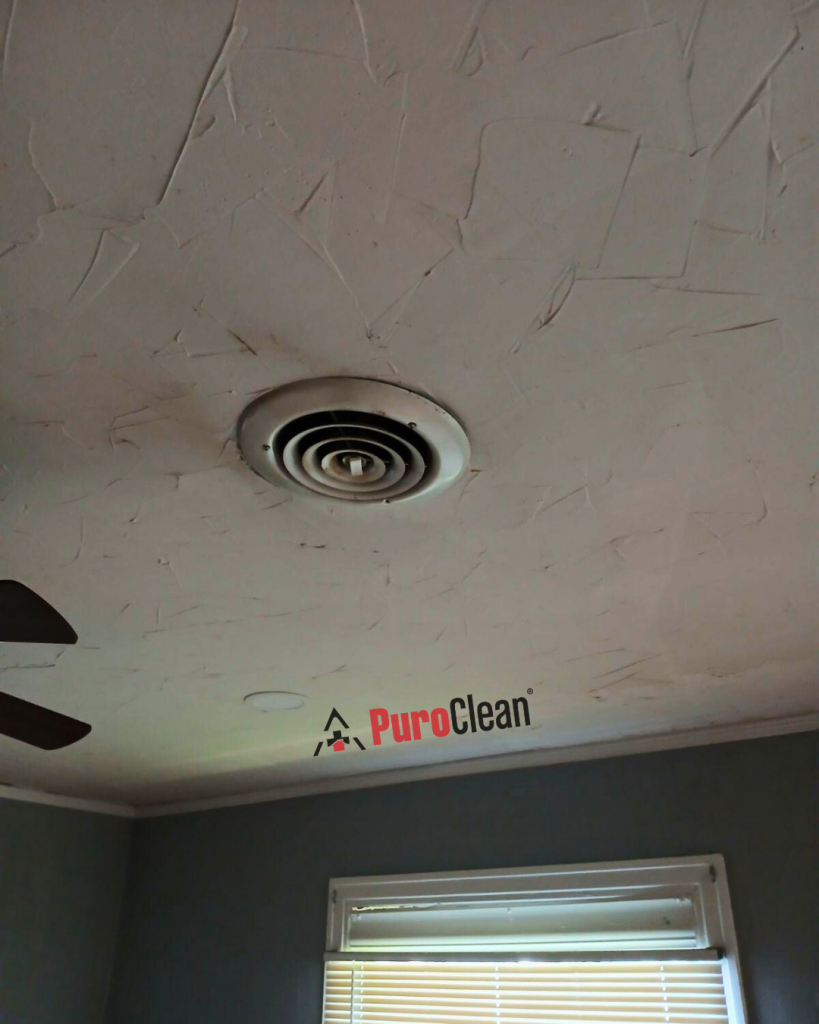
Indoor air quality is a crucial factor in maintaining a healthy living environment. While many people focus on visible aspects of home cleanliness, one often overlooked area is the air duct system. Air ducts play a vital role in circulating air throughout your home, and their cleanliness directly impacts the quality of the air you breathe. This comprehensive guide will explore the importance of duct cleaning, its benefits, the process involved, and how to determine when it’s necessary.
Understanding the Role of Air Ducts
Air ducts are part of your heating, ventilation, and air conditioning (HVAC) system, responsible for distributing air from your HVAC unit to various rooms in your home. Over time, these ducts can accumulate dust, dirt, pet dander, pollen, mold spores, and other contaminants. When the HVAC system operates, these particles can be circulated throughout your home, potentially affecting your health and comfort.
The Benefits of Duct Cleaning
1. Improved Indoor Air Quality
The primary benefit of duct cleaning is the significant improvement in indoor air quality. Over time, contaminants such as dust, pollen, pet dander, and mold spores can accumulate in your ducts. When the HVAC system operates, these particles are circulated throughout your home, leading to potential respiratory issues, allergies, and other health problems. Cleaning the ducts removes these contaminants, ensuring cleaner air for you and your family.
2. Enhanced HVAC Efficiency
Dirty ducts can impede the efficient operation of your HVAC system. Dust and debris can restrict airflow, forcing the system to work harder to maintain the desired temperature. This increased workload can lead to higher energy consumption and, consequently, higher utility bills. Regular duct cleaning ensures that air flows freely through the system, improving efficiency and reducing energy costs.
3. Prolonged HVAC System Lifespan
A clean HVAC system operates more efficiently and experiences less wear and tear. Accumulated debris can cause components to malfunction or fail prematurely. By maintaining clean ducts, you reduce the strain on your system, potentially extending its lifespan and saving money on costly repairs or replacements.
4. Reduction of Allergens and Irritants
For individuals with allergies, asthma, or other respiratory conditions, clean air is essential. Duct cleaning helps to remove allergens and irritants from your home’s air supply, reducing the risk of triggering allergic reactions or asthma attacks. This is especially important in homes with pets or in regions with high pollen levels.
5. Elimination of Unpleasant Odors
Accumulated dust, mold, and other contaminants can lead to unpleasant odors circulating through your home. These odors can be particularly noticeable when the HVAC system is running. Duct cleaning removes the source of these odors, leaving your home smelling fresher and cleaner.
6. Better Overall Cleanliness
Clean air ducts contribute to a cleaner home environment. When ducts are dirty, the dust and debris they contain can settle on furniture, floors, and other surfaces, requiring more frequent cleaning. By keeping your ducts clean, you reduce the amount of dust and dirt circulating in your home, leading to less time spent on household chores.
The Duct Cleaning Process
Professional duct cleaning involves several steps to ensure thorough and effective cleaning. Here’s an overview of what you can expect during a duct cleaning service:
1. Inspection
The process begins with a thorough inspection of your duct system. Technicians use specialized cameras to examine the condition of the ducts and identify any areas with significant buildup or damage. This inspection helps determine the scope of cleaning required and ensures any issues are addressed promptly.
2. Setup
Before cleaning begins, technicians will set up their equipment and take measures to protect your home. This may include covering furniture and flooring to prevent contamination during the cleaning process.
3. Negative Air Pressure
To prevent contaminants from spreading during cleaning, technicians use a negative air machine. This machine creates a vacuum effect, pulling dust and debris from the ducts into a containment unit. This step ensures that particles are safely removed without re-entering your home’s air supply.
4. Agitation and Cleaning
Technicians use various tools, such as brushes, air whips, and high-pressure air nozzles, to dislodge debris from the walls of the ducts. This agitation helps to break up and remove stubborn buildup. The negative air machine continuously extracts the dislodged particles, ensuring a thorough cleaning.
5. Cleaning Other Components
In addition to the ducts, technicians will clean other components of your HVAC system, such as the blower motor, coils, and registers. These components can also accumulate dust and debris, affecting the system’s overall performance.
6. Sanitization
After cleaning, some services may offer sanitization to eliminate any remaining bacteria, mold, or other microorganisms. This step involves applying a safe, EPA-approved disinfectant to the ducts, ensuring a hygienic environment.
7. Final Inspection
Once the cleaning process is complete, technicians will conduct a final inspection to ensure that all contaminants have been removed and the system is in good condition. They will also review the work with you and answer any questions you may have.
Signs Your Ducts Need Cleaning
While regular duct cleaning is beneficial, it’s essential to recognize the signs that indicate when cleaning is necessary. Here are some common indicators:
1. Visible Mold Growth
If you notice visible mold growth in or around your duct system, it’s crucial to address it immediately. Mold spores can be harmful to your health and spread quickly through the air.
2. Excessive Dust and Debris
If you observe excessive dust or debris around your vents and registers, it may be a sign that your ducts need cleaning. This buildup can restrict airflow and affect your HVAC system’s efficiency.
3. Unexplained Allergies or Respiratory Issues
If you or your family members experience unexplained allergies or respiratory issues, it could be due to contaminants in your air ducts. Cleaning the ducts can help alleviate these symptoms by improving indoor air quality.
4. Unpleasant Odors
Persistent unpleasant odors, especially when the HVAC system is running, can indicate the presence of contaminants in your ducts. Cleaning the ducts can eliminate these odors and improve the overall air quality in your home.
5. Recent Renovations or Construction
If your home has recently undergone renovations or construction, it’s a good idea to have your ducts cleaned. Construction dust and debris can easily find their way into your duct system, affecting air quality and system performance.
Frequency of Duct Cleaning
The frequency of duct cleaning depends on several factors, including your home’s location, the presence of pets, and the overall condition of your HVAC system. Generally, it’s recommended to have your ducts cleaned every 3-5 years. However, more frequent cleaning may be necessary if you have:
- Pets: Homes with pets tend to accumulate more pet dander and hair in the ducts.
- Allergies or Respiratory Conditions: If someone in your household suffers from allergies or respiratory conditions, more frequent cleaning can help improve air quality.
- Smokers: Homes with smokers may need more frequent cleaning to remove smoke particles from the ducts.
- High Humidity: High humidity levels can promote mold growth, necessitating more frequent duct cleaning.
Choosing a Professional Duct Cleaning Service
Selecting a reputable and experienced duct cleaning service is crucial to ensure effective and safe cleaning. Here are some tips to help you choose the right service provider:
1. Research and Reviews
Start by researching local duct cleaning companies. Look for reviews and testimonials from previous customers to gauge their reputation and quality of service. Websites like Yelp, Google Reviews, and the Better Business Bureau can provide valuable insights.
2. Certifications and Credentials
Ensure that the company you choose is certified by recognized organizations such as the National Air Duct Cleaners Association (NADCA). Certification indicates that the company adheres to industry standards and best practices.
3. Experience and Expertise
Choose a company with extensive experience in duct cleaning. Experienced technicians are more likely to identify and address any issues effectively. Ask about their training and expertise in handling various HVAC systems.
4. Transparent Pricing
Request a detailed quote before hiring a duct cleaning service. The quote should include all costs associated with the cleaning process, including any additional services such as sanitization or repairs. Avoid companies that provide vague or extremely low estimates, as they may not deliver quality service.
5. Methods and Equipment
Inquire about the methods and equipment the company uses for duct cleaning. Ensure they use industry-standard tools and techniques, such as negative air machines and HEPA vacuums. Avoid companies that use unproven or outdated methods.
6. Insurance and Guarantees
Verify that the company has liability insurance to cover any potential damage to your property during the cleaning process. Additionally, ask if they offer any guarantees on their work, ensuring you receive satisfactory results.
DIY Duct Cleaning: Is It Worth It?
While some homeowners may consider DIY duct cleaning to save money, it’s generally not recommended. Professional duct cleaning services have the necessary equipment and expertise to thoroughly clean your ducts and ensure optimal results. DIY attempts may not effectively remove all contaminants and can even damage your duct system if done incorrectly.
If you choose to perform minor cleaning tasks, such as cleaning vents and registers, use caution and follow these tips:
- Turn Off the HVAC System: Ensure the system is turned off before cleaning.
- Use a Soft Brush: Use a soft brush or vacuum with a brush attachment to clean vents and registers.
- Avoid Harsh Chemicals: Do not use harsh chemicals or cleaners that can damage the duct material.
- Wear Protective Gear: Wear a mask and gloves to protect yourself from dust and debris.
Conclusion
Maintaining clean air ducts is essential for ensuring a healthy and comfortable living environment. Regular
duct cleaning improves indoor air quality, enhances HVAC efficiency, prolongs the lifespan of your system, and reduces allergens and unpleasant odors. By recognizing the signs that indicate your ducts need cleaning and choosing a reputable professional service, you can enjoy the many benefits of clean air ducts.
Investing in regular duct cleaning is an investment in your health and home. Don’t overlook this important aspect of home maintenance – breathe easier and live healthier by keeping your air ducts clean.

 PuroClean of Irving