


Table of Contents
Mold Prevention Tips
The rainy season brings much-needed relief from the scorching heat, but it also introduces excess moisture into our homes—creating the perfect breeding ground for mold. Mold not only damages walls, furniture, and fabrics but also poses serious health risks, including allergies, respiratory issues, and skin irritation.
Fortunately, with the right preventive measures, you can keep mold at bay and maintain a clean, healthy living space. In this blog post, we’ll explore effective mold prevention tips to help you combat humidity and protect your home during the rainy season.
Why Is Mold a Problem During the Rainy Season?
Mold thrives in damp, humid environments, making the rainy season an ideal time for it to grow.
Common areas where mold develops include:
- Bathrooms (shower walls, tiles, and grout)
- Kitchens (under sinks, near faucets)
- Basements and attics
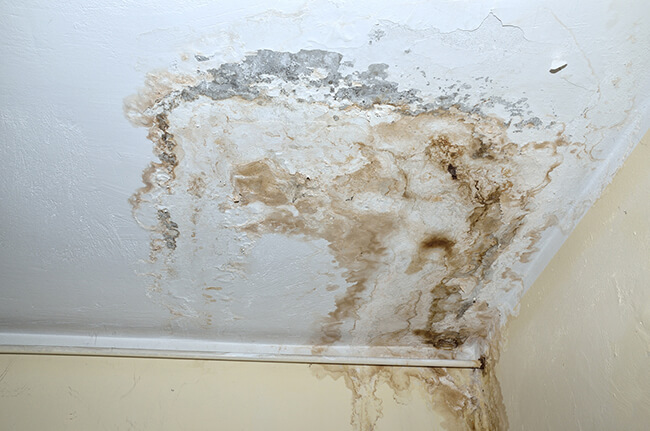
- Walls and ceilings (especially if there’s a leak)
- Carpets, curtains, and upholstery
Exposure to mold can cause:
- Sneezing, coughing, and asthma flare-ups
- Skin rashes and eye irritation
- Headaches and fatigue
- Long-term respiratory problems
Preventing mold growth is essential for both your home’s structural integrity and your family’s well-being.
Top Mold Prevention Tips for the Rainy Season
1. Control Indoor Humidity Levels
Mold grows when humidity levels exceed 60%. To keep moisture in check:
Use a dehumidifier in damp areas like basements and bathrooms.
Ventilate properly by opening windows when the weather allows.
Install exhaust fans in high-moisture areas (bathrooms, kitchens).
Monitor humidity with a hygrometer (ideal range: 30-50%).
2. Fix Leaks Immediately
Water leaks from roofs, pipes, or windows create persistent dampness, encouraging mold growth.
Inspect your home regularly for leaks.
Repair damaged roofs, gutters, and pipes before the rainy season starts.
Seal cracks in walls and windows to prevent water seepage.
3. Improve Air Circulation
Stagnant air traps moisture, creating a mold-friendly environment.
Use ceiling fans to keep air moving.
Keep furniture slightly away from walls to allow airflow.
Avoid overstuffing closets—moisture can get trapped in tightly packed spaces.
4. Dry Wet Areas Quickly
Mold can begin growing within 24-48 hours on wet surfaces.
Wipe down wet floors, walls, and windowsills immediately.
Dry clothes completely before storing them.
Use absorbent mats in entryways to prevent tracking in rainwater.
5. Use Mold-Resistant Products
When renovating or building, opt for materials that resist mold growth:
Mold-resistant drywall and paint (especially in bathrooms and basements).
Waterproof sealants for tiles and grout.
Anti-microbial treatments for fabrics and carpets.
6. Clean and Disinfect Regularly
Prevent mold spores from settling by maintaining a clean home.
Scrub bathrooms and kitchens with vinegar or bleach-based cleaners.
Wash curtains, rugs, and upholstery frequently.
Clean air conditioning units and ducts to prevent mold spores from circulating.
7. Store Items Properly
Damp storage spaces can lead to moldy belongings.
Use plastic bins with tight lids instead of cardboard boxes.
Place moisture absorbers (silica gel packs, charcoal) in closets and drawers.
Avoid storing items directly on the floor, especially in basements.
8. Keep Gutters and Downspouts Clear
Clogged gutters cause water to overflow and seep into walls.
Clean gutters before the rainy season to ensure proper drainage.
Direct downspouts away from the foundation to prevent water pooling.
9. Use Natural Mold Inhibitors
Some natural solutions help prevent mold without harsh chemicals:
Tea tree oil or vinegar spray (mix with water and spray on surfaces).
Baking soda (absorbs moisture and neutralizes odors).
Charcoal bags (place in damp areas to absorb excess humidity).
10. Be Mindful of Indoor Plants
While plants improve air quality, overwatering can increase humidity.
Avoid overwatering—ensure pots have proper drainage.
Use a layer of gravel on top of soil to reduce moisture evaporation.
Check for mold in plant soil and replace if necessary.
What to Do If You Already Have Mold?
If mold has already started growing, take immediate action:
Consult a professional mold remediation service.
Discard heavily contaminated porous materials (carpets, drywall).
Final Thoughts
Mold prevention is far easier (and cheaper) than dealing with a full-blown infestation. By controlling humidity, fixing leaks, improving ventilation, and maintaining cleanliness, you can keep your home mold-free during the rainy season.
Trust Our Professional Mold Remediation Services in Maine – (207) 531-1200
If you’re dealing with mold growth, don’t settle for a temporary solution. At our Auburn-based restoration business, we specialize in comprehensive mold remediation services. Our experienced team will thoroughly assess your property, contain the affected areas, and restore your space to a clean, safe condition.
We use advanced equipment and proven techniques to ensure the complete removal of mold and moisture sources. With our commitment to quality and customer satisfaction, you can trust us to handle even the most challenging mold problems.
We understand the importance of acting quickly to prevent further damage and ensure the health of your family or employees. Contact us today on (207) 531-1200 to schedule a mold inspection in Maine and experience the difference that professional mold remediation can make.
Stay proactive, and your home will remain a safe, healthy haven—no matter how heavy the rains get!