

Table of Contents
Biohazard cleanup is one of the most hazardous and demanding professions in the cleaning and restoration industry. Professionals in this field deal with dangerous substances such as bloodborne pathogens, chemical spills, human and animal remains, and other infectious materials. Due to the high risks involved, strict safety protocols must be followed to ensure the health and well-being of workers, clients, and the general public.
In this blog post, we will explore the essential safety protocols in professional biohazard cleanup, including personal protective equipment (PPE), decontamination procedures, regulatory compliance, and best practices for handling hazardous materials.
Understanding Biohazards and Their Risks
Biohazards, or biological hazards, are substances that pose a threat to human health. These include:
- Blood and bodily fluids (potential carriers of HIV, hepatitis B, hepatitis C, and other pathogens)
- Sharps waste (needles, scalpels, broken glass)
- Human and animal remains (decomposition fluids, bacteria, viruses)
- Mold and sewage (toxic spores, E. coli, norovirus)
- Chemical spills (industrial chemicals, drug lab residues)
Exposure to these hazards without proper protection can lead to severe infections, respiratory issues, and even fatal diseases. Therefore, professional biohazard cleanup teams must adhere to rigorous safety standards.
Key Safety Protocols in Biohazard Cleanup
1. Personal Protective Equipment (PPE)
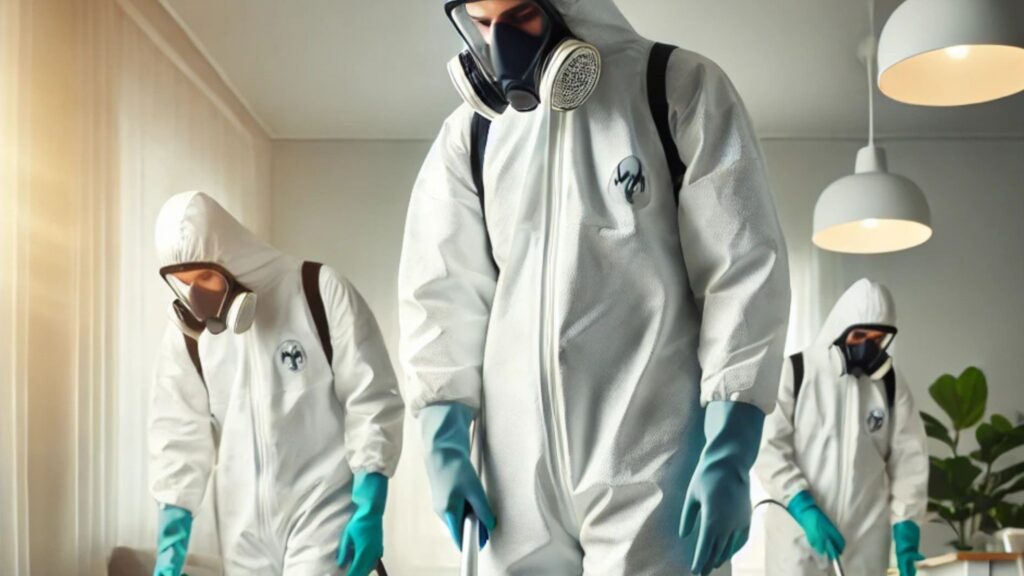
PPE is the first line of defense against biohazards. The Occupational Safety and Health Administration (OSHA) mandates specific PPE requirements for biohazard cleanup, including:
- Disposable gloves (nitrile gloves are preferred due to their resistance to punctures and chemicals)
- Protective suits (full-body coveralls, often Tyvek suits, to prevent skin exposure)
- Respiratory protection (N95 masks or powered air-purifying respirators (PAPRs) for airborne pathogens)
- Eye protection (goggles or face shields to prevent splashes)
- Foot coverings (disposable boot covers to avoid contamination)
All PPE must be properly disposed of after use to prevent cross-contamination.
2. Hazard Assessment and Containment
Before cleanup begins, a thorough hazard assessment is conducted to identify risks and determine the appropriate response. Key steps include:
- Securing the area – Restricting access to unauthorized personnel.
- Ventilation control – Using negative air pressure systems to prevent airborne pathogens from spreading.
- Containment barriers – Sealing off affected areas with plastic sheeting to prevent contamination of clean zones.
3. Proper Disinfection and Decontamination
Biohazard cleanup involves more than just removing visible waste—it requires complete disinfection. The process includes:
- Applying EPA-approved disinfectants (such as hydrogen peroxide-based cleaners or bleach solutions for bloodborne pathogens).
- Using specialized equipment (ultraviolet (UV) lights, ozone machines, and foggers for thorough decontamination).
- Following a strict cleaning hierarchy – Working from the least contaminated to the most contaminated areas to avoid spreading pathogens.
4. Safe Handling and Disposal of Biohazardous Waste
Biohazard waste must be handled and disposed of according to federal, state, and local regulations. Key steps include:
- Using OSHA-compliant containers (red biohazard bags, puncture-resistant sharps containers).
- Labeling all waste with biohazard symbols for proper identification.
- Transporting waste safely – Only licensed hazardous waste disposal companies should handle final disposal.
Improper disposal can result in legal penalties and public health risks.
5. Post-Cleanup Verification and Documentation
After cleanup, verification ensures the area is safe for re-entry. This involves:
- ATP testing (adenosine triphosphate swabs to detect organic residues).
- Third-party testing (independent labs may verify decontamination).
- Detailed documentation (photos, reports, and compliance records for legal and insurance purposes).
6. OSHA and Other Regulatory Compliance
Biohazard cleanup companies must comply with several regulations, including:
- OSHA’s Bloodborne Pathogens Standard (29 CFR 1910.1030) – Requires training, PPE, and exposure control plans.
- EPA regulations – Governs the use of disinfectants and hazardous waste disposal.
- State and local health department guidelines – Some areas have additional requirements for crime scene cleanup and infectious waste handling.
Failure to comply can result in fines, lawsuits, and loss of licensure.
Training and Certification for Biohazard Cleanup Technicians
Proper training is critical for safety. Reputable companies ensure their teams are certified through organizations such as:
- The American Bio Recovery Association (ABRA)
- The Institute of Inspection, Cleaning and Restoration Certification (IICRC)
- OSHA Hazardous Waste Operations and Emergency Response (HAZWOPER) training
- Ongoing education keeps technicians updated on the latest safety protocols and emerging biohazards (such as fentanyl exposure risks in drug lab cleanups).
Conclusion
Professional biohazard cleanup is not a job for untrained individuals—it requires expertise, precision, and strict adherence to safety protocols. From PPE and containment to proper waste disposal and regulatory compliance, every step is designed to minimize risks and protect public health.
If you encounter a biohazard situation (such as a crime scene, unattended death, or sewage backup), always call certified professionals rather than attempting DIY cleanup. The risks are simply too great to handle without the proper training and equipment.
By following these safety protocols, biohazard cleanup professionals ensure that hazardous environments are restored to safe, livable conditions—protecting workers, clients, and communities from harm.
Need Professional Biohazard Cleanup Services in Maine?, Call Us
If you require expert biohazard remediation, contact us on (207) 531-1200, we are a licensed biohazard cleanup company in Maine. Our trained technicians will handle the situation with the utmost care and compliance, giving you peace of mind in even the most challenging circumstances.