 PuroClean of Auburn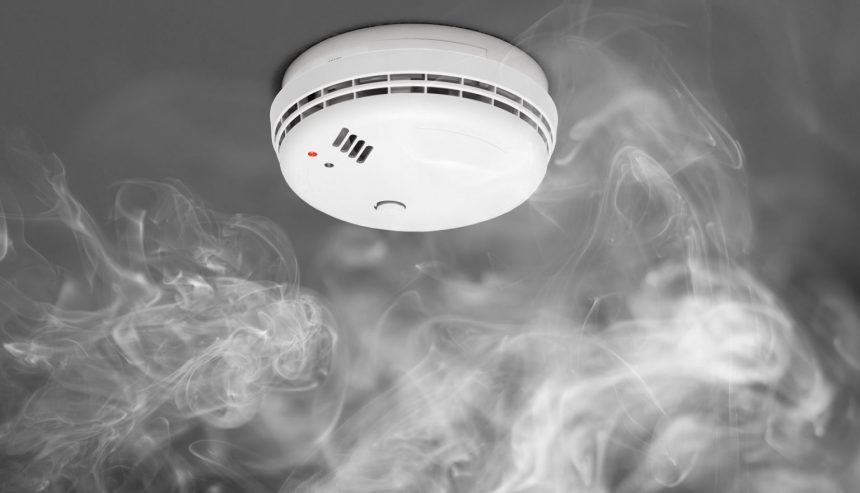
Most people think the worst part of a fire is the flames—but for Auburn homeowners, the real danger often comes afterward. Smoke damage is one of the most harmful and persistent types of fire-related damage. It infiltrates every corner of your home, even areas untouched by flames.
From health hazards to hidden structural impacts, smoke can leave lasting damage if not addressed quickly and correctly. This blog reveals why smoke damage is so serious, how it spreads, and what Auburn homeowners must know about proper restoration.
Why Smoke Damage Is So Dangerous
Smoke is a complex mixture of chemicals, gases, and microscopic particles created by burning materials. In a house fire, plastics, fabrics, wood, insulation, and electronics all release different toxins.
Health Hazards of Smoke Residue
Smoke particles are incredibly small—often less than 2.5 microns. This allows them to enter the lungs and bloodstream.
Potential effects include:
- Respiratory irritation
- Headaches or dizziness
- Eye and throat irritation
- Long-term respiratory issues
- Worsening allergies and asthma
Children, older adults, and those with health conditions are especially vulnerable.
How Smoke Travels Through a House
Even a small fire can push smoke through the entire structure, leaving behind a residue called soot.
Smoke travels through:
- HVAC systems
- Wall cavities
- Electrical outlets
- Attics and crawl spaces
- Insulation and soft materials
- Upholstery and clothing
This is why homeowners often notice smoke odor in rooms that were never near the fire.
Types of Smoke Damage
Different materials produce different types of smoke. Each requires a different cleaning method.
1. Wet Smoke
Created by burning plastic or rubber. Thick, sticky, and hard to clean.
2. Dry Smoke
Created by high-temperature fires involving wood or paper. Easier to clean but spreads quickly.
3. Protein Smoke
Produced by kitchen fires. Invisible but leaves strong odors.
4. Fuel/Oil Smoke
Less common in homes but extremely corrosive.
Identifying the smoke type is essential for proper restoration.
What Professional Smoke Damage Restoration Includes
1. Full Inspection & Damage Assessment
Experts identify smoke paths, affected materials, and the type of soot present.
2. HVAC System Cleaning
Smoke and soot can remain in ductwork for months if not treated.
3. Deep Cleaning of Surfaces
Specialized techniques remove soot without forcing it deeper into porous materials.
4. Odor Removal
Odor removal methods include:
- Thermal fogging
- Ozone treatment
- Air scrubbers
- HEPA filtration systems
5. Structural Repairs
Severely damaged drywall, insulation, or cabinetry may need full replacement.
Why Smoke Damage Should Never Be a DIY Project
Household cleaners can actually worsen soot damage by spreading it further. Many surfaces require industry-grade chemicals, tools, and protective equipment.
Professional restoration ensures:
- Complete removal of toxins
- Protection of belongings
- Prevention of long-term damage
- Safe indoor air quality
Smoke damage is far more complex and dangerous than most people realize. For Auburn homeowners recovering from a fire, professional smoke cleanup is essential to protect your health and your home’s structural integrity. With the right team, your property can be fully restored—and your indoor air made safe again.
External Sources
- American Lung Association Smoke Exposure Info: https://www.lung.org
- CDC Indoor Air Quality Guidance: https://www.cdc.gov
- FEMA Fire Damage Basics: https://www.fema.gov


 PuroClean of Auburn