


Table of Contents
In our modern world, water is one of the most precious resources. However, as populations grow and industries expand, the generation of wastewater has become a significant environmental challenge. Wastewater, which includes domestic sewage, industrial effluents, and stormwater runoff, contains harmful contaminants that can pollute water bodies, harm ecosystems, and pose risks to human health.
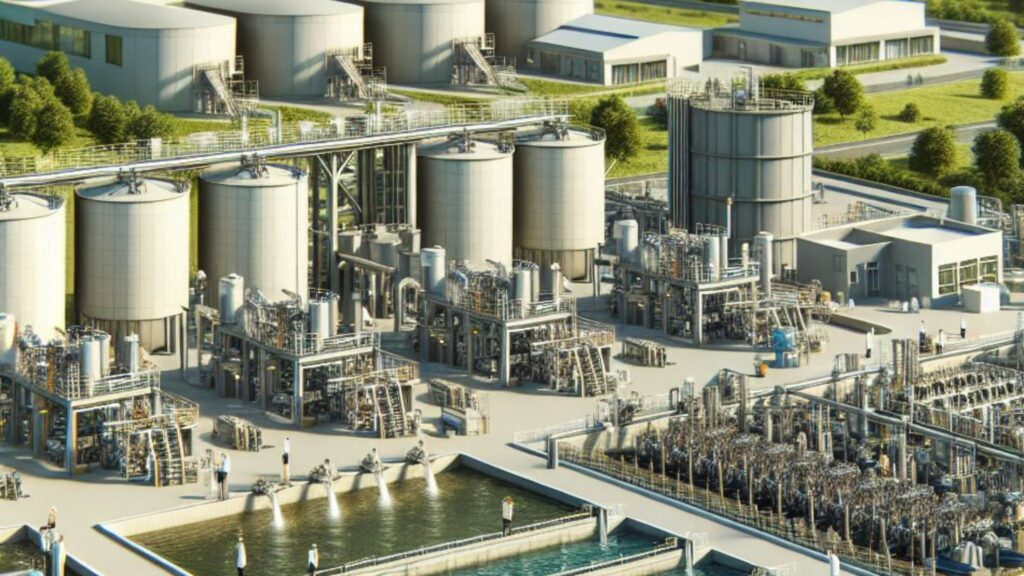
To address this issue, wastewater treatment plants (WWTPs) play a critical role in cleaning and recycling water before it is released back into the environment. In this blog post, we’ll explore what wastewater treatment plants are, how they work, and why they are essential for sustainable water management.
What is a Wastewater Treatment Plant?
A wastewater treatment plant is a facility designed to remove contaminants from wastewater, making it safe for discharge into the environment or for reuse. The primary goal of a WWTP is to protect public health and the environment by treating water to meet regulatory standards. These plants handle various types of wastewater, including:
Domestic Wastewater: Generated from households, including water from sinks, showers, toilets, and laundry.
Industrial Wastewater: Produced by manufacturing processes, which may contain chemicals, heavy metals, and other pollutants.
Stormwater: Runoff from rain or snow that can carry debris, oils, and other contaminants.
By treating wastewater, these plants help prevent water pollution, conserve water resources, and support a circular economy where water is reused and recycled.
The Wastewater Treatment Process
The wastewater treatment process is a multi-stage operation that involves physical, chemical, and biological methods to remove impurities. The process can be broadly divided into four main stages:
- Preliminary Treatment
The first stage involves removing large solids and debris from the wastewater. This is done using screens and grit chambers. Screens trap objects like plastics, rags, and sticks, while grit chambers allow heavier particles like sand and gravel to settle. This step prevents damage to equipment in subsequent stages and ensures smoother operation. - Primary Treatment
In the primary treatment stage, the wastewater flows into large sedimentation tanks, where heavier solids settle to the bottom as sludge, while lighter materials like oils and grease float to the surface. The settled sludge is removed for further processing, and the floating materials are skimmed off. This stage removes about 50-60% of suspended solids and reduces the organic load. - Secondary Treatment
Secondary treatment focuses on removing dissolved and suspended organic matter using biological processes. The most common method is the activated sludge process, where microorganisms break down organic pollutants in the presence of oxygen. The wastewater is aerated in large tanks to promote the growth of these beneficial bacteria. After treatment, the water moves to secondary clarifiers, where the microbial biomass settles out as sludge. Some of this sludge is recycled back into the aeration tanks to maintain the microbial population, while the rest is sent for further processing. - Tertiary Treatment
Tertiary treatment is an advanced stage that further purifies the water to meet specific quality standards. This stage may involve processes like filtration, disinfection (using chlorine, ultraviolet light, or ozone), and nutrient removal (nitrogen and phosphorus). Tertiary treatment is particularly important when the treated water is intended for reuse in irrigation, industrial processes, or even drinking water.
Sludge Treatment and Disposal
The sludge generated during primary and secondary treatment undergoes additional processing to reduce its volume and stabilize its organic content. Common methods include anaerobic digestion, where microorganisms break down the sludge in the absence of oxygen, producing biogas (a renewable energy source) as a byproduct. The digested sludge can be dewatered and used as fertilizer or disposed of in landfills.
Why Wastewater Treatment Plants Matter
Wastewater treatment plants are vital for several reasons:
Environmental Protection: Untreated wastewater can contaminate rivers, lakes, and oceans, harming aquatic life and ecosystems. WWTPs ensure that water is cleaned before being released, preserving biodiversity.
Public Health: Wastewater often contains pathogens and harmful chemicals that can cause diseases. Treatment plants remove these hazards, protecting communities from waterborne illnesses.
Water Reuse: With freshwater resources becoming increasingly scarce, treated wastewater can be reused for agriculture, industrial processes, and even potable water supply, promoting sustainability.
Regulatory Compliance: WWTPs help industries and municipalities comply with environmental regulations, avoiding fines and legal issues.
Resource Recovery: Modern WWTPs are designed to recover valuable resources like energy (biogas), nutrients (phosphorus and nitrogen), and water, contributing to a circular economy.
Challenges and Innovations in Wastewater Treatment
Despite their importance, wastewater treatment plants face challenges such as high operational costs, aging infrastructure, and the need to handle emerging contaminants like pharmaceuticals and microplastics. To address these issues, the industry is embracing innovative technologies like membrane bioreactors, advanced oxidation processes, and artificial intelligence for process optimization. Decentralized treatment systems and nature-based solutions like constructed wetlands are also gaining popularity for their cost-effectiveness and environmental benefits.
Conclusion
Wastewater treatment plants are unsung heroes in our quest for clean water and a healthy environment. By effectively removing contaminants and enabling water reuse, they play a crucial role in sustainable water management. As we face growing water scarcity and environmental challenges, investing in advanced wastewater treatment technologies and infrastructure will be essential. By understanding and supporting these systems, we can ensure a cleaner, healthier future for generations to come.
Whether you’re a policymaker, an industry professional, or a concerned citizen, recognizing the importance of wastewater treatment is the first step toward fostering a more sustainable relationship with our planet’s most vital resource—water.