


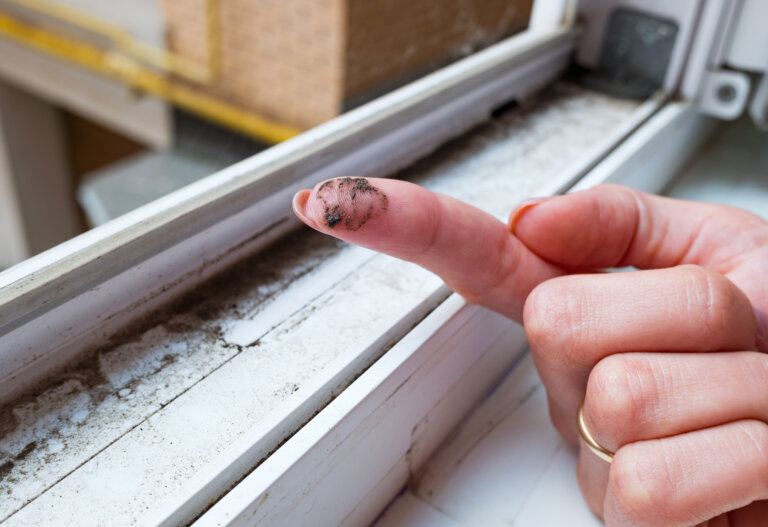
If you have ever spotted a dark, greenish-black patch spreading across a bathroom ceiling or creeping along the corner of a basement wall, your first instinct was probably alarm.
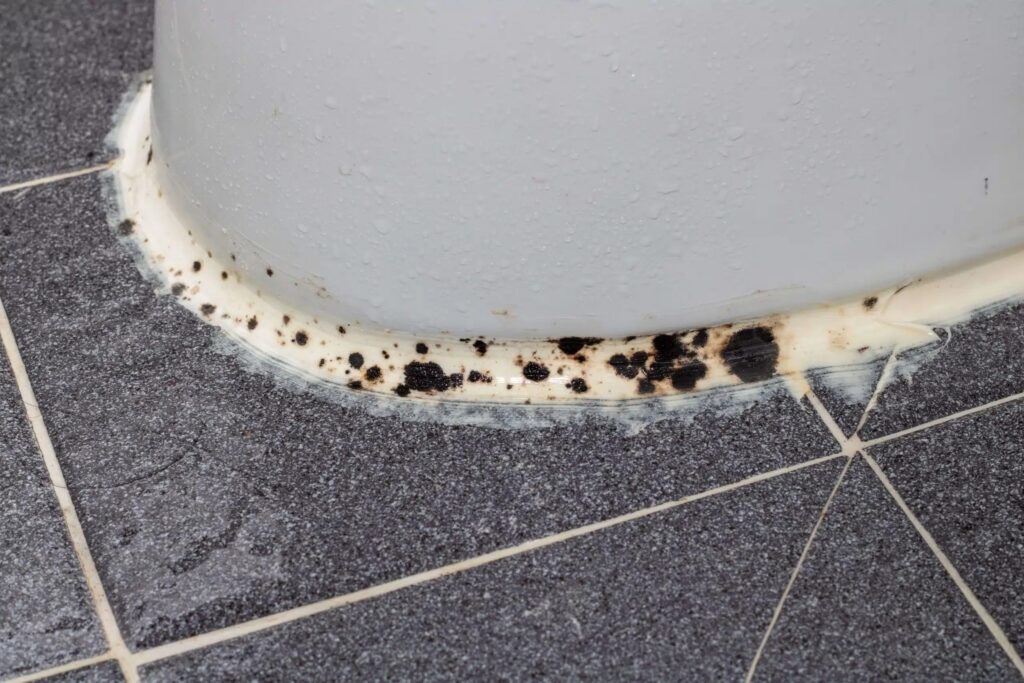
That instinct is worth listening to. Black mold is one of the most talked-about household hazards, and for good reason. But between the genuine health risks and the widespread myths, it can be hard for homeowners to know when to act and when to take a breath.
This guide is written specifically for Baldwin residents who want clear, honest answers about black mold, what it is, how dangerous it really is, and the signs that mean you should stop waiting and call a professional today.
What Is Black Mold, and How Is It Different from Other Molds?
The term “black mold” typically refers to Stachybotrys chartarum, a specific species of fungus that thrives in environments with persistent moisture and organic material to feed on. It earns its name from its dark greenish-black appearance, though it can sometimes look slimy or have a musty, earthy odor that homeowners describe as distinctly unpleasant.
Read Also: Does Insurance Cover Water Damage in Nassau and Long Island Baldwin?
Not every mold you see in your home is Stachybotrys. There are thousands of mold species, and many of them appear dark or black. Cladosporium, Aspergillus, and Penicillium are all common household molds that can look similar to the untrained eye. This distinction matters because Stachybotrys produces mycotoxins, chemical compounds that can be harmful to humans and animals when inhaled, ingested, or contacted over time.
Visual identification alone is not reliable. A mold that looks black on your drywall might be a less dangerous species, or it might be Stachybotrys. The only way to know for certain is through professional testing. What matters most from a practical standpoint is not just the species, but the extent of the growth and whether it is in a location that puts your household at ongoing risk.
Why Baldwin Homes Are Particularly Susceptible to Mold Growth
Baldwin’s climate plays a significant role in why mold is a recurring concern for homeowners here. The region sees high humidity levels, especially during summer months, combined with periods of heavy rainfall that can overwhelm drainage systems and push water into basements, crawl spaces, and wall cavities. Homes that sit close to the water face additional exposure through salt air and fluctuating moisture levels throughout the year.
Older housing stock in Baldwin compounds these challenges. Many homes were built before modern moisture barriers and ventilation standards were established. Aging roofs, outdated plumbing, and insufficient attic ventilation all create the kind of prolonged dampness that mold needs to take hold. Even a slow pipe leak behind a wall, if left unaddressed for weeks, can create the perfect conditions for a mold colony to establish itself.
Seasonal flooding events have also become more frequent in recent years. When floodwater enters a home, it does not just recede cleanly. Moisture seeps into subfloors, insulation, and drywall, and if the drying process is rushed or incomplete, mold can develop within 24 to 48 hours. Many Baldwin homeowners who experienced flooding and thought they dealt with it adequately later discovered mold growth months later in hidden areas.
The Real Health Risks of Black Mold Exposure
The health effects of black mold exposure vary widely depending on the individual, the duration of exposure, and the concentration of mold spores and mycotoxins in the environment. For most healthy adults, short-term exposure to a small area of mold may cause mild symptoms. For others, the consequences can be far more serious.
Common symptoms associated with mold exposure include:
- Persistent coughing or wheezing
- Nasal and sinus congestion
- Eye irritation, redness, or watering
- Skin rashes or itching
- Throat irritation and difficulty swallowing
- Headaches that are difficult to explain
- Fatigue and difficulty concentrating
People with asthma, chronic respiratory conditions, weakened immune systems, or mold allergies face heightened risks. For these individuals, what starts as mild irritation can escalate into serious respiratory distress, lung infections, or hypersensitivity pneumonitis, a condition where the lungs become inflamed in response to repeated mold exposure.
Children and the elderly are also more vulnerable. Young children who are still developing their respiratory and immune systems can experience lasting effects from prolonged mold exposure in the home. For elderly residents, whose immune response is often diminished, mold-related infections can become life-threatening without prompt treatment.
It is worth noting that not every health concern in a home with mold is necessarily caused by the mold. But when symptoms persist without another clear cause, and especially when they improve after time away from the home, mold should be taken seriously as a potential culprit.
Warning Signs That Demand Immediate Attention
Some mold situations are minor enough to be addressed with cleaning products and improved ventilation. Others require professional remediation without delay. Knowing the difference can protect both your health and your property value.
You should contact a mold remediation professional immediately if you observe any of the following:
Large or spreading growth
Any mold colony covering more than 10 square feet should be treated as a serious issue. At this scale, disturbing the mold without proper containment can release massive numbers of spores into the air throughout your home.
Mold inside walls or under flooring
If you notice warped walls, soft spots in your flooring, or paint that is bubbling and peeling without another explanation, mold may have taken hold inside structural materials. Hidden mold is often more dangerous than visible mold because it goes untreated for longer.
Mold in your HVAC system
This is a critical situation. When mold grows in air ducts, filters, or around the air handler, spores are actively distributed throughout every room in your home every time the system runs. If you notice a musty smell coming from vents or see visible growth near air registers, stop using the system and call for inspection immediately.
Mold after flooding or a major water event
If your home experienced flooding, a burst pipe, or a roof leak, and you did not have the affected areas professionally dried and inspected, assume mold may be present. Even if you cannot see it yet, conditions are ideal for it to grow.
Ongoing health symptoms without a clear cause
When members of your household are experiencing respiratory symptoms, headaches, or unexplained fatigue that improve when they leave the home, mold exposure should be investigated. Do not wait for visible confirmation before seeking a professional assessment.
DIY Cleaning Versus Professional Remediation: Where the Line Falls
There are situations where a homeowner can safely address a mold problem. A small area of surface mold on tile grout, a bathroom ceiling, or a non-porous countertop can often be cleaned with appropriate products and protective gear. The key word here is small, typically less than a few square feet, and the key condition is that the mold has not penetrated porous materials like drywall, wood framing, or insulation.
When mold has grown into porous materials, cleaning the surface does not solve the problem. The mold continues to grow inside the material, and if those materials are not removed and replaced, the problem will return. This is why so many homeowners who attempt DIY remediation find themselves dealing with recurring mold growth in the same spot within weeks or months.
Read Also: Why Your House Smells Musty (And When It’s a Serious Problem)
Professional remediators bring equipment and protocols that go beyond what any homeowner can replicate with store-bought products. Negative air pressure containment systems prevent spores from spreading during removal. HEPA filtration vacuums capture microscopic particles that ordinary vacuums simply redistribute into the air. Antimicrobial treatments applied after removal help prevent regrowth. Post-remediation air testing confirms that spore levels have returned to safe ranges.
For Baldwin homeowners, one additional consideration is moisture control. Professional remediators will identify and address the source of moisture that allowed mold to grow in the first place. Without fixing that underlying problem, no amount of cleaning will produce a lasting result.
Steps Baldwin Homeowners Should Take Right Now
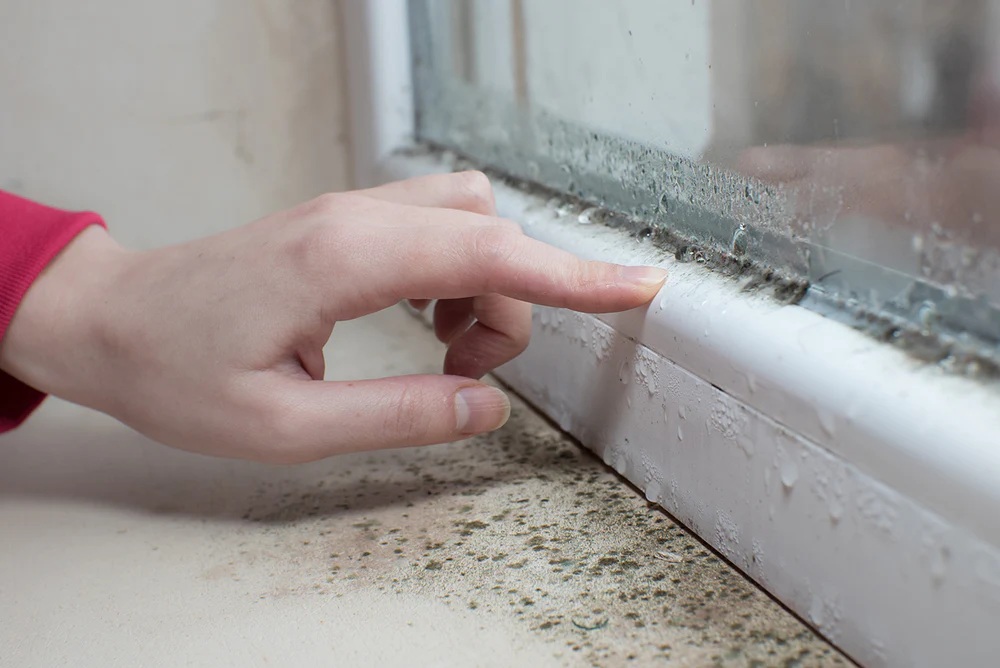
Whether you have spotted mold or are simply concerned about conditions in your home, there are practical steps you can take immediately.
Control moisture throughout your home
Keep indoor humidity levels below 50 percent. Use dehumidifiers in basements and other damp areas. Make sure bathroom and kitchen exhaust fans are properly vented to the outside, not just into the attic. Fix any known leaks, no matter how minor they seem, as quickly as possible.
Inspect vulnerable areas regularly
Basements, crawl spaces, under sinks, around water heaters, and along exterior walls are all prime locations for hidden mold. Add these to your routine home maintenance checklist, especially after heavy rain or any sign of water intrusion.
Take action on water damage within 24 to 48 hours
Mold can begin growing within 24 to 48 hours of water exposure. If you experience any type of flooding or significant leak, begin the drying process immediately. Use fans and dehumidifiers, remove saturated materials, and if the affected area is large, consider professional water damage restoration.
Schedule a professional mold inspection
If you have any reason to suspect mold but cannot locate it visually, a professional inspection can use moisture meters and air sampling to identify hidden growth. This is particularly important before purchasing a home or following any significant water event.
Do not disturb suspected mold without protection
If you see what appears to be a significant mold growth, do not try to clean it, scrub it, or remove materials without proper protective equipment and containment. Disturbing a large mold colony without precautions can cause a massive release of spores that contaminates areas of your home that were previously unaffected.
Choosing the Right Mold Remediation Company in Baldwin
Not all remediation companies are equal, and the mold remediation industry has its share of contractors who cut corners or use the threat of mold to oversell services. Here is what to look for when choosing a company to trust with this work.
Look for companies with certifications from recognized industry organizations such as the Institute of Inspection Cleaning and Restoration Certification (IICRC) or the American Council for Accredited Certification (ACAC). These credentials indicate that technicians have received formal training in proper remediation protocols.
Be cautious of any company that skips testing and jumps straight to remediation, or one that refuses to provide a written scope of work before beginning. A reputable contractor will conduct an assessment first, explain what they found, outline exactly what they will do and why, and offer post-remediation testing to confirm the work was successful.
Ask for references from previous clients, particularly those in Baldwin or the surrounding area who dealt with similar mold situations. Local experience matters because a company familiar with the region’s specific moisture challenges will bring relevant knowledge to your project.
Finally, make sure the company is properly insured. Mold remediation carries risks, both to workers and to your property. A contractor without adequate insurance leaves you exposed if something goes wrong during the process.
Long-Term Mold Prevention for Baldwin Properties
Remediation solves the immediate problem, but prevention is what keeps mold from returning. For Baldwin homeowners, a long-term prevention strategy should address both moisture control and structural vulnerabilities.
Read Also: Mold on Ceiling: Is It Dangerous or Just Cosmetic?
Consider having your home’s crawl space encapsulated if it is not already. Crawl space encapsulation involves sealing the ground with a heavy vapor barrier and sometimes conditioning the space with a dehumidifier. This eliminates one of the most common pathways for ground moisture to enter a home’s structure.
Gutters and downspouts play a larger role in mold prevention than most homeowners realize. When gutters are clogged or downspouts direct water toward the foundation, moisture accumulates in areas where it can work its way into the home. Cleaning gutters twice a year and ensuring downspouts extend at least six feet from the foundation are simple steps with significant impact.
Improving attic ventilation is another often-overlooked measure. When warm, moist air from the living space rises into an inadequately ventilated attic, condensation builds on the roof sheathing and framing, creating ideal mold conditions. A roofing contractor or home inspector can assess whether your attic ventilation meets current standards.
Air sealing the building envelope reduces the amount of humid outdoor air that enters your home. This is particularly valuable during Baldwin’s humid summer months, when outdoor air can carry significant moisture into cooler, air-conditioned spaces where it condenses on cool surfaces.
Conclusion: Do Not Let Uncertainty Become Inaction
Black mold is a legitimate health concern, and it is one that Baldwin homeowners face with greater frequency than those in drier climates. The good news is that when mold is identified early and remediated properly, the damage to both health and property can be contained. The danger lies in waiting, in assuming a small spot will not spread, that symptoms are seasonal allergies, or that the smell will go away on its own.
If something in your home looks wrong, smells wrong, or is making your family feel unwell, take it seriously. A professional inspection costs far less than the remediation required after months of unaddressed mold growth, and far less than the medical expenses that can result from prolonged exposure.
Baldwin homeowners who stay proactive about moisture control, act quickly after water events, and work with qualified professionals when mold is suspected are the ones who protect their homes and their families effectively. The right time to take action is always now, not later.

Connect With Us on Social Media!
Facebook | Instagram | Twitter | NextDoor | Pinterest | Google Reviews | LinkedIn | Tiktok | YouTube


