


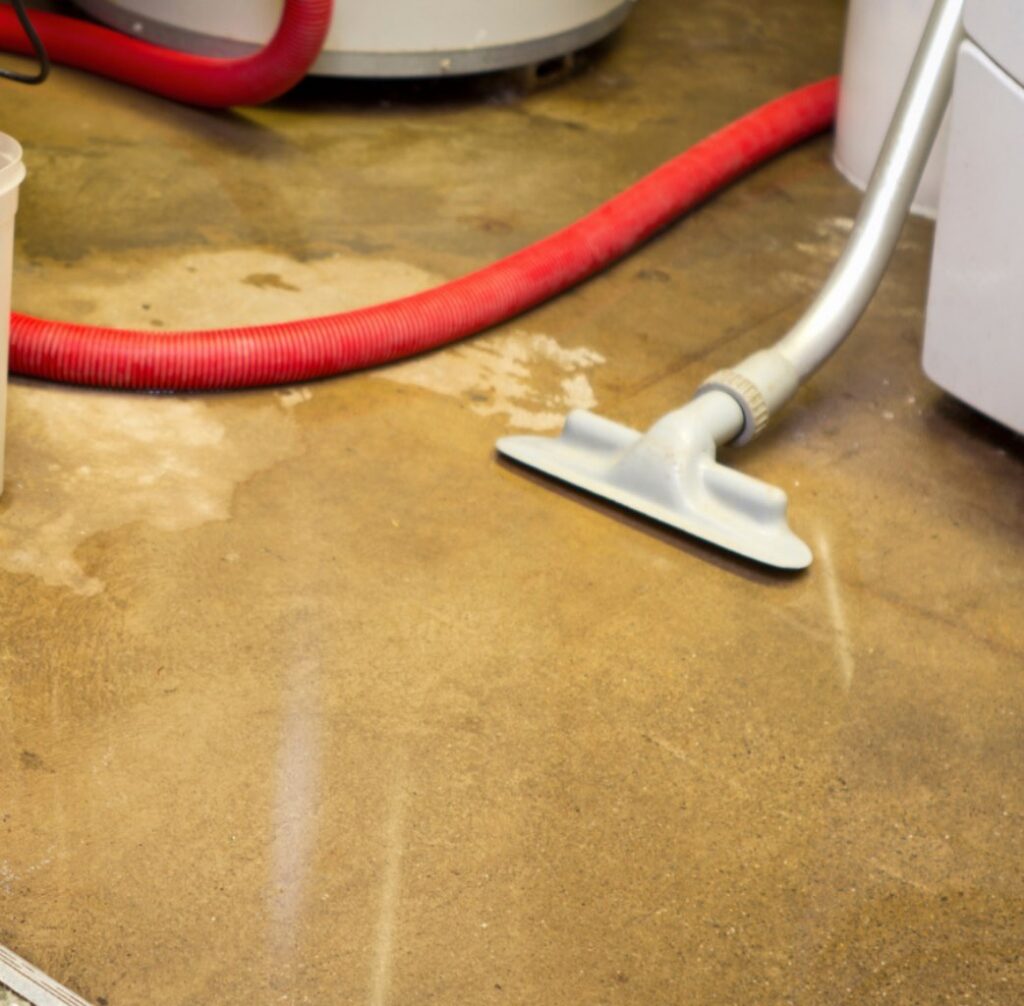
When water enters your home due to a disaster or plumbing issue, the damage can be severe. It can destroy belongings, weaken your home’s structure, and lead to mold growth. Acting quickly is essential to minimize damage and repair costs.
Two crucial processes in water damage recovery are mitigation and remediation. Understanding their differences will help you make informed decisions, ensuring immediate and long-term restoration needs are met.
What is Water Mitigation?
Water mitigation is the first step in addressing water damage. It involves preventing further water damage by removing excess water and drying the affected areas. The primary goal is to stabilize the situation and prevent additional damage, such as mold growth or structural issues. Mitigation is about controlling the damage and ensuring that it doesn’t worsen.
By promptly addressing the water intrusion, homeowners can significantly reduce the risk of more severe problems later on, such as compromised foundations or irreversible material damage.
Key Steps in Water Mitigation
Inspection & Assessment: Professionals evaluate the extent of the damage, identify the water source, and develop a targeted plan for mitigation. Addressing the most critical areas first helps prevent further deterioration.
Water Removal: Using high-powered pumps and vacuums, standing water is quickly extracted to prevent it from seeping into walls, floors, and structural materials, reducing the risk of secondary damage.
Drying & Dehumidification: Industrial-grade dehumidifiers and air movers are strategically placed to eliminate excess moisture, ensuring that even hard-to-reach areas are thoroughly dried to prevent mold growth.
Cleaning & Sanitizing: All affected surfaces are cleaned with specialized agents to remove contaminants and bacteria. This step helps restore a safe and healthy indoor environment while preventing future microbial growth.
Monitoring: The drying process is closely monitored with moisture detection tools to ensure all areas are completely dry, making adjustments as needed to prevent lingering issues.
What is Water Remediation?
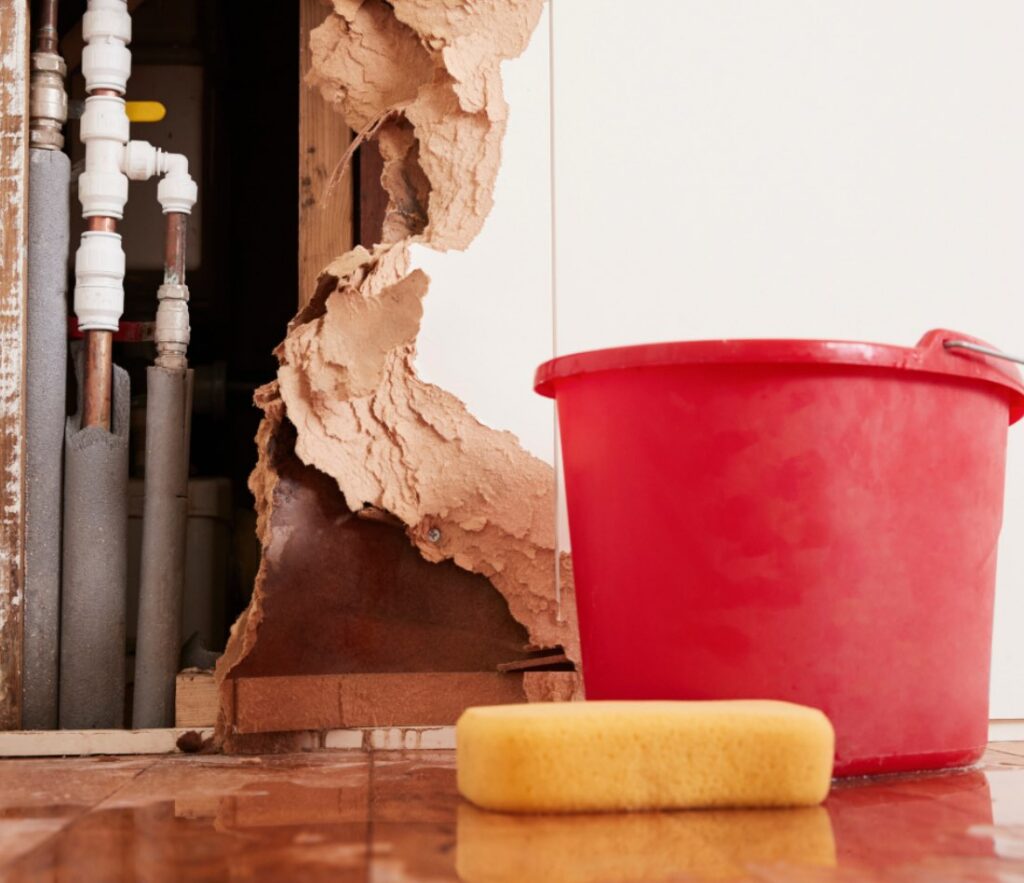
Once the initial mitigation phase is complete, the focus shifts to remediation. Water remediation involves repairing and restoring the damaged areas to their original condition. This process can include structural repairs, replacing damaged materials, and addressing mold growth if it has occurred.
Remediation is about bringing your home back to a safe and comfortable living environment. By addressing both visible and hidden damages, remediation ensures that your home is not only restored but also fortified against future incidents.
Key Steps in Water Remediation
Repairing Structural Damage: Walls, floors, and ceilings weakened by water are repaired to restore the home’s integrity and prevent future risks. Skilled professionals use advanced techniques to ensure durability and a seamless finish.
Replacing Damaged Materials: Severely affected materials like insulation, drywall, and flooring may need to be replaced. This step helps maintain energy efficiency, structural stability, and the home’s aesthetic appeal. Choosing the right materials ensures longevity and a cohesive design.
Mold Remediation: If mold has developed, experts use specialized techniques to remove it safely and prevent regrowth. Proper mold remediation improves indoor air quality and reduces health risks associated with mold exposure.
Final Cleaning & Restoration: A thorough cleaning ensures the home is safe, habitable, and free of contaminants. Restorative efforts focus on returning the home to its pre-damage condition, providing homeowners with peace of mind.
Water Mitigation vs. Remediation: Understanding the Differences
While both processes are essential, they serve different purposes. Water mitigation is about stopping further damage, while remediation focuses on repairing and restoring the home. In most cases, homeowners will need both services to fully recover from water damage. Understanding these distinctions helps in planning an effective response strategy that addresses immediate and long-term needs.
When to Choose Water Mitigation
- Immediate Response Needed: When a flood or leak occurs, water mitigation is critical to prevent additional damage. Rapid response helps safeguard the property and its contents, reducing the overall impact of the water intrusion. Homeowners should prioritize mitigation to quickly stabilize the situation.
- Preventing Mold Growth: Quick action can prevent mold from developing, which is a common consequence of water damage. By controlling moisture levels early, homeowners can avoid the complex and costly process of mold remediation. Prevention is always preferable to dealing with an established mold problem.
- Protecting Structural Integrity: Mitigation helps protect the home’s structure from further harm. By addressing water issues promptly, homeowners can prevent damage to load-bearing elements and maintain the building’s safety. Preserving structural integrity also helps maintain property value.
When to Choose Water Remediation
- After Mitigation is Complete: Once the home is stabilized, remediation is the next step to restore its original condition. This phase ensures that all damage is addressed, and the home is returned to a fully functional state. Homeowners should plan for remediation to complete the recovery process.
- Addressing Mold Issues: If mold has already developed, remediation will be necessary to remove it safely. Professional intervention is crucial to effectively eliminate mold and prevent its return. Homeowners should not delay mold remediation to avoid health risks.
- Comprehensive Restoration: Remediation ensures that all damaged areas are repaired and the home is fully restored. This approach addresses both visible damage and potential underlying issues. Complete restoration provides homeowners with confidence in their home’s safety and functionality.
Why Work with a Professional Water Damage Restoration Service?
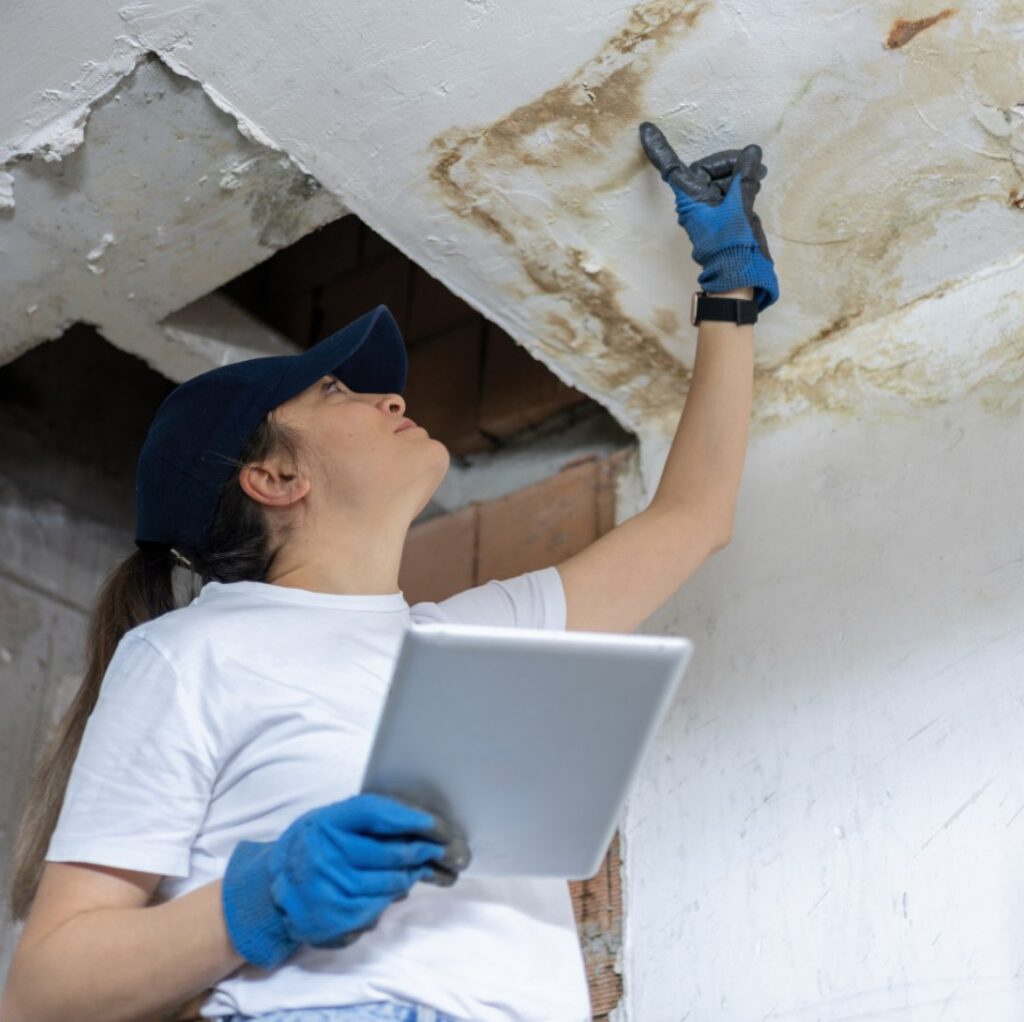
Choosing a professional water damage restoration service in Bartlett ensures that both mitigation and remediation are handled effectively. Professionals have the expertise, equipment, and experience to manage the entire process efficiently. Their involvement can significantly reduce the stress and uncertainty that accompany water damage incidents.
Benefits of Professional Services
- Expertise and Advanced Equipment: Water damage professionals quickly assess and address issues using their expertise and specialized equipment. Their advanced tools ensure efficient water extraction, thorough drying, and effective restoration—far beyond what typical homeowners can achieve.
- Comprehensive Service: From initial mitigation to final remediation, professionals handle every step of the process. This approach provides homeowners with a single point of contact and consistent quality throughout the restoration. Comprehensive service minimizes disruption and speeds up recovery.
- Insurance Assistance: Many restoration companies can assist with insurance claims, making the process smoother for homeowners. Their familiarity with insurance procedures can help ensure claims are processed quickly and fairly. This support can alleviate the financial and administrative burden on homeowners.
Tips for Choosing a Water Mitigation Company
When selecting a water mitigation company, consider the following:
- Reputation and Reviews: Look for companies with positive customer reviews and a solid reputation in the community.
- Certification and Licensing: Ensure the company is certified and licensed to perform water damage restoration.
- Response Time: A fast-acting company can minimize damage and reduce restoration time. Inquire about their availability and response policies before making a decision.
- Comprehensive Services: Opt for a company that offers both mitigation and remediation services for a seamless recovery process. This ensures continuity and consistency in managing your restoration project.
Conclusion
Water damage can be a challenging situation for any homeowner. By understanding the differences between water mitigation and remediation, you can make informed decisions that will protect your home and ensure a successful restoration.
Partnering with a professional water damage restoration service in Bartlett can provide peace of mind and help you return your home to its pre-damage condition efficiently and effectively. Leveraging professional expertise ensures that all aspects of water damage are addressed comprehensively.
For expert water mitigation and remediation services in Bartlett, contact our team at PuroClean of Bartlett today!