


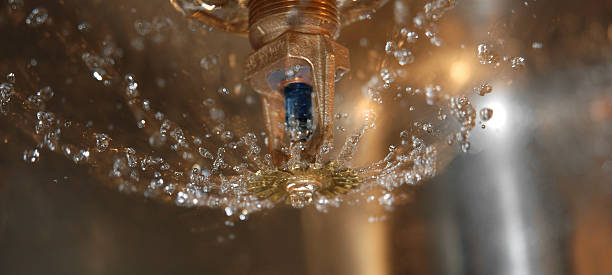
Fire sprinkler water damage was part of a local news story this week, and it was good news. On Friday morning, November 20, a small fire started in the break room of the Walmart in Streator. A single sprinkler activated from the heat and put the fire out before firefighters arrived. The store had no smoke or fire damage, only minor water damage in the break room.
That is the best case, but sprinkler water still has to go somewhere. Fast drying keeps a small cleanup from turning into mold, warped floors, and ruined inventory. That is where professional water damage restoration comes in for homes, offices, and apartment buildings across Bloomington-Normal.
Knowing how fire sprinkler water damage behaves helps you act faster. Here are six facts every owner, manager, and renter should know.
Quick Answer: How Bad Is Fire Sprinkler Water Damage?
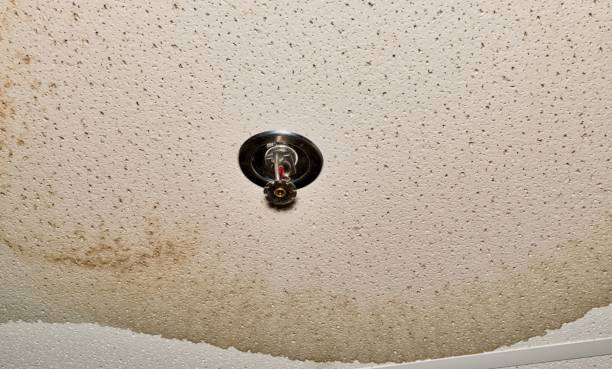
In most cases, fire sprinkler water damage is far smaller than the damage an uncontrolled fire would cause. Usually only the sprinkler closest to the heat opens, so water stays in one area. The bigger risks come from water you cannot see. Moisture can soak into drywall, carpet pad, and subfloors, then spread to rooms below.
Fact 1: Usually Only One Sprinkler Head Opens
Many people picture every sprinkler in a building going off at once, like in the movies. That is not how most systems work. Each head has its own heat-sensitive trigger, and it opens only when the air around it gets hot enough.
According to the National Fire Protection Association, only one sprinkler operated in 77% of fires where sprinklers activated. In 97% of those fires, five or fewer operated. That is exactly what happened in Streator. One head did the job, and the water stayed in the break room.
Fact 2: Sprinkler Water Is Often Dirtier Than You Think
The water in a sprinkler pipe can sit still for years. Over time, it can pick up rust, sediment, and bacteria from the pipes. That is why some people search “why is fire sprinkler water black” after an activation.
This stale water can stain ceilings, carpets, and furniture. It can also leave a strong, musty odor. Treat fire sprinkler water damage as more than a simple clean-water spill. Wear gloves during cleanup, and do not let children or pets play in it.
Fact 3: Water Travels Farther Than the Puddle
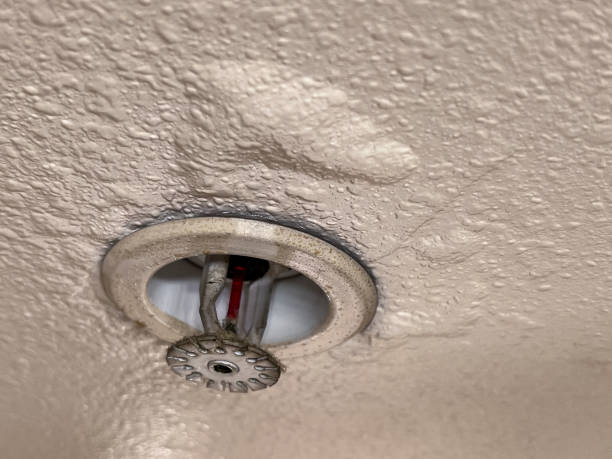
The puddle under the sprinkler head is only part of the story of fire sprinkler water damage. Water runs along floors, under baseboards, and into wall cavities. In multi-story buildings, it can drip through ceilings into the floor below.
Sprinklers usually release far less water than hose lines. Here is how sprinkler water compares with other sources during a fire:
| Water source | Typical spread | Common hidden damage |
| One sprinkler head | One room or zone | Wet drywall, carpet pad, ceiling below |
| Several sprinkler heads | Several rooms | Subfloors, wall cavities, insulation |
| Firefighter hose lines | Whole floors | Structure, contents, lower levels |
| Accidental head break | One area, but long flow if unnoticed | Deep soaking before shutoff |
A slow drip from a damaged head can be worse than a fast activation. Nobody notices it until the ceiling stains or the floor buckles. By then, fire sprinkler water damage may reach framing and insulation.
Fact 4: Sprinklers Can Go Off Without a Fire
Not every activation starts with flames. Fire sprinkler water damage also comes from accidents and maintenance problems. These are the most common non-fire causes:
- Physical damage: A ladder, box, or moving cart strikes a head.
- Hanging items: Someone hangs clothes or decorations from a pipe or head.
- Freezing: Pipes in unheated spaces freeze, crack, and leak when they thaw.
- Corrosion: Old pipes and fittings weaken and start to drip.
- High heat: A space heater or lamp placed too close triggers a head.
Holiday decorating season raises some of these risks for homes and businesses. Never hang lights, garland, or signs from sprinkler heads or pipes. In Central Illinois, unheated stairwells and attics also need attention once nights drop below freezing.
Fact 5: The First 48 Hours Decide the Outcome
Speed matters more than anything else with fire sprinkler water damage. Wet materials can start growing mold within 24 to 48 hours. Wood swells, drywall softens, and adhesives under flooring begin to fail. Carpet pad holds water like a sponge, even when the surface feels dry.
Professional drying focuses on finding and removing hidden moisture. Technicians use moisture meters and thermal cameras to map wet areas. Then they set up air movers and dehumidifiers. They check readings each day until materials reach dry standards.
This careful process stops fire sprinkler water damage from turning into a mold problem. It also shows when floors and walls can be safely closed up.
Fact 6: Insurance Usually Treats It as Sudden Water Damage
Most property policies cover sudden water release from a sprinkler system. Coverage can depend on the cause, though. Long-term leaks from corrosion or poor maintenance may be treated differently.
Document everything before cleanup begins. Take photos and video of wet areas, damaged items, and the sprinkler head. Keep receipts for emergency repairs, and ask your agent how your policy handles fire sprinkler water damage. Clear records make the claim easier for owners, managers, and tenants.
What to Do After a Sprinkler Activates
Act quickly and safely once the fire department says the building is clear. These steps help limit fire sprinkler water damage:
- Confirm the fire is out. Wait for the fire department to release the space.
- Stop the flow. A licensed fire protection contractor or the fire department should close the system valve.
- Cut power to wet areas. Do not touch outlets, cords, or equipment standing in water.
- Remove what you can. Lift electronics, files, and rugs off wet floors.
- Call for drying help. Schedule professional water extraction and drying right away.
- Restore protection. Have the head replaced and the system returned to service quickly.
Never cap or disable a sprinkler system on your own. A building without working sprinklers is far more dangerous than a wet floor.
Tips for Bloomington-Normal Property Managers
Apartment buildings, offices, and campus rentals all face the same core risks. A few simple habits reduce your chances of a costly cleanup:
- Post signs reminding tenants not to hang anything from sprinkler heads.
- Keep storage at least 18 inches below sprinkler heads, a common code requirement.
- Inspect heads for paint, damage, or corrosion during unit turnovers.
- Heat stairwells, attics, and garages where wet pipes run.
- Keep a written plan with emergency contacts and valve locations.
Students leaving for break often turn heat down too low. That can freeze sprinkler lines in exterior walls. Set a minimum thermostat setting in every unit during holidays.
A frozen line can stay quiet for days and then burst during the first thaw. In an empty unit, fire sprinkler water damage can spread for hours before anyone notices. A quick walk-through during long breaks is worth the time.
If you also had smoke or fire damage, water problems often hide behind it. Our guide to water damage after a fire explains what homeowners miss in the first two days.
When to Call a Professional
Call a restoration team if water reached drywall, carpet, ceilings, or more than one room. Call if the water was dark, smelly, or sat for more than a day. Fire sprinkler water damage in businesses also needs fast drying to reduce downtime and lost inventory.
PuroClean of Bloomington uses moisture mapping, commercial drying equipment, and daily monitoring. We document each step for your insurance claim. We also clean and deodorize areas soaked by dirty sprinkler water. That helps homes, offices, and rental properties get back to normal faster.
Frequently Asked Questions
Does fire sprinkler water damage cause mold?
It can if wet materials are not dried within 24 to 48 hours. Hidden moisture in walls and subfloors is the biggest risk. Professional drying and monitoring help prevent mold growth.
Why is fire sprinkler water black?
Water that sits in pipes for years can collect rust, sediment, and bacteria. That makes it dark and smelly when it flows. It can stain surfaces, so cleanup should start quickly.
Will one sprinkler head flood my whole building?
Usually not. Most fires are controlled by one sprinkler head, so water stays in one area. Water can still travel through floors and walls, though.
Can I clean up fire sprinkler water damage myself?
You can mop surface water from a small area on hard floors. Wet drywall, carpet pad, and ceilings need professional moisture checks. Hidden water is what usually causes mold later.
Who pays for fire sprinkler water damage in an apartment?
It depends on the cause and the policies involved. The building owner’s policy usually covers the structure. A tenant’s renters policy usually covers personal belongings.
Final Thoughts
The Streator fire shows sprinklers doing exactly what they were built to do. A small fire was stopped, and the cleanup stayed small. Fast action keeps fire sprinkler water damage just as small. Dry it quickly, document it well, and get the system back in service.
If a sprinkler activation soaks your home or business, call PuroClean of Bloomington at (309) 433-0900. We are available 24/7.