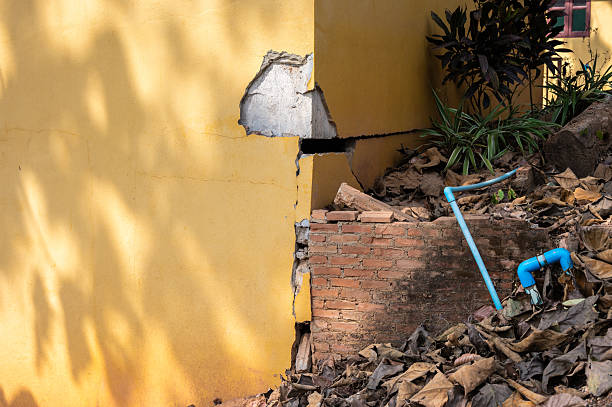
Water damaged drywall does not always look ruined at first. It may just show a faint stain or a small bubble in the paint. Behind that surface, the gypsum core and paper facing can soften, swell, and start growing mold.
The good news is that some wet drywall can be dried and saved. The key is knowing which is which, and acting within a day or two. If a leak has soaked your walls or ceilings, PuroClean of Bloomington offers 24/7 water damage restoration.
This guide covers six signs that water damaged drywall needs to come out. It also explains how to dry it, when to call a pro, and how to repaint safely.
Quick answer: Drywall can often be dried in place if it is not swollen and the seams are intact. Replace it if it is soft, sagging, crumbling, moldy, or soaked by sewage or floodwater. Start drying within 24 to 48 hours to lower the risk of mold.
How Drywall Reacts to Water
Drywall is a gypsum core wrapped in paper. Gypsum absorbs water quickly, and the paper feeds mold when it stays damp. That is why speed matters so much.
The U.S. Environmental Protection Agency says wallboard with no obvious swelling and intact seams may be dried in place. If not, it should be removed and replaced. The EPA also recommends ventilating the wall cavity when possible.
The EPA’s mold cleanup guide adds that water-damaged areas should be dried within 24 to 48 hours. Porous materials that turn moldy may need to be thrown away. Water damaged drywall is one of the most common examples.
6 Signs Water Damaged Drywall Needs to Be Replaced
1. Swelling or Bowing
Drywall that bulges outward has absorbed too much water. The gypsum core has lost its shape and will not flatten again. Press a straightedge against the wall to spot a bow. Swollen water damaged drywall should be cut out and replaced.
2. Soft or Crumbling Spots
Healthy drywall feels firm. Wet gypsum turns soft and may crumble when pressed. If your thumb dents the surface, the panel has lost its strength. Soft water damaged drywall cannot hold screws, tape, or paint well.
3. A Sagging Ceiling
Ceiling drywall is heavy when wet, and gravity works against it. A sag or droop means the panel is pulling away from the joists. Keep people out from under it and place a bucket below drips. Sagging ceilings can collapse without warning.
4. Seams and Tape Pulling Apart
Water weakens the joint compound and tape between panels. You may see cracks, loose tape, or bubbles along the seams. The EPA notes that intact seams are one sign drywall can stay. Separated seams usually mean replacement.
5. Mold or a Musty Smell
Spots of black, green, or white growth mean mold has started. A musty odor can mean mold is growing on the back side, out of view. Mold on water damaged drywall usually means the affected section must come out. Painting over it will not fix the problem.
6. Sewage, Floodwater, or Days of Moisture
Drywall soaked by sewage or floodwater can hold bacteria inside the gypsum. Drywall that stayed wet for more than two days is also at high risk. In either case, water damaged drywall is safer to remove. A professional can check how far the moisture spread.
Repair or Replace?
Not every wet wall needs new drywall. Use this table as a starting guide:
| Situation | Usual answer | Why |
| Small clean-water leak, dried within 48 hours | Repair | The panel often keeps its strength |
| Light stain with firm, flat drywall | Repair | Seal the stain and repaint once dry |
| Swollen, bowed, or soft panels | Replace | The gypsum core has lost its shape |
| Sagging ceiling drywall | Replace | Wet ceilings can fall without warning |
| Visible mold growth | Replace the affected section | Porous materials hold mold |
| Sewage or floodwater contact | Professional assessment | Contamination may be inside the panel |
When in doubt, have the moisture measured. Readings show whether drywall is truly drying or still wet inside.
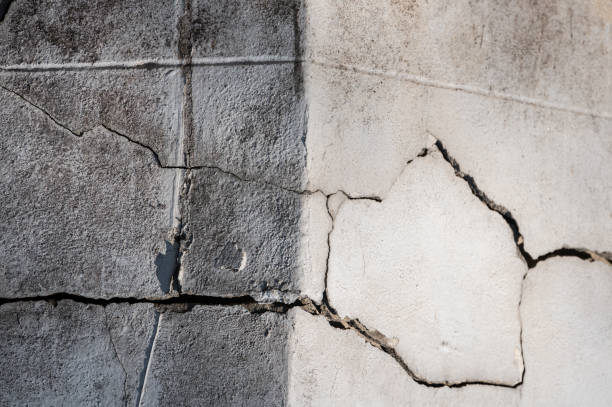
Ceilings, Showers, and Other Trouble Spots
Some areas get water damaged drywall more often than others. Check these spots after any leak:
- Ceilings below bathrooms, where toilets, tubs, and showers leak
- Walls behind showers, where failed grout or caulk lets water in
- Kitchen walls behind sinks, dishwashers, and refrigerators
- Laundry rooms, where washer hoses can burst
- Exterior walls, where pipes can freeze and crack in winter
Drywall near a shower should be moisture-resistant, but it still fails over time. Soft spots near a tub often mean water is getting behind the tile. Ceiling stains can also show up far from the actual leak. Water often runs along joists before it soaks through.
How to Dry Wet Drywall the Right Way
Fast, steady drying gives drywall its best chance. Follow these steps after you stop the leak:
- Fix the water source before you start drying.
- Remove baseboards so trapped water can escape.
- Take out wet insulation, since the EPA advises discarding it.
- Run fans and a dehumidifier around the clock.
- Open the wall cavity if moisture is trapped behind the panel.
- Check moisture levels daily until readings return to normal.
Do not use a space heater to rush the process. High heat can warp framing and spread odor. Steady airflow and low humidity work better. Keep doors closed so the dehumidifier works efficiently.
When Sewage or Floodwater Is Involved
Contaminated water changes the cleanup plan. Water damaged drywall from a sewer backup or flood needs sanitizing, not just drying. Wear gloves, boots, and a mask around it.
For sewage cleanup, our technicians clean and sanitize walls from two feet down, rather than cutting concrete or drywall. Sections that are soaked, swollen, or moldy are still removed. This approach limits rebuilding while keeping your home safe.
Common Mistakes With Wet Drywall
Well-meaning fixes can make the damage worse. Avoid these mistakes with water damaged drywall:
- Painting over a stain before the leak is fixed
- Closing up a wall cavity while it is still damp
- Leaving wet insulation in place behind the panel
- Using bleach on drywall instead of drying or replacing it
- Waiting to see if the stain spreads before calling for help
Each mistake gives moisture more time to spread. Mold can then reach framing, insulation, and nearby rooms. Fixing water damaged drywall early costs far less than treating mold later.
What Professionals Do Differently
Professional restoration focuses on hidden moisture you cannot see or feel. A typical process includes:
- Moisture meters to measure water inside drywall and framing
- Thermal imaging to find wet areas behind the surface
- Air movers and dehumidifiers sized for the space
- Targeted removal of damaged sections only
- Antimicrobial treatment on damp framing to help prevent mold
Our guide to reconstruction after water damage explains what happens once drying is done. It covers rebuilding walls, floors, and finishes.
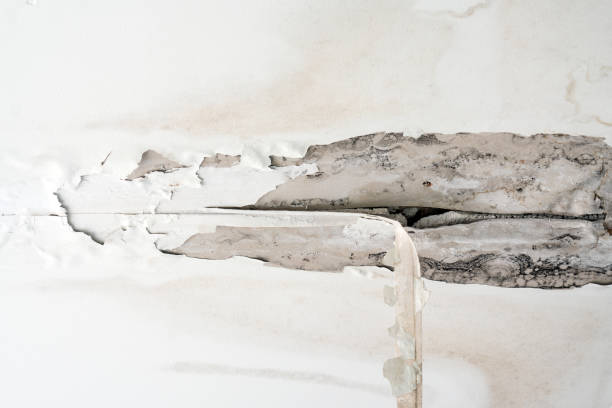
Painting and Repairing After It Dries
Patience pays off here. Paint applied to damp drywall can peel and trap moisture underneath. Confirm the wall is fully dry before any repair work starts.
- Cut out and replace damaged sections with new panels.
- Tape and finish the seams, then sand them smooth.
- Seal stains with a stain-blocking primer.
- Repaint the full wall for an even finish.
Ask your restoration team to confirm dry readings before you paint. A few extra days of drying can save a second repair.
PuroClean of Bloomington Can Help
PuroClean of Bloomington dries and restores walls and ceilings across Bloomington-Normal. We find hidden moisture, remove only what is damaged, and help keep mold from forming. Call (309) 433-0900 any time.
Frequently Asked Questions
Can water damaged drywall be saved?
Often, yes, if it is firm, flat, and dried within 24 to 48 hours. Swollen or moldy drywall should be replaced.
How long does drywall take to dry?
It can take several days with fans and dehumidifiers. Thick or layered walls can take longer.
Is water damaged drywall dangerous?
It can be if mold grows or sewage soaked it. Wet ceilings can also collapse.
How much does water damaged drywall repair cost?
It depends on the area, the water source, and any mold. Ask for a written estimate first.
Can I paint over a water stain on drywall?
Only after the leak is fixed and the drywall is dry. Use a stain-blocking primer first.
Does insurance cover water damaged drywall?
Sudden leaks are often covered. Long-term leaks may be excluded, so check your policy.
Final Thoughts on Water Damaged Drywall
Water damaged drywall gives you a short window to act. Dry it fast, watch for swelling, soft spots, and mold, and replace what cannot be saved. With rain and freezing nights in the forecast, check walls near pipes and bathrooms this week.
If a leak has soaked your walls or ceilings, call PuroClean of Bloomington at (309) 433-0900. We are ready 24/7.