


A severe storm can leave your roof with missing shingles, damaged flashing, punctures, or exposed sections that allow rainwater into your home. Even if the storm has passed, the risk of water damage may continue with every new rainfall. Emergency roof tarping helps cover damaged areas temporarily, limit additional water intrusion, and protect your property while permanent repairs are arranged.
A roof tarp is not a permanent repair, and it cannot correct every type of roof damage. However, when installed properly, emergency roof tarping can provide an important layer of protection after wind, hail, falling branches, or other storm-related events. The National Weather Service reminds homeowners that severe thunderstorms can bring damaging wind, hail, and heavy rain, which are the conditions that most often lead to a need for emergency roof tarping.
For homeowners in Bloomington, Normal, and surrounding McLean County communities, knowing what to do after roof damage can help prevent a stressful situation from becoming a larger restoration project. PuroClean of Bloomington helps property owners address storm-related water damage restoration needs, including damage that may occur when a compromised roof allows water inside.
This guide explains when emergency roof tarping is needed, how the process works, what to do before help arrives, and why prompt action matters after a storm.

What Is Emergency Roof Tarping?
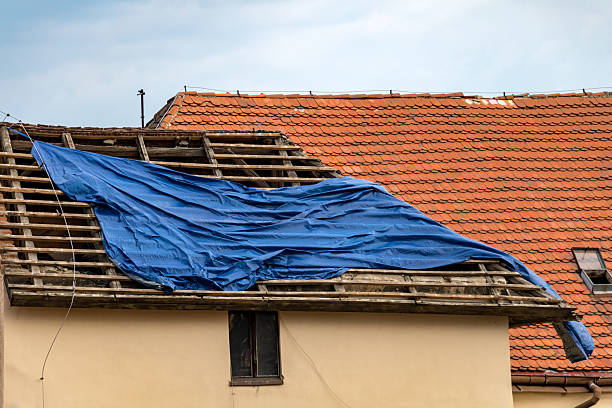
Emergency roof tarping is a temporary protective measure used to cover a damaged section of a roof and reduce the amount of rainwater entering the building.
Storms can damage roofing materials in several ways. Strong winds may lift or remove shingles, hail may damage roofing surfaces, and falling branches can puncture the roof or damage the underlying structure. Once the roof covering is compromised, rain can reach the roof deck, insulation, attic, ceilings, and walls.
A properly secured tarp helps shield the exposed area from additional precipitation until a qualified roofing professional can complete permanent repairs.
Emergency roof tarping may be appropriate after:
- High winds remove shingles or roofing panels.
- A fallen tree limb damages the roof.
- Hail causes significant roof damage.
- Storm debris punctures the roofing surface.
- Flashing around chimneys, vents, or other roof features becomes damaged.
- A roof section is exposed after structural or impact damage.
The type of damage determines whether tarping is appropriate and how it should be installed. If the roof is unstable, sagging, or severely damaged, the area may require professional assessment before any temporary covering can be safely placed.
The main goal of emergency roof tarping is to reduce further water intrusion, not to make the roof fully weatherproof or eliminate the need for repairs.
When Do You Need Emergency Roof Tarping After a Storm?
Not every roof problem requires an emergency tarp. However, if storm damage has exposed the roof deck or created an opening that allows rainwater inside, emergency roof tarping may be necessary to provide temporary protection.
1. Shingles Are Missing or Lifted
Wind can loosen, lift, or remove shingles, leaving sections of the roof vulnerable to rain. Damage may be easy to spot from the ground if shingles are scattered around the yard or bare areas are visible.
However, not all wind damage is obvious. Shingles may be lifted or loosened without falling off completely.
If you suspect wind damage, avoid climbing onto the roof to investigate. A roofing professional can assess the affected area and determine whether emergency roof tarping or another temporary measure is appropriate.
2. A Tree or Large Branch Has Fallen on the Roof
Falling trees and branches can cause significant roof damage. Even a relatively small branch may puncture shingles or damage the roof deck, while a larger tree can compromise the structure.
Do not attempt to remove a large branch or tree from the roof yourself. It may be unstable, and hidden structural damage could make the area dangerous.
Emergency services or qualified tree removal professionals may need to address the immediate hazard before roofing work and emergency roof tarping can proceed.
3. Water Is Entering Through the Ceiling
Water dripping from a ceiling after a storm may indicate a damaged roof, failed flashing, or another point of water entry.
You may also notice a spreading water stain, bubbling paint, damp drywall, or water collecting in the attic. These signs should not be ignored, even if the leak appears small.
Emergency roof tarping may help reduce additional water intrusion if the source is a damaged roof section. However, the water already inside the building must also be addressed to limit further damage.
4. Hail Has Damaged Roofing Materials
Hail can damage shingles and other roofing components, depending on the size of the hailstones, wind conditions, roofing material, and other factors.
Some damage may not be visible from the ground. If a severe hailstorm has passed through Bloomington or Normal, consider arranging a professional roof inspection if you suspect damage.
Emergency roof tarping is generally used when the damage has created an opening or immediate risk of water intrusion. Other hail damage may require a roofing assessment and planned repairs rather than an emergency tarp.
5. Another Storm Is Approaching
If your roof has already been damaged and more rain or strong winds are forecast, the need for emergency roof tarping becomes more urgent.
A tarp may help limit additional water from entering through an exposed section. However, it must be installed securely and safely. A loose tarp can create additional hazards in strong winds.
Do not climb onto a damaged roof because rain is approaching. Contact a qualified professional to assess whether emergency protection can be installed safely.
How Does Emergency Roof Tarping Work?
The exact process depends on the roof’s condition, the location of the damage, and whether the structure can be accessed safely. Professional emergency roof tarping generally involves assessing the damage, choosing appropriate materials, securing the covering, and checking that the work does not create additional hazards.
Step 1: Assess the Roof and Surrounding Hazards
Before installing a tarp, the professional should evaluate the visible damage and consider whether the roof can support safe access.
Potential hazards include unstable roofing materials, exposed electrical lines, damaged framing, standing water, slippery surfaces, and falling debris.
If a tree has struck the building or the roof appears to be sagging, the area may require additional safety measures before anyone can approach it.
Step 2: Identify the Area That Needs Protection
The damaged section may be larger than the visible opening. Wind can loosen surrounding shingles, and rainwater may travel beneath roofing materials before entering the building.
The tarp needs to cover the affected area sufficiently to help direct water away from the opening. The installation method depends on the roof design, slope, weather conditions, and type of damage.
Step 3: Select Suitable Tarping Materials
Roof tarps are designed to provide temporary coverage, but they vary in thickness, size, and durability. The material must be suitable for the conditions and large enough to cover the affected section.
The tarp should be secured using an appropriate method that accounts for wind and roof construction. Improper attachment can damage the roof further or allow the covering to come loose.
Step 4: Secure the Tarp Properly
A tarp that is simply laid over damaged shingles may shift or allow water underneath it. Professional emergency roof tarping aims to hold the covering in place and reduce the risk of wind lifting the edges.
The attachment method should avoid unnecessary damage to roofing materials and account for the roof’s condition. Not every roof can be tarped in the same way.
Step 5: Inspect the Temporary Protection
Once installed, the tarp should be checked for obvious gaps, loose edges, and other problems that could allow water to enter.
Temporary protection still needs monitoring, especially after additional storms or strong winds. A tarp should not be treated as a guarantee that the roof will remain completely dry.
Step 6: Plan Permanent Repairs
Emergency roof tarping is only one part of storm recovery. The damaged roof still needs to be evaluated and repaired by a qualified roofing contractor.
Depending on the damage, permanent work may include replacing shingles, repairing flashing, replacing damaged decking, or addressing structural components.
If water entered the building, separate mitigation and restoration work may also be necessary.

Can You Do Emergency Roof Tarping Yourself?
Although some homeowners may be tempted to attempt emergency roof tarping themselves, climbing onto a storm-damaged roof can be extremely dangerous. OSHA identifies falls from roofs as a leading cause of serious injury and death in construction work, and a storm-damaged roof adds further risk.
Wet shingles, loose debris, steep slopes, unstable roof sections, and hidden structural damage can increase the risk of a serious fall. Strong winds can also make it difficult to control a large tarp.
The safest approach is to remain on the ground and contact a qualified professional when roof damage requires temporary protection.
What You Can Do Safely From the Ground
While waiting for help, you can take several useful steps without climbing onto the roof:
- Look for visible damage from a safe location.
- Photograph missing shingles, fallen branches, and other visible damage.
- Move people and pets away from hazardous areas.
- Place buckets under small, active leaks if the surrounding area is safe.
- Move furniture and belongings away from leaking ceilings.
- Contact your insurance company to report the damage.
- Arrange for a qualified roofing professional to assess the roof and discuss emergency roof tarping.
If water is collecting near electrical fixtures, outlets, or wiring, avoid the area. Do not touch wet electrical equipment or attempt to shut off power while standing in water. Contact emergency services or a qualified electrician if an electrical hazard is present.
If the ceiling is bulging or sagging, do not stand underneath it or puncture it to release water. The material could collapse unexpectedly.
How Long Can Emergency Roof Tarping Stay in Place?
A roof tarp is intended to provide temporary protection, not to replace a permanent roof repair.
How long emergency roof tarping remains effective depends on the tarp material, the installation method, the roof’s condition, and exposure to wind, rain, sunlight, and other weather conditions.
A securely installed tarp may provide protection while repairs are arranged, but it can deteriorate, loosen, or become damaged. Severe weather can also compromise a previously secure covering.
There is no single duration that applies to every installation. The tarp should be monitored from a safe location and checked by a qualified professional when conditions warrant it.
Why Permanent Repairs Should Not Be Delayed After Emergency Roof Tarping
Leaving a damaged roof under a tarp longer than necessary can increase the chance of additional problems. If the tarp shifts or develops a tear, rainwater may enter the building again.
Ongoing water intrusion can affect insulation, drywall, wood framing, flooring, and personal belongings. Continued moisture may also create conditions that support mold growth.
Once the immediate emergency is controlled, arrange for the roof to be inspected and repaired as soon as reasonably possible. The repair timeline may depend on contractor availability, weather conditions, material availability, and the extent of the damage.
What Happens if Rain Gets Inside Before Emergency Roof Tarping?
Even if you arrange emergency roof tarping quickly, water may already have entered your home. A tarp can help reduce additional intrusion, but it does not remove moisture from the attic, ceiling, walls, or flooring.
The next steps depend on how much water entered the property and which materials were affected.
Inspect the Interior for Water Damage
Look for visible signs of moisture, such as ceiling stains, damp insulation, peeling paint, warped flooring, and wet personal belongings. Water may travel from the roof into wall cavities before appearing inside a room.
Avoid entering an attic if there is standing water, damaged wiring, unstable framing, or other hazards.
Protect Belongings Where Safe
Move furniture, electronics, and other belongings away from affected areas if it is safe to do so. Use containers to catch minor drips only when you can do so without standing under a sagging ceiling or entering a hazardous area.
Photograph damaged belongings and building materials before moving them when practical. Documentation may be useful when reporting the loss to your insurer.
Begin Appropriate Water Mitigation
If water has entered the property, prompt water mitigation can help limit further damage. Depending on the situation, this may include water extraction, moisture assessment, drying equipment, and removal of materials that cannot be properly restored.
Wet drywall, insulation, and other porous materials may require closer assessment because they can hold moisture even when the surface appears dry.
Watch for Signs of Mold
Mold may develop when moisture remains in suitable materials. A persistent musty odor, recurring discoloration, or damp building materials may indicate that further investigation is needed, and mold remediation may be appropriate.
The U.S. Environmental Protection Agency recommends drying wet materials within 24 to 48 hours when possible to help reduce the risk of mold growth. This is a prevention guideline, not a guarantee that mold will or will not develop.
If the storm caused substantial water intrusion, do not assume that emergency roof tarping has resolved the entire problem. The roof and the affected interior areas may both need attention.
Does Homeowners Insurance Cover Emergency Roof Tarping?
Coverage depends on your insurance policy, the cause of the damage, applicable exclusions, and the circumstances of the loss.
Some homeowners policies may cover storm-related roof damage and reasonable temporary measures taken to prevent additional damage. However, coverage is not guaranteed, and the treatment of emergency roof tarping costs varies by policy. Illinois homeowners can find consumer guidance from the Illinois Department of Insurance.
Contact your insurer promptly and ask what documentation is required. Keep copies of invoices, photographs, estimates, and communications related to the damage.
Document the Damage Before and After Emergency Roof Tarping
If it is safe to do so, photograph or record:
- Visible roof damage from the ground.
- Fallen branches or storm debris.
- Interior ceiling stains and water intrusion.
- Damaged furniture or personal belongings.
- The temporary tarp after installation.
- Any additional damage discovered during the cleanup.
Do not delay urgent safety measures just to collect photographs. Protecting people and preventing additional damage should come first.
Keep Receipts and Work Records
Save invoices for emergency services, tarping, water mitigation, and repairs. Ask the contractors to provide a clear description of the work performed.
Your insurer may need to inspect the damage or request additional information. Keep damaged materials or items available for inspection when practical and safe, unless they pose a health or safety hazard.
Understand the Difference Between Temporary Protection and Permanent Repairs
Emergency roof tarping is designed to reduce additional damage. Permanent roofing work addresses the underlying roof failure.
Your policy may treat these costs differently. Ask your insurer how temporary repairs should be documented and whether approval is needed before non-emergency work begins.
When possible, communicate with your insurer before committing to major permanent repairs. However, do not leave an active opening unprotected while waiting for a routine claim decision if immediate action is needed to prevent further damage.
Common Mistakes to Avoid After Storm-Related Roof Damage
The decisions you make after a storm can affect both the safety of your household and the extent of the damage.
Avoid these common mistakes when dealing with a damaged roof.
Waiting Until the Next Rainfall to Arrange Emergency Roof Tarping
A roof opening may appear harmless during dry weather. However, the next storm can push water into insulation, ceilings, and wall cavities.
If you suspect the roof has been compromised, arrange a professional assessment promptly rather than waiting for a leak to appear indoors.
Climbing Onto the Roof Without Proper Training
A damaged roof may have loose materials, unstable sections, and slippery surfaces. Attempting a DIY tarp installation can lead to serious injury.
Stay off the roof and let qualified professionals determine whether it can be accessed safely.
Assuming the Tarp Is a Permanent Fix
A tarp can reduce water intrusion, but it does not repair missing shingles, damaged flashing, or compromised roof decking.
Arrange permanent repairs as soon as practical and check the temporary covering from a safe location after severe weather.
Ignoring Interior Water Damage
Once the roof has been covered, it may be tempting to focus only on the exterior. However, water that has already entered the property may continue affecting building materials.
Inspect the interior safely, document the damage, and arrange appropriate mitigation if materials have become wet.
Painting Over Water Stains Too Soon
A water stain may remain visible after the leak has stopped. Painting over it before confirming that the area is dry and the source is repaired can hide an ongoing problem.
Allow affected materials to be assessed and dried properly before completing cosmetic repairs.
Hiring Someone Without Clear Documentation
After major storms, property owners may receive unsolicited offers for emergency roof tarping or other roof work. Before hiring a contractor, ask for identification, written documentation of the proposed work, and clear pricing.
Be cautious about pressure to sign a broad contract immediately or pay the entire cost upfront. Verify the contractor’s qualifications and check your insurer’s requirements where relevant.
How PuroClean of Bloomington Helps After Emergency Roof Tarping
Storm-related roof damage can quickly turn into an interior water damage problem. Even when emergency roof tarping reduces further rainwater intrusion, the water that entered before the covering was installed may still affect ceilings, walls, insulation, flooring, and personal belongings.
PuroClean of Bloomington helps homeowners and businesses in Bloomington, Normal, and surrounding McLean County communities address storm-related water damage and restoration needs. Learn more about our Bloomington team or explore our storm damage restoration services.
Depending on the situation, the restoration process may involve:
- Assessing visible interior water damage.
- Identifying affected materials and moisture concerns.
- Extracting standing water when necessary.
- Setting up appropriate drying equipment.
- Monitoring moisture levels during the drying process.
- Determining whether damaged materials need to be removed.
- Coordinating necessary restoration and reconstruction work.
Roof tarping and permanent roofing repairs may require a qualified roofing contractor. When water has entered your home, it is also important to address the interior damage rather than focusing exclusively on the roof.
Our team can help you understand the water damage restoration process and determine what steps may be appropriate for the conditions at your property.
If a storm has damaged your roof and rainwater has entered your home or business, do not wait for the damage to spread. Contact PuroClean of Bloomington at (309) 433-0900 for help with storm-related water damage and restoration concerns. The team is available 24/7 for restoration emergencies.
FAQs About Emergency Roof Tarping
1. What is emergency roof tarping?
Emergency roof tarping is a temporary measure used to cover a damaged section of a roof and reduce additional water intrusion. It may be needed after wind damage, hail, falling branches, or other storm-related incidents. A tarp does not replace permanent roof repairs.
2. Should I do emergency roof tarping myself after a storm?
It is generally safer to have a qualified professional handle emergency roof tarping. Storm-damaged roofs may be unstable, slippery, or structurally compromised. You can document visible damage from the ground and protect belongings indoors if it is safe to do so.
3. How long does emergency roof tarping last?
The duration depends on the tarp’s quality, how it was secured, the condition of the roof, and exposure to weather. A tarp may provide temporary protection while repairs are arranged, but wind and rain can loosen or damage it. Arrange permanent repairs as soon as reasonably possible.
4. Will homeowners insurance pay for emergency roof tarping?
Your policy may cover temporary protective measures after a covered storm event, but coverage depends on the policy and circumstances. Contact your insurer promptly, document the damage, and keep receipts and invoices for the work performed.
5. What should I do if my roof leaks after a storm?
Keep away from sagging ceilings, electrical hazards, and unsafe areas. Photograph the damage from a safe location, move belongings if possible, and contact a qualified roofing professional to assess the roof and discuss emergency roof tarping. If water has entered the property, arrange appropriate water mitigation to limit further damage.
Final Thoughts: Protect Your Home With Emergency Roof Tarping After Storm Damage
Emergency roof tarping can help limit additional water intrusion after a storm damages your roof. But the tarp is only a temporary measure. The roof still needs appropriate repairs, and any water that entered the building must be addressed to help prevent further damage.
Act promptly, prioritize safety, document the damage, and work with qualified professionals to determine the right next steps. A quick response can help reduce the impact of storm damage and make the recovery process more manageable.
If your property in Bloomington, Normal, or nearby communities has experienced storm-related water damage, contact PuroClean of Bloomington at (309) 433-0900 for restoration assistance. The team is available 24/7 for emergencies involving water damage.