


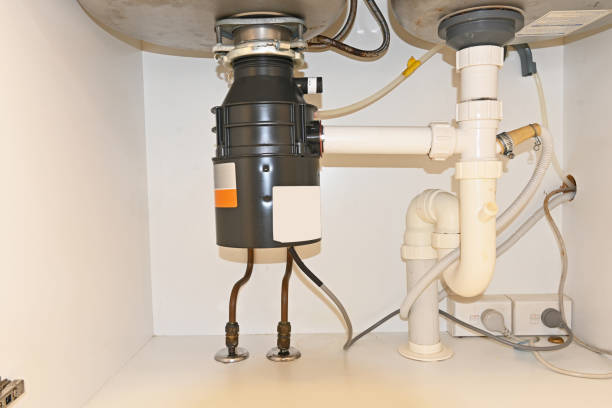
A garbage disposal leaking under the sink is easy to miss until the cabinet floor turns soft. Thanksgiving week makes it more likely. Peels, grease, and extra dishes push the unit and its seals harder than any other week of the year. Many plumbers say the day after Thanksgiving is one of their busiest days.
The good news is that the leak location usually tells you the cause. A dry paper towel and a flashlight are often all you need to find it. Sometimes water has already soaked the cabinet, subfloor, or ceiling below. Then professional water damage restoration can dry it before mold starts.
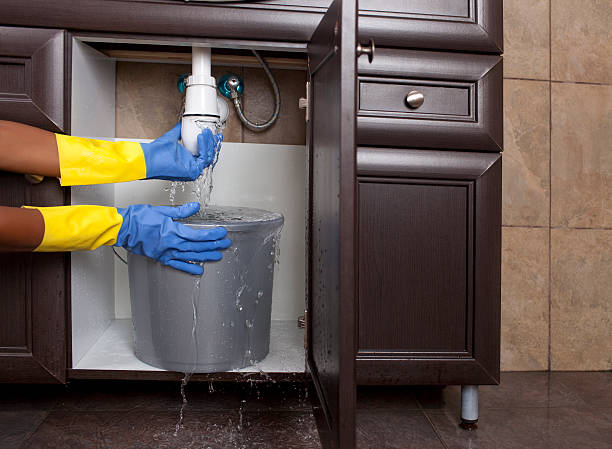
Quick Answer: Why Is My Garbage Disposal Leaking?
Most leaks come from one of five places. Check the sink flange, dishwasher hose, drain pipe, reset button, and bottom of the unit.
Top and side leaks are often simple fixes. A garbage disposal leaking from the bottom or reset button usually has failed internal seals. That unit usually needs replacing.
First, Make It Safe
Water and electricity share the space under your sink. Before you look for the leak, follow these steps:
- Turn off the power. Unplug the disposal or switch off its breaker.
- Never put your hand inside. Use tongs or a flashlight to look into the chamber.
- Clear the cabinet. Remove cleaners, sponges, and trash bags.
- Dry everything. Wipe the unit, pipes, and cabinet floor with towels.
Next, put a few drops of food coloring into a sink of water. Pull the stopper and watch where the colored water appears. This trick makes a slow garbage disposal leaking problem much easier to trace.
The 5 Spots to Check
Each spot points to a different cause and fix. Use this table to match the wet spot with its likely cause:
| Where the water appears | Likely cause | Usual fix |
| Top, where the sink meets the unit | Worn plumber’s putty or loose mounting bolts | Tighten bolts or reseal the flange |
| Side, at the dishwasher hose | Loose clamp or cracked hose | Tighten or replace the clamp or hose |
| Side, at the drain pipe | Worn gasket or loose bolts | Replace gasket and tighten |
| Reset button | Failed internal seal | Replace the disposal |
| Bottom of the unit | Cracked housing or corroded seals | Replace the disposal |
Spot 1: Garbage Disposal Leaking From the Top
The sink flange connects the disposal to the drain opening. It is sealed with plumber’s putty and held by mounting bolts. Over time, vibration loosens the bolts and the putty dries out.
You may see water drip down the outside of the unit after you run the sink. Tightening the mounting ring often stops it. If not, the flange needs to be removed and resealed with fresh putty.
Spot 2: The Dishwasher Hose Connection
Many disposals have a side inlet for the dishwasher drain hose. A loose clamp or a cracked hose lets water escape every time the dishwasher drains. That is why some people only notice a garbage disposal leaking when the dishwasher runs.
Tighten the hose clamp with a screwdriver. If the hose is brittle or split, replace it. Run a full dishwasher cycle afterward and check again.
Spot 3: The Drain Pipe
The drain pipe connects the side of the disposal to the sink trap. A rubber gasket seals this joint, and two bolts hold it in place. A worn gasket can drip slowly for weeks without anyone noticing.
Tighten the bolts first. If the drip continues, replace the gasket. Check the trap below too, since slip nuts there can loosen as well.
Spot 4: The Reset Button
Water near the reset button is a bad sign. It usually means seals inside the unit have worn out. Water is reaching the motor area, which creates an electrical risk.
There is no simple repair for this. Stop using the unit and keep it unplugged. Plan to replace the garbage disposal leaking from this spot.
Spot 5: The Bottom of the Unit
A garbage disposal leaking from the bottom often has a cracked housing or failed seals. Age is a common cause, since most units last about 8 to 15 years. Hard objects and corrosion can also crack the chamber.
Bottom leaks are not worth patching. Replacement is safer and often costs less than repeated repairs. Check the cabinet and subfloor for hidden water before you install the new unit.
Why Small Leaks Turn Into Big Damage
A slow drip under the sink rarely stays small. Particleboard cabinets swell and crumble when they stay wet. Water can seep behind the cabinet into drywall and down into subfloors.
According to the U.S. EPA WaterSense program, household leaks can waste nearly 10,000 gallons of water a year in the average home. Water that does not go down the drain often goes into your structure.
The Insurance Information Institute reports a striking number. About one in 60 insured homes has a water damage or freezing claim each year. A garbage disposal leaking slowly is one easy way to become part of that number.
A garbage disposal leaking for a long time leaves clues. Watch for these signs of hidden damage:
- Swollen or peeling cabinet floors
- A musty smell when you open the sink cabinet
- Soft or stained flooring in front of the sink
- Water stains on the ceiling below the kitchen
- Dark spots or fuzz on the back cabinet wall
Kitchen leaks are only one source of trouble. Our guide to signs of hidden water damage explains where else leaks like to hide.
Repair or Replace? A Simple Rule
Many leaks are cheap to fix, but some are not worth the effort. Use the leak location and the unit’s age to decide.
- Repair: Leaks at the flange, dishwasher hose, or drain pipe on a newer unit.
- Replace: Leaks at the reset button or bottom, or any unit older than about 10 years.
- Replace: A unit that leaks, hums, and jams often at the same time.
A new unit is also a good chance to inspect the cabinet floor. Dry and repair any damaged wood before you install it. A garbage disposal leaking onto a rotten base will only make the problem worse.
A Monthly Under-Sink Check
Most leaks start small, so regular checks catch them early. Once a month, empty the sink cabinet and look closely with a flashlight. Run water and the disposal for a minute, then wipe each joint with a dry paper towel.
Look for drips, rust, white mineral crust, or stains on the cabinet floor. Press on the cabinet base to feel for soft spots. These quick checks take five minutes and can prevent a garbage disposal leaking for months unnoticed.
Thanksgiving Tips to Protect Your Disposal
Holiday cooking is hard on disposals and drain lines. These habits help prevent a garbage disposal leaking or clogging when the house is full:
- Keep grease out. Pour cooled grease into a can and throw it away.
- Skip the tough scraps. Potato peels, bones, and celery strings can jam the blades.
- Avoid expanding foods. Rice, pasta, and stuffing swell in pipes.
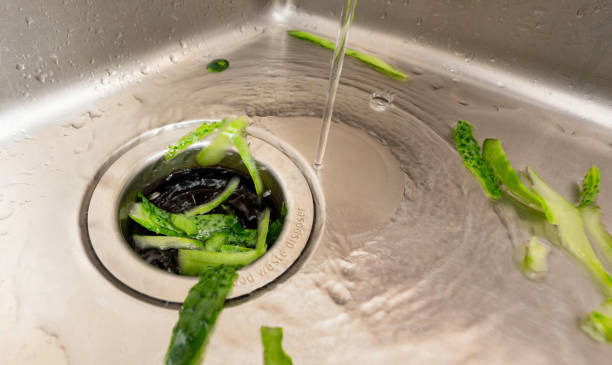
- Run cold water. Let it run before, during, and after grinding.
- Feed it slowly. Add small amounts at a time, not a whole plate.
- Scrape plates into the trash. Your disposal is not a garbage can.
Grease is the biggest problem. It cools and hardens inside pipes, even when you run hot water after it. That buildup can cause backups that push water out of every weak joint.
When to Call a Professional
Call a plumber if the leak is coming from the reset button or the bottom of the unit. Call one too if you are not comfortable working near electrical connections.
Call a restoration company if water has reached the subfloor, walls, or ceiling below. A garbage disposal leaking for weeks can leave moisture you cannot see. PuroClean of Bloomington uses moisture meters and thermal cameras to find it. Then we dry it fully to help prevent mold.
Frequently Asked Questions
Is it safe to use a garbage disposal leaking water?
It is not safe if water is near the reset button, motor, or cord. Turn off the power and stop using it. Small leaks at the drain pipe can wait for a quick repair, but fix them soon.
Can a garbage disposal leaking from the bottom be fixed?
Usually not. Bottom leaks often mean cracked housing or failed internal seals. Replacing the unit is the safer choice.
Why is my garbage disposal leaking only when the dishwasher runs?
The dishwasher hose connection is the likely cause. Check the clamp and the hose for cracks. Tighten or replace them as needed.
How long does a garbage disposal last?
Most last about 8 to 15 years, depending on use and care. Frequent leaks, loud grinding, and constant jams are signs of age.
Final Thoughts
A garbage disposal leaking under the sink is a small problem with big potential. Find the wet spot, match it to its cause, and act quickly. Protect the unit during holiday cooking, and check the cabinet often.
If a leak has soaked your cabinets, floors, or ceilings, call PuroClean of Bloomington at (309) 433-0900. We are ready 24/7.