


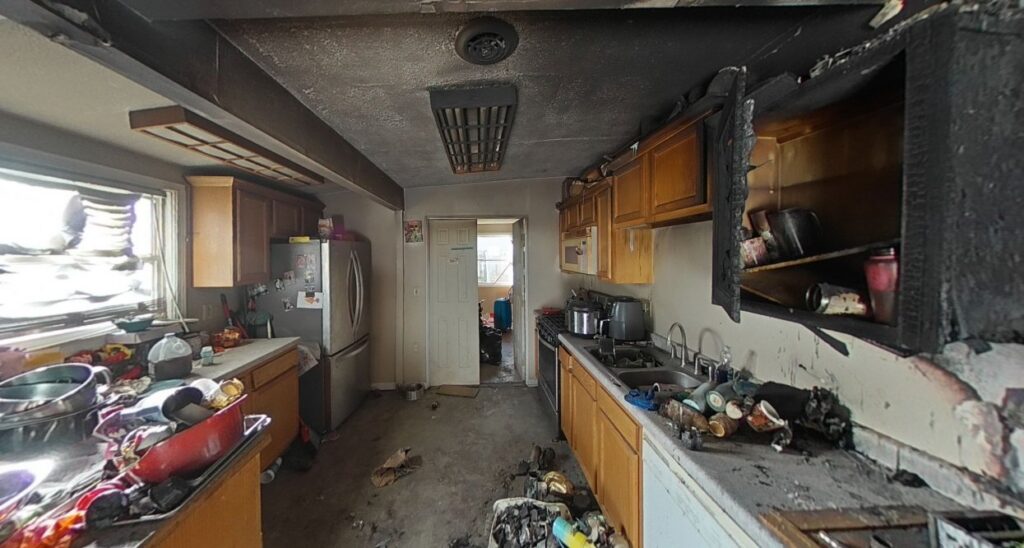
You put out the fire, you filed the claim, and now you think the hard part is over. But many property managers in Bloomington, IL discover that the hidden costs of fire damage keep surfacing for months after the visible destruction is cleaned up. At PuroClean of Bloomington, we have seen firsthand how unprepared property managers get blindsided by expenses they never budgeted for. This article covers the causes, the overlooked financial traps, and exactly when to call a professional restoration team.
Table of Contents
Why the True Cost of Fire Damage Goes Far Beyond the Obvious
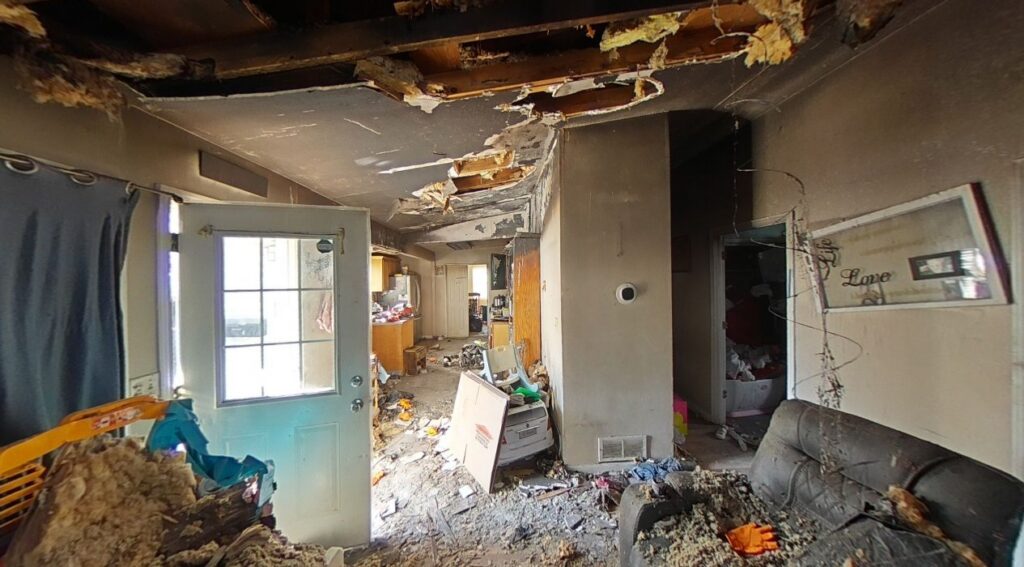
Most property managers look at charred walls and ruined furniture and think they understand the scope of the loss. The problem is that fire damage reaches into structural systems, air quality, and liability areas that are never visible on the surface.
- Smoke infiltrates HVAC systems, wall cavities, and insulation long after the flames are extinguished, creating ongoing odor and contamination issues.
- Water damage from firefighting efforts adds a second layer of destruction that often gets left out of the initial damage estimate.
- Hidden structural weakening can exist in load-bearing elements even when the surface appears intact.
Understanding these invisible layers is the first step to avoiding a restoration budget that spirals out of control.
Smoke and Soot Damage: The Hidden Cost No One Prices Correctly
Smoke and soot are acidic, corrosive, and relentless. Within hours of a fire, soot begins etching into surfaces, wiring, and mechanical systems. Property managers who only price visible fire damage routinely underestimate restoration costs by 30 to 50 percent, according to general industry knowledge in the restoration field.
- Soot deposits inside electrical panels and outlets create fire hazards that require full inspection and often full replacement of components.
- Smoke odor that is not professionally neutralized will resurface during humid months, making units unrentable until the problem is fully addressed.
- Discolored walls and ceilings from smoke penetration cannot be covered with standard paint without proper cleaning and sealing first.
The hidden costs of fire damage tied to smoke and soot alone can match or exceed the cost of repairing the fire-damaged area itself.
People also read: Is Soot Dangerous? 7 Hidden Health Risks You Shouldn’t Ignore
Water Damage Left Behind by Firefighting Efforts
After a fire, water is everywhere. Firefighters use thousands of gallons to suppress flames, and that water soaks into floors, subfloors, drywall, and insulation. Property managers who focus solely on fire restoration often miss what happens next.
- Standing water and saturated building materials that are not dried within 24 to 48 hours create ideal conditions for mold growth.
- Warped hardwood floors, buckled drywall, and swollen door frames are common secondary losses that appear days after the fire event.
- If mold develops from unaddressed moisture, your restoration scope and costs expand significantly. (Link opportunity: mold removal services)
Water damage restoration is not optional after a fire. It is a required part of any complete restoration plan, and skipping it is one of the most expensive mistakes a property manager can make.
You should check this out: Water Damage After a Fire: Critical Things Most Bloomington Homeowners Dangerously Overlook in the First 48 Hours
Structural Integrity Issues That Are Not Visible to the Eye
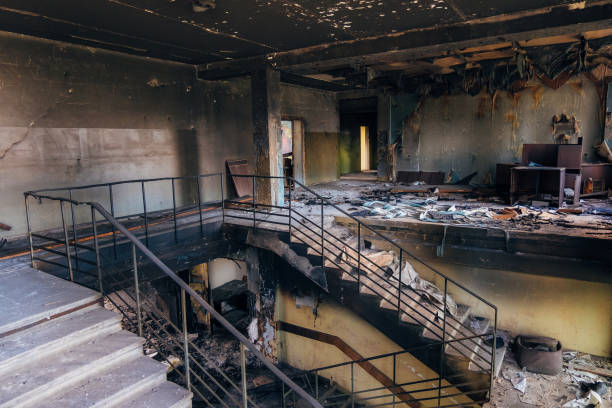
A building can look stable and still be structurally compromised after a fire. Heat weakens steel, compromises concrete, and degrades the adhesives and fasteners holding assemblies together. Many of these issues do not show up without a professional inspection.
- Roof trusses and attic framing that appear intact may have lost significant load-bearing capacity due to heat exposure.
- Concrete block and masonry walls can crack internally from rapid temperature changes during firefighting.
- Engineered lumber, which is common in modern construction, fails at lower temperatures than traditional solid wood and may need full replacement even when it looks intact.
If structural problems are not caught early, repairs become exponentially more expensive, and building occupancy permits can be delayed for weeks or months.
Regulatory and Code Compliance Costs Property Managers Miss
When a fire causes significant damage, the restoration work is not simply putting things back the way they were. Repairs must meet current building codes, which may have changed since the property was originally constructed. This is one of the most overlooked hidden costs of fire damage in the property management industry.
- Older buildings may require electrical upgrades, updated egress systems, or sprinkler installations that were not part of the original structure.
- Local permitting in Bloomington, IL requires inspections at multiple stages, each of which can delay the project timeline and carry fees.
- Failing to bring the property to current code can result in fines, occupancy denials, or future liability exposure.
If you are already dealing with fire damage and have not yet consulted a licensed restoration contractor about compliance requirements, call PuroClean of Bloomington at (309) 433-0900 for a fast, knowledgeable response.
HVAC System Contamination After a Fire
Your heating and cooling system becomes a delivery mechanism for smoke, soot, and odor contamination after a fire. Air circulates through the entire building, distributing particles into every room, not just the areas that burned. This is a critical and commonly underpriced line item in fire damage restoration.
- Soot-coated ductwork requires professional cleaning to prevent re-contamination of the building after restoration is complete.
- Air handling units may have internal components coated with smoke residue that reduces efficiency and creates odor problems.
- In multi-unit buildings, a single contaminated HVAC system can spread smoke odor to units far from the fire origin, expanding your liability.
Replacing or professionally cleaning an HVAC system after a fire is not optional, and ignoring it will create tenant complaints and potential legal disputes down the road.
Contents, Inventory, and Personal Property Losses

Property managers who manage furnished units, commercial spaces, or short-term rentals face a layer of hidden costs of fire damage tied to contents that are rarely fully covered by insurance. Even a small fire can cause extensive contents losses that go beyond what a standard property policy covers.
- Smoke damage can render electronics, appliances, and furniture completely unusable even when they appear physically intact.
- Odor contamination in fabrics, bedding, and soft furnishings is nearly impossible to reverse without professional treatment.
- Tenant personal property claims can create legal disputes if property managers did not have proper lease language and renter’s insurance requirements in place before the fire.
Documenting every item before cleanup begins is critical. Restoration professionals can help with this process, and PuroClean of Bloomington provides detailed assessments that support your insurance claims.
Business Interruption and Lost Rental Income
For property managers, the building being offline during restoration is not just an inconvenience. It is a direct financial loss that accumulates daily. Many property managers underestimate how long a full fire damage restoration actually takes when all the hidden layers are addressed properly.
- A fire that looks minor on the surface can take 6 to 12 weeks to fully restore when smoke, water, structural, and code compliance issues are all factored in.
- Lost rental income during that period is recoverable through business interruption insurance only if the policy was properly structured before the fire.
- Delayed restoration timelines, caused by skipping steps or hiring unqualified contractors, extend your income loss period significantly.
Hiring a certified restoration company with experience in fire damage reduces total downtime, which directly reduces your lost income exposure.
When to Call a Professional Fire Damage Restoration Company
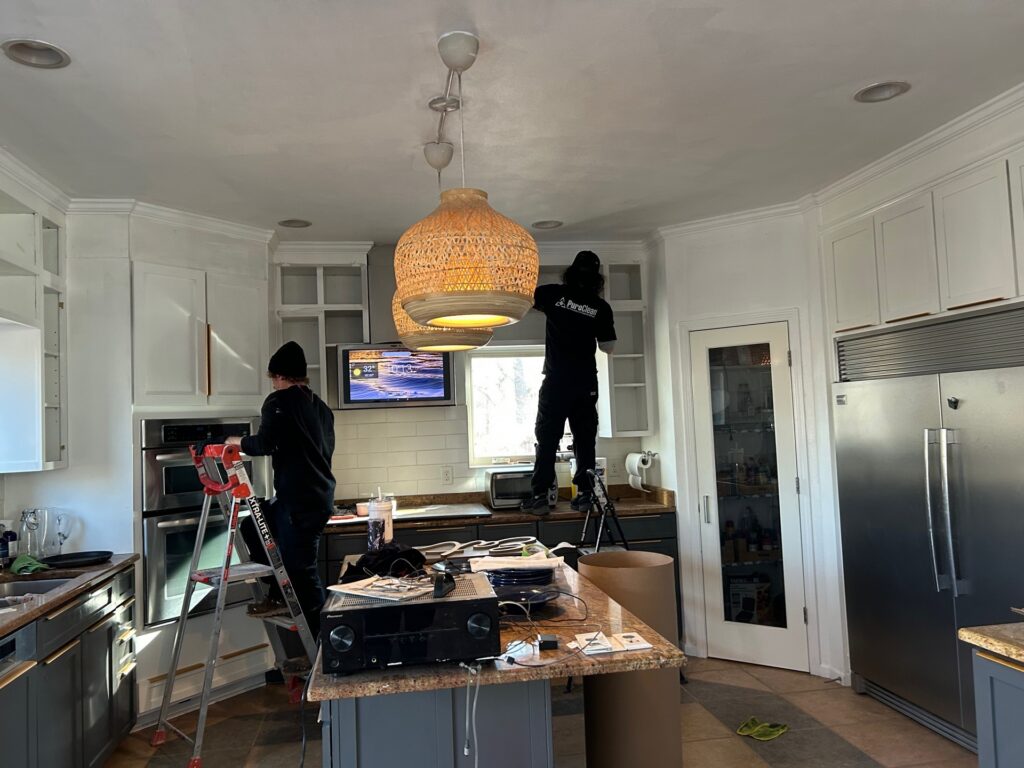
Some property managers try to manage fire damage restoration by coordinating separate contractors for each trade. This approach almost always leads to gaps, miscommunication, and cost overruns. A certified restoration company handles the full scope of work under one roof.
- Professional restoration teams assess all damage types at once, including fire, smoke, soot, water, and structural issues, so nothing is missed.
- Certified teams follow IICRC standards for fire and smoke damage restoration, which protects you from liability and supports your insurance claim.
- A single restoration partner coordinates sequencing so that each phase of work is completed in the correct order, preventing rework.
At PuroClean of Bloomington, our team responds quickly to fire damage calls across Bloomington, IL and surrounding areas. We assess, document, and restore your property with the full scope of damage in view from day one.
Prevention and preparedness reduce both the frequency of fire damage and the financial impact when it does occur. Property managers who implement these practices see significantly better outcomes after a fire event.
- Conduct annual fire safety inspections of all electrical systems, smoke detectors, and fire suppression equipment across your managed properties.
- Maintain proper insurance coverage that includes business interruption, code upgrade coverage, and contents replacement, not just structural damage.
- Have a pre-established relationship with a certified restoration company before a fire occurs, so response time is immediate when you need it most.
- Document your property with current photos and an inventory of systems and contents to support any future insurance claims accurately.
The hidden costs of fire damage are largely avoidable or minimized when property managers take proactive steps before disaster strikes.
FAQs About Hidden Costs of Fire Damage
What are the most commonly overlooked fire damage costs for property managers? The most commonly overlooked costs include HVAC system decontamination, water damage from firefighting, code compliance upgrades, smoke odor remediation, and lost rental income during restoration. These items are rarely included in a first-pass damage estimate.
How long does fire damage restoration take for a rental property? Restoration timelines vary based on damage severity, but a fire that caused smoke, water, and structural damage can take anywhere from 4 to 12 weeks to fully restore. Delays caused by skipping steps or using unqualified contractors can extend that timeline significantly.
Does standard property insurance cover all fire damage restoration costs? Standard property insurance often covers direct physical damage but may not fully cover code upgrade requirements, business interruption losses, or tenant contents claims. Property managers should review their policies with an insurance advisor to identify gaps before a loss occurs.
Can smoke damage make a property uninhabitable even without visible fire damage? Yes. Smoke infiltration into HVAC systems, wall cavities, and insulation can create odor and air quality conditions that make a property unlivable. Professional smoke remediation is required to restore safe indoor air quality after a fire.
Why should property managers hire a certified restoration company instead of separate contractors? Certified restoration companies assess all damage types simultaneously, coordinate each phase of work in the correct sequence, and provide documentation that supports insurance claims. Using separate contractors increases the risk of missed damage, miscommunication, and rework.
Final Thoughts: Protect Your Investment from the Hidden Costs of Fire Damage
The visible destruction from a fire is just the beginning. Smoke contamination, water intrusion, structural compromise, code compliance requirements, and lost rental income create a second wave of financial exposure that catches many property managers completely off guard. Understanding these layers before a fire occurs, and responding with a certified professional immediately after, is the only reliable way to control the true cost of restoration. The hidden costs of fire damage are real, but they are manageable when you have the right team in place from the start.
Call PuroClean of Bloomington for fire damage restoration and complete property recovery today at (309) 433-0900) or visit our website. Don’t let hidden damage costs ruin your investment property or your bottom line — get trusted professional help today.