 PuroClean Of Bloomington
 Hidden mold in homes is one of those sneaky problems that can quietly spread through your home without you even realizing it. This blog explores what hidden mold is, where it tends to grow, the health risks it poses, and how to spot the warning signs. We’ll also cover professional solutions and when it’s time to call in experts like PuroClean of Bloomington for help.
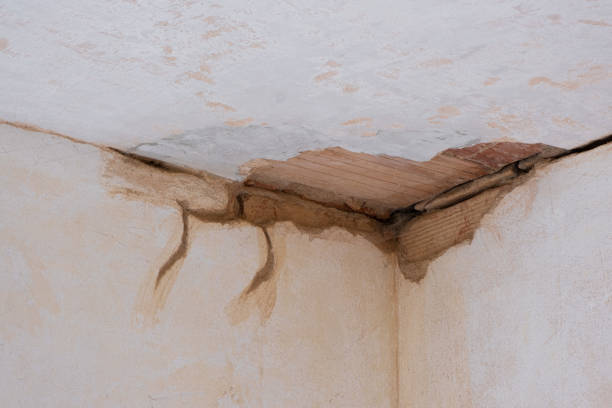
Table of Contents
What Exactly Is Hidden Mold?
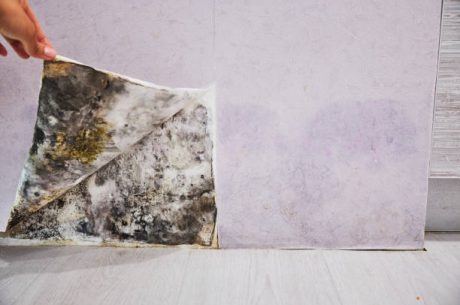
When most people think about mold, they picture black spots on a bathroom wall or fuzzy growth on spoiled food. But hidden mold is far more elusive. It grows behind walls, under floors, inside ceilings, or in HVAC systems—places you can’t easily see. Because it thrives in dark, damp environments, hidden mold often goes unnoticed until it spreads or causes health problems.
Why Hidden Mold Is a Serious Problem
Hidden mold isn’t just unpleasant—it can be dangerous. Left untreated, it can:
- Damage drywall, wood, and insulation.
- Create foul odors that linger throughout your home.
- Lower your property value.
- Trigger health problems like allergies and asthma.
Ignoring hidden mold can quickly turn a small issue into a costly repair. That’s why spotting the early signs matters.
7 Shocking Facts About Hidden Mold
1. Hidden Mold Can Spread Within 24–48 Hours
Moisture from leaks or high humidity can give mold the perfect environment to thrive. Within just a day or two, colonies can form and begin to spread.
2. It’s Not Always Black Mold
Many people associate mold with the infamous “black mold.” But hidden mold comes in a variety of colors—green, white, brown, or even orange. All can cause damage, and some may still pose health risks.
3. Hidden Mold Affects Indoor Air Quality
Even when you can’t see it, mold releases spores into the air. These spores circulate through your HVAC system, impacting the quality of the air your family breathes daily.
4. Hidden Mold Can Make You Sick
Headaches, sinus congestion, chronic coughing, and fatigue can sometimes be linked to mold exposure. In severe cases, hidden mold can worsen asthma and other respiratory conditions.
5. DIY Cleanup Isn’t Always Safe
Many homeowners try to tackle hidden mold on their own with bleach or over-the-counter products. Unfortunately, these methods often fail to kill mold at the source. Worse, disturbing mold without proper protection can release more spores.
6. Hidden Mold Loves Leaks
Roof leaks, plumbing leaks, and even tiny drips under sinks can fuel mold growth. Since mold feeds on moisture and organic material like wood or drywall, leaks are like a welcome mat for spores.
7. Professional Testing May Be Needed
Sometimes, you can’t confirm hidden mold without testing. Certified professionals use moisture meters, infrared cameras, and air sampling to detect what your eyes can’t see.
Common Places You Can Find Hidden Mold In Homes
- Behind drywall and wallpaper
- Under carpets and padding
- In attics with poor ventilation
- Inside HVAC ducts
- Around window sills
- Beneath kitchen and bathroom sinks
If your home has experienced water damage, it’s especially important to check these areas.
How to Spot the Signs of Hidden Mold In Homes
While you may not see the mold itself, there are clues you can look for:
- Musty odors that linger
- Warped walls or bubbling paint
- Unexplained allergy-like symptoms
- Condensation on windows or walls
- Water stains or discoloration
If these signs sound familiar, it’s time to take a closer look.
Why You Shouldn’t Ignore Hidden Mold In Homes
Hidden mold in homes is like an uninvited guest that doesn’t leave. The longer it stays, the more it damages your home and your health. Even if the mold itself isn’t toxic, the moisture issues that cause it often lead to structural damage. Tackling the root cause quickly prevents bigger headaches later.
Professional Solutions for Hidden Mold
At PuroClean of Bloomington, we specialize in finding and safely removing hidden mold in homes. Our process typically includes:
- Inspection & Assessment – We use advanced tools to detect moisture and mold behind walls and under flooring.
- Containment – Preventing spores from spreading to unaffected areas.
- Air Filtration – Using HEPA filters to capture airborne spores.
- Mold Removal – Safe removal of contaminated materials.
- Restoration – Repairing and restoring your home to its pre-damage condition.
FAQs About Hidden Mold
Q: How can I prevent hidden mold in the first place?
A: Keep humidity levels below 50%, fix leaks immediately, and ensure good ventilation in kitchens, bathrooms, and basements.
Q: Can I use bleach to remove hidden mold in homes?
A: Bleach may kill surface mold but rarely reaches the root of hidden mold in homes. Professional remediation ensures the problem is fully resolved.
Q: Is all mold dangerous?
A: Not all mold is toxic, but any mold can cause property damage and health problems if left unchecked.
Q: How much does professional hidden mold removal cost?
A: Costs vary depending on the size and severity of the infestation. An inspection from PuroClean of Bloomington provides a clearer estimate.
Q: How fast should I act if I suspect hidden mold in homes?
A: Immediately. The sooner you address the issue, the less damage and expense you’ll face.
Final Thoughts: Protecting Your Home from Hidden Mold
Hidden mold in homes is more common than many homeowners realize. By staying alert to the signs and acting quickly, you can prevent serious health and property damage.
If you suspect hidden mold in homes you stay in, don’t wait until it spreads.
Call PuroClean of Bloomington today at (309) 433-0900 or visit our website to schedule an inspection.
Our certified team is here to protect your home and restore your peace of mind.


 PuroClean Of Bloomington