


When water suddenly enters your home, you may not know what to do first or what happens after you call a restoration company. Professional water damage restoration in Logan County involves more than simply pumping out standing water. PuroClean of Bloomington helps homeowners respond to water damage with professional water removal, drying, cleaning, and restoration services.
1. What Happens When You First Call for Water Damage Restoration?
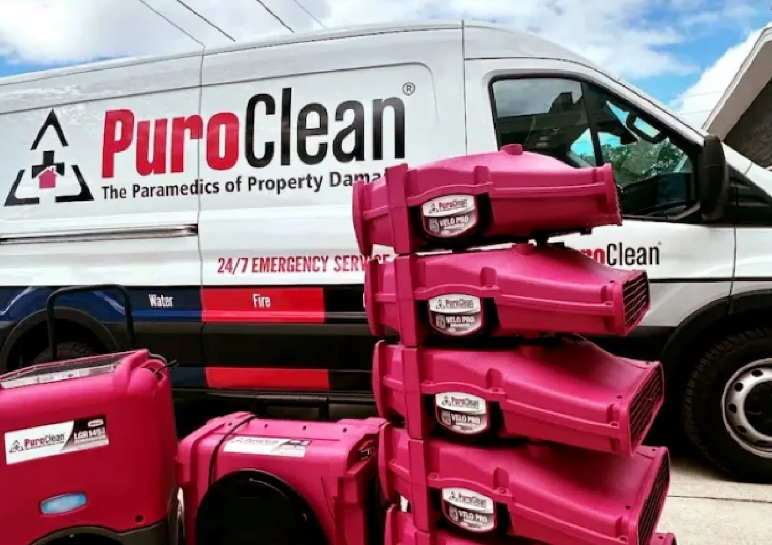
The restoration process starts with a quick response. When water is actively damaging your property, delaying cleanup can allow moisture to spread into additional materials and areas.
When you contact a professional restoration company, you’ll typically discuss what happened, where the water is located, and how extensive the damage appears to be.
During the initial conversation, be ready to explain:
- Where the water came from: Tell the team whether you’re dealing with a burst pipe, appliance leak, storm damage, sewage backup, or another source.
- How much water you see: Mention whether you have a small affected area or significant standing water.
- When the damage occurred: The length of time materials have been exposed to water can help the team understand the situation.
- Whether the water source has been stopped: If you have safely shut off a leaking pipe or appliance, let the restoration team know.
- Any safety concerns: Mention electrical hazards, contaminated water, structural concerns, or other dangers.
The sooner the restoration team understands the situation, the sooner they can determine the appropriate response.
PuroClean of Bloomington is available 24/7 for water damage emergencies, including properties in Logan County.
2. How Does a Professional Water Damage Inspection Work?
Once the restoration team arrives, the first step is understanding the extent of the damage.
What you can see may only be part of the problem. Water can move beneath flooring, behind walls, into cabinets, and through other building materials.
A professional assessment may include:
- Inspecting affected rooms: The team identifies areas that show visible water damage.
- Checking surrounding areas: Moisture may have spread beyond the location where you first noticed water.
- Finding the source: Understanding where the water came from helps determine what needs to be addressed.
- Checking building materials: Flooring, drywall, insulation, wood, and other materials may hold moisture even when the surface looks dry.
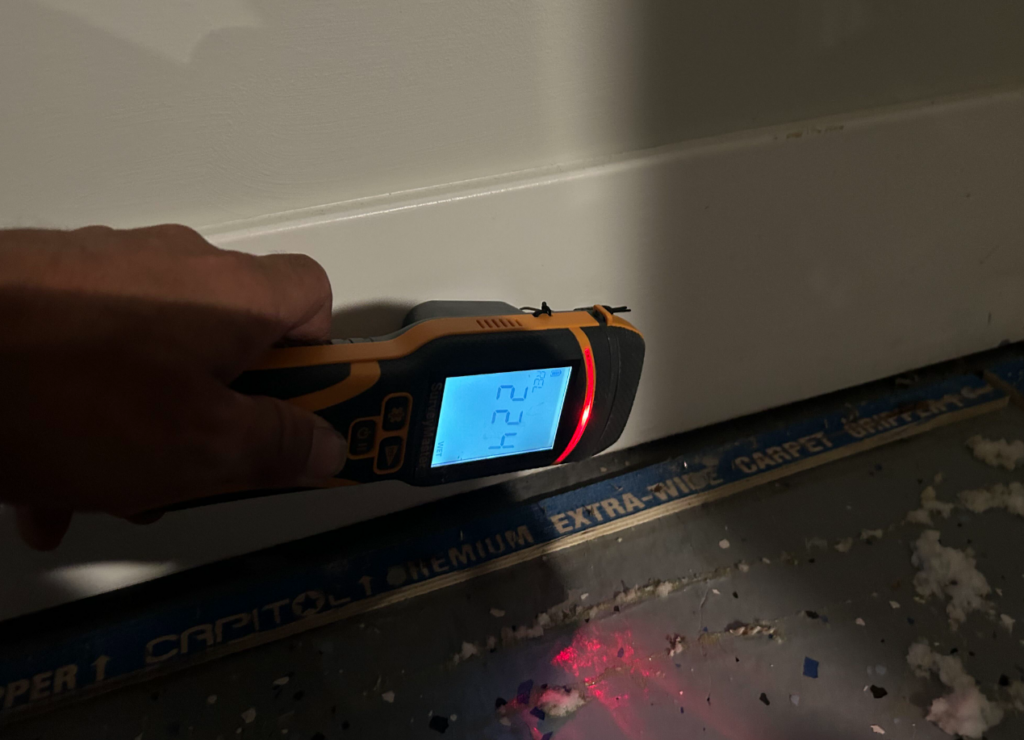
- Using moisture detection equipment: Professional equipment can help locate moisture that isn’t visible.
This inspection helps establish a plan for water removal and drying.
Why Is Moisture Detection Important?
A basement floor or carpet may look dry while moisture remains underneath.
That hidden moisture can continue affecting materials long after the visible water is gone. A professional assessment helps identify areas that need further drying instead of relying only on how a surface looks or feels.
3. How Is Standing Water Removed?
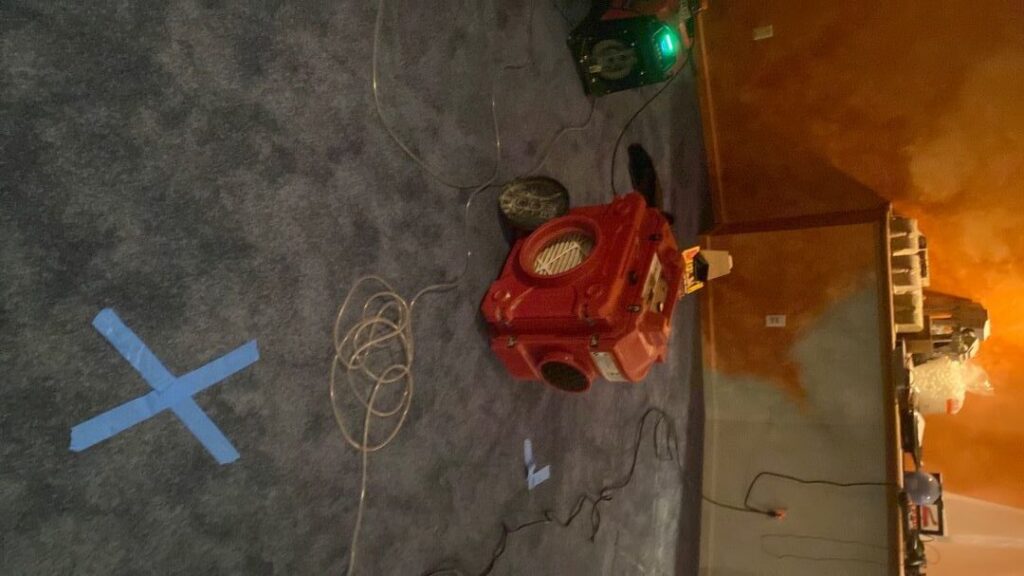
Once the affected areas have been assessed, the restoration team can begin removing water.
Water extraction is one of the most important parts of professional water damage restoration in Logan County because leaving standing water in place allows it to continue affecting surrounding materials.
Depending on the situation, restoration professionals may use specialized equipment to extract water from:
- Carpet and carpet padding.
- Hardwood or other flooring.
- Basement floors.
- Upholstered furniture.
- Other affected areas.
The amount and type of water determine the appropriate extraction approach.
What If There Is Only a Small Amount of Water?
Even a small amount of water can create problems if it has entered porous materials or hidden spaces.
If you aren’t sure how far water has traveled, professional assessment can help determine whether additional extraction and drying are necessary.
4. How Does Professional Drying Work?
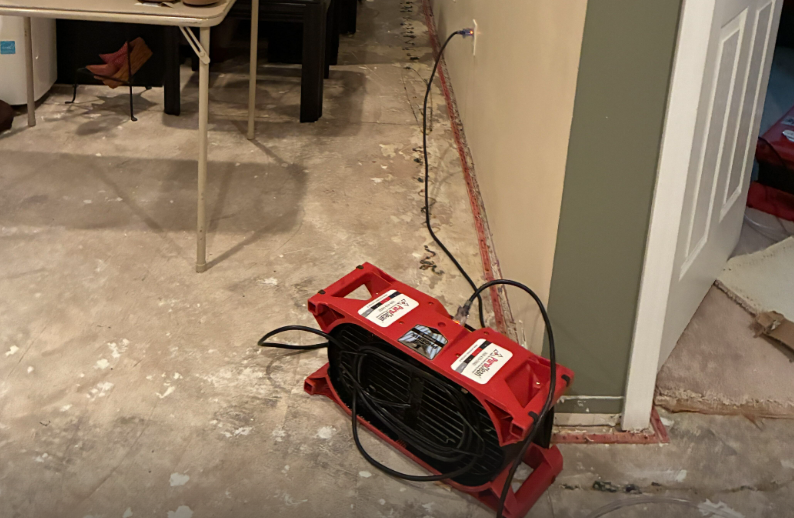
Removing standing water is only the beginning.
Materials can still contain significant amounts of moisture after visible water has been extracted. Professional drying focuses on reducing that remaining moisture.
Restoration professionals may use equipment such as:
- Air movers: These help circulate air across wet materials.
- Dehumidifiers: These help remove moisture from the surrounding air.
- Moisture meters: These help monitor moisture levels in affected materials.
- Specialized drying equipment: Different materials and situations may require different approaches.
The drying process isn’t simply about leaving fans running for a few hours.
Professionals monitor affected areas to determine whether materials are drying appropriately.
Why Can’t You Always Just Open a Window?
Opening windows or placing a household fan near a puddle may not be enough for significant water damage.
If moisture has moved into walls, flooring, insulation, or other materials, the visible surface may dry while moisture remains underneath.
Professional drying focuses on the materials affected, not just the water you can see.
You should also read: Water Extraction After Flood: 8 Critical Steps to Protect Your Home
5. What Happens to Wet Flooring, Drywall, and Other Materials?
Not every material affected by water needs to be removed.
A professional restoration assessment helps determine which materials can potentially be dried and restored and which may require removal or replacement.
The condition of the material, the amount of water involved, how long it has been wet, and the type of water can all affect the appropriate approach.
Professionals may evaluate:
- Drywall: Water can travel into drywall and surrounding areas.
- Flooring: Moisture can become trapped beneath flooring materials.
- Carpet padding: Padding can hold substantial amounts of water after a flood or leak.
- Insulation: Wet insulation may require special attention depending on the material and extent of exposure.
- Wood materials: Moisture can affect wood flooring, framing, cabinets, and other components.
The goal isn’t to remove everything simply because it became wet. The goal is to determine what can be properly restored and what cannot.
6. What Happens If the Water Is Contaminated?
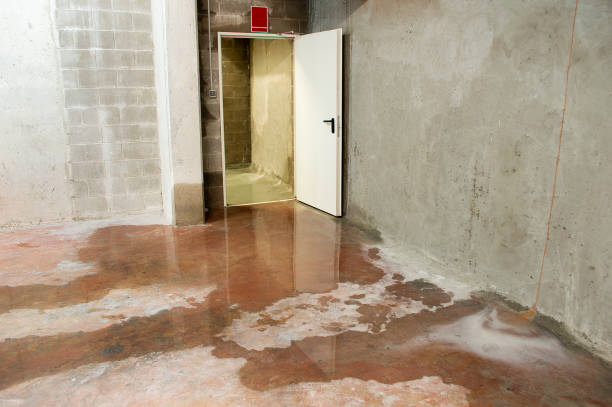
Not all water damage presents the same level of risk.
Clean water from a plumbing supply line is different from water that has been contaminated by sewage, flooding, or other sources.
If contaminated water is involved, don’t attempt to clean it yourself without understanding the potential hazards.
Professional restoration may involve additional precautions, specialized cleaning, and appropriate protective equipment.
You should seek professional help if:
- Sewage has entered your property.
- Floodwater has entered the home.
- The water source is unknown.
- Water has been standing for an extended period.
- Contaminated materials have been affected.
The type of water helps determine how the affected area should be handled and what materials may need additional treatment.
People Also Read: How to Prevent Basement Water Damage
7. How Are Odors and Moisture Problems Addressed?
Water damage can sometimes leave behind more than visible stains.
Wet materials and trapped moisture can contribute to unpleasant odors, especially when areas remain damp for an extended period.
During professional restoration, the team may address affected materials through appropriate cleaning, drying, and deodorization procedures.
This can involve:
- Identifying the source of the odor.
- Removing or treating affected materials when appropriate.
- Thoroughly drying the affected area.
- Cleaning affected surfaces.
- Monitoring the property after drying.
If a musty smell remains after a water loss, don’t simply cover it with air freshener.
The odor may be a sign that moisture remains somewhere in the property.
8. What Happens After the Property Is Dry?
Professional restoration doesn’t necessarily end when the standing water is gone.
The team may continue monitoring affected materials to make sure moisture levels have returned to appropriate conditions.
Once the drying process is complete, the next step depends on the condition of the property.
You may need:
- Cleaning of affected surfaces.
- Repair or replacement of damaged flooring.
- Drywall repairs.
- Painting.
- Reconstruction of damaged areas.
- Additional restoration work.
This is where the restoration process shifts from emergency mitigation toward returning your home to its pre-loss condition.
Why Is Professional Documentation Important?
Water damage can involve multiple rooms and materials, making it difficult to remember everything that was affected.
Documentation can help show what areas were damaged, what work was performed, and what restoration steps were taken.
If you’re filing an insurance claim, keep your own photos, videos, receipts, and related documentation and communicate with your insurance provider about what they require.
9. When Should You Call for Professional Water Damage Restoration in Logan County?
You don’t need to wait until your basement is completely flooded before calling for help.
Professional assistance can be useful whenever water has spread beyond a small, easily controlled area or entered materials that may hold hidden moisture.
Consider calling a restoration professional when:
- Water has spread across multiple rooms.
- Walls, ceilings, or flooring are wet.
- You cannot locate the source of the water.
- Your basement has standing water.
- A major appliance has released water.
- A pipe has burst.
- Storm damage has allowed water into your home.
- Sewage or contaminated water is involved.
- A musty odor remains after cleanup.
Quick action can help prevent a manageable water loss from becoming a larger restoration project.
If your home has experienced water damage, call PuroClean of Bloomington at (309) 433-0900 for a fast response.
FAQs About Professional Water Damage Restoration in Logan County
How long does professional water damage restoration take?
The timeline depends on the amount of water, affected materials, source of the damage, and drying conditions. Some smaller losses may be resolved quickly, while extensive damage can require a longer drying and reconstruction process.
What does a water damage restoration company do?
A restoration company can assess the damage, remove standing water, locate hidden moisture, dry affected materials, clean affected areas, and coordinate restoration or reconstruction when necessary.
Can I clean up water damage myself?
A small amount of clean water may be manageable in some situations. However, significant standing water, contaminated water, hidden moisture, or water affecting walls and flooring can require professional equipment and expertise.
How do professionals find hidden water damage?
Professionals can use moisture detection equipment to identify moisture levels in materials and areas that may not show visible signs of water damage. This helps determine where additional drying may be necessary.
How quickly should I call a water damage restoration company?
You should contact a professional as soon as possible when significant water enters your home. Quick action can help limit the spread of water and reduce the amount of time materials remain wet.
Final Thoughts – Get Your Home Back to Normal After Water Damage
Professional water damage restoration in Logan County involves much more than removing standing water. A professional team can assess the affected areas, extract water, locate hidden moisture, dry materials, address cleaning needs, and help restore damaged parts of your home.
If water damage has affected your home, don’t wait for the damage you can see to become damage you can’t see.
📞 Call PuroClean of Bloomington for professional water damage restoration in Logan County today at (309) 433-0900, or visit our website.
Don’t let water damage continue spreading through your home, get professional help today.